
Garage rock: origins, style, history, and enduring influence
Garage rock is a raw, guitar-driven form of mid-1960s rock that emphasized teen bands, DIY production, and direct energy. It influenced psychedelia, punk, and later garage revivals worldwide.
Garage rock is a concise, forceful strain of popular music that emerged in the early-to-mid 1960s as a grassroots variation of rock and roll. Characterized by short, punchy songs, unvarnished performances and an often aggressive or urgent vocal delivery, garage rock was largely the work of young, amateur ensembles—commonly called garage bands—who practiced in domestic spaces and community halls. The raw sound and accessible approach made it an important bridge between simple 1950s rock and the more experimental or heavier developments that followed.
Image gallery
10 Images
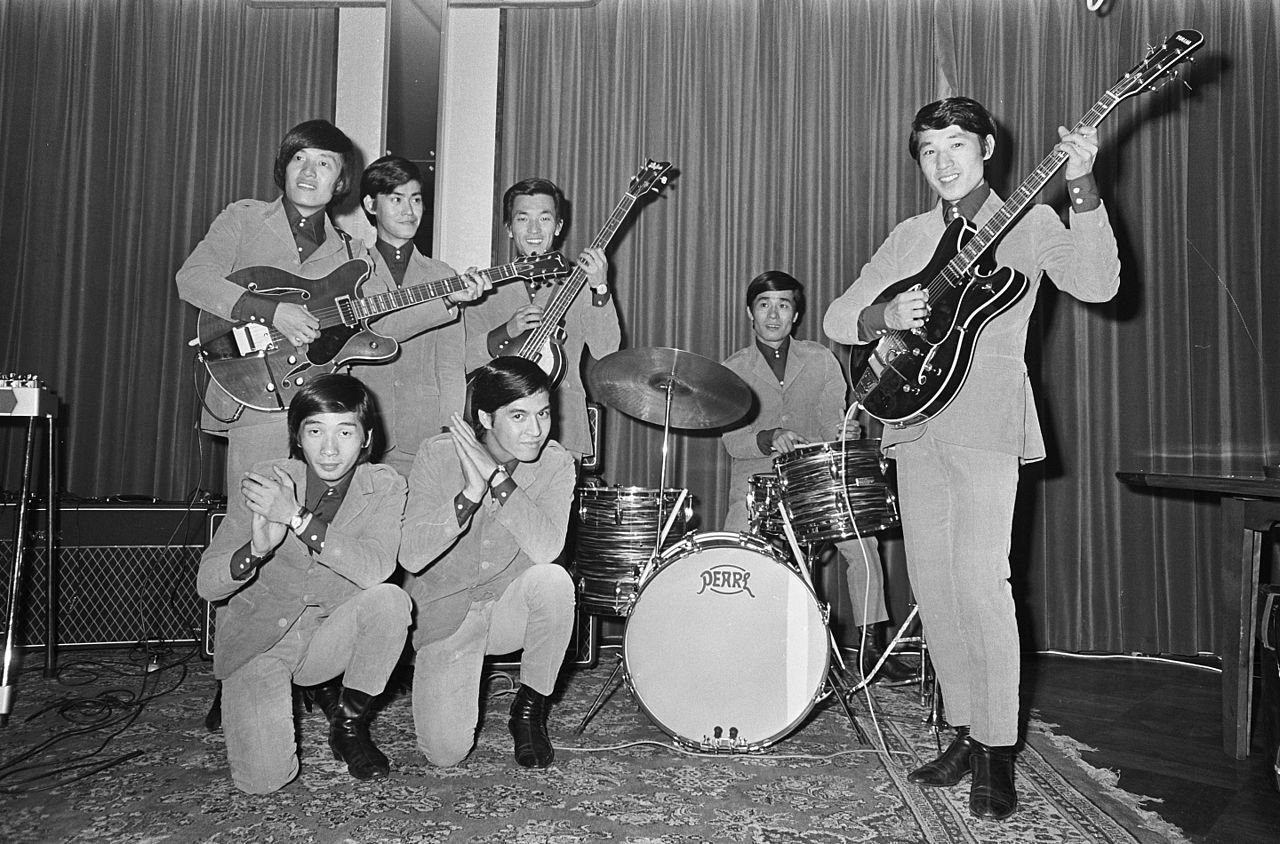


Defining characteristics
At its core, garage rock favors immediacy over polish. Typical features include a dominant electric guitar, basic rhythm-section accompaniment, straightforward lyrics, and frequent use of effects such as a fuzz pedal or distorted amplifier tone. Songs are commonly brief, built on strong hooks and repetitive riffs, and recorded quickly on modest equipment. The aesthetic celebrated spontaneity and a do-it-yourself ethic: clarity and virtuosity were secondary to attitude and presence.
- Instrumentation: guitar-led bands with bass, drums, occasional keyboards and simple vocal harmonies.
- Production: lo-fi recording, emphasis on live takes and energetic performances.
- Style traits: simple song forms, chanting or shouted choruses, raw timbres from distortion or fuzz effects.
Origins and influences
Garage rock grew out of a mix of older and contemporary influences. Early surf music and its reverb-heavy guitar work provided a template for instrumental energy (surf rock), while the arrival of the British beat groups and the worldwide popularity of bands like the Beatles inspired countless local formations (the British Invasion). As the decade progressed, elements of psychedelic rock filtered in, encouraging some garage acts to experiment with exotic effects and studio tricks even as many continued to favor a rawer sound.
Geographically, the phenomenon was strongest in the United States and Canada, but similar amateur bands arose in other countries. Between roughly 1963 and 1968 numerous regional scenes developed; many groups received local radio play, and a few translated that into national chart success, while hundreds more produced small-run singles pressed by independent labels.
Development, decline, and critical rediscovery
By the late 1960s the popular appetite shifted toward longer forms, studio experimentation and psychedelic textures, and many garage bands either adapted or disbanded. In the early 1970s some critics and historians began to reframe this earlier sound as a discrete cultural and musical category, noting its directness and proto-energetic qualities compared with contemporaneous art-rock or progressive styles (later rock developments). During the same period the term "punk" was applied retrospectively to some of these 1960s records, leading to labels such as "garage punk" and protopunk, distinguishing them from the distinct late-1970s punk rock movement.
Legacy and revivals
Garage rock has seen repeated revivals. From the 1970s onward, collectors and indie musicians mined 1960s singles for inspiration; the 1980s and 1990s brought renewed interest with bands adopting an intentionally crude production style and garage-based songwriting. Contemporary groups continue to draw on its directness and DIY ethos as an alternative to highly produced mainstream pop. The style remains culturally significant for spawning grassroots music scenes and for proving that minimal means and youthful ardor can produce enduring music.
Notable aspects and examples
While many specific acts and records are well known to aficionados, garage rock is best understood as a mode rather than a fixed canon. Its significance lies in encouraging local musical participation, shaping subsequent rock idioms, and providing a historical antecedent to later stripped-down, high-energy rock movements. For further reading on connections, sound, and regional scenes see surveys and anthologies that collect vintage singles and critical essays (rock surveys, U.S. scene histories, Canadian accounts, and general overviews at psychedelic links and surf-era resources).
Additional context and scholarly treatments are available through specialized music histories and collections that examine how amateur musicians, inexpensive technology and local radio combined to make garage rock a formative chapter of popular music (British influences, 1960s psychedelia, rock's later directions, protopunk studies, and the story of punk nomenclature).
Questions and answers
Q: What is garage rock?
A: Garage rock is a raw and energetic style of rock and roll that was popular in the mid-1960s in the United States, Canada, and other countries. It has experienced several more recent revivals.
Q: Why is it called "garage rock"?
A: The name "garage rock" comes from many of the groups that played it being made up of young amateurs who sometimes rehearsed in their families' garages. Some of the bands were older and professional.
Q: What kind of sound does garage rock have?
A: Garage rock often has simple lyrics and sometimes uses guitars distorted through a device called a fuzzbox. Surf rock was an early influence, as well as the Beatles and other beat groups from the British Invasion which became popular later on.
Q: When did garage rock decline in popularity?
A: After 1968, as more complex forms of rock music took over, garage rock records declined in popularity.
Q: How has garage punk been revived since then?
A: In recent decades, there have been several revivals of the garage punk style with modern groups preferring a "back to basics" and "do it yourself" musical approach.
Q: Who coined the term “punk” for this genre?
A:In the early 1970s certain critics began to refer to this style as "punk rock", making it one of the first forms of music to use that name.
Q: What are some alternative names for this genre?
A:Garage punk is also sometimes referred to as '60s punk or protopunk to set it apart from later movements associated with punk music.
Related articles
Author
AlegsaOnline.com Garage rock: origins, style, history, and enduring influence Leandro Alegsa
URL: https://en.alegsaonline.com/art/37512