
Drum: types, construction, playing methods and cultural role
Comprehensive overview of drums: definition, parts, common types, playing techniques, drum kits, tuning, materials, cultural roles, maintenance and contemporary developments in acoustic and electronic percussion.
A drum is a musical instrument that produces sound when a stretched membrane or solid surface is struck. In organology it is classed among membranophones and is a central component of the broader percussion family. For a basic introduction see drum. Drums appear in nearly every musical tradition and may be played by hand, with sticks, mallets or brushes; see hand instruments at hand drums and common implements at drumstick.
Image gallery
10 Images



Basic parts and how a drum makes sound
Most drums share three basic elements: a shell (the body), one or more heads (membranes stretched over openings), and hardware such as hoops, tensioning rods and rims that hold and tune the heads. The head vibrates when struck; the shell and enclosed air cavity shape tone, sustain and volume. Some drums are tuned to definite pitches (for example concert kettledrums), while many provide indefinite pitch and supply primarily rhythmic function.
Materials and construction
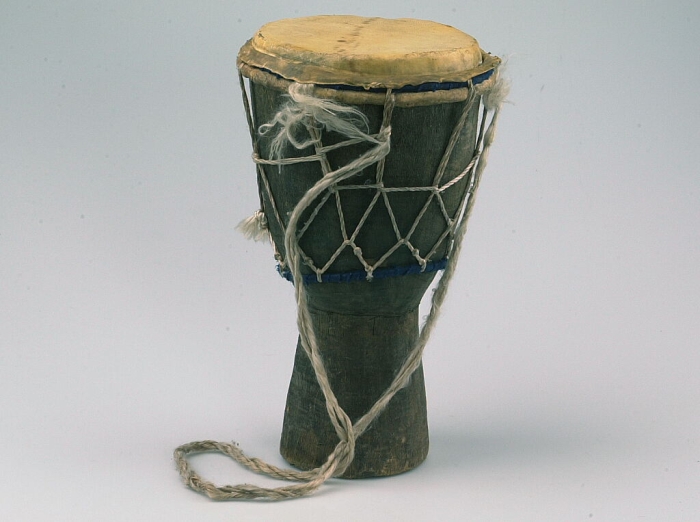
Traditional drums are made from wood shells and animal skins, but modern instruments use metal, synthetic materials and composite shells. Heads may be natural skin or synthetic film; tension is adjusted by mechanical hardware or by lacing on some traditional types. Construction choices affect attack, resonance and warmth of sound. Electronic drum pads and triggered systems use sensors and electronics to reproduce or shape drum sounds.
Common types and families
- Frame and hand drums: tambourine, bodhrán and other shallow framed drums used in folk and ritual music.
- Goblet and bowl drums: djembe, darbuka, conga and bongo drums, often hand-played and central to many regional styles.
- Orchestral and concert drums: timpani, snare drum, bass drum and toms used in ensembles and orchestras.
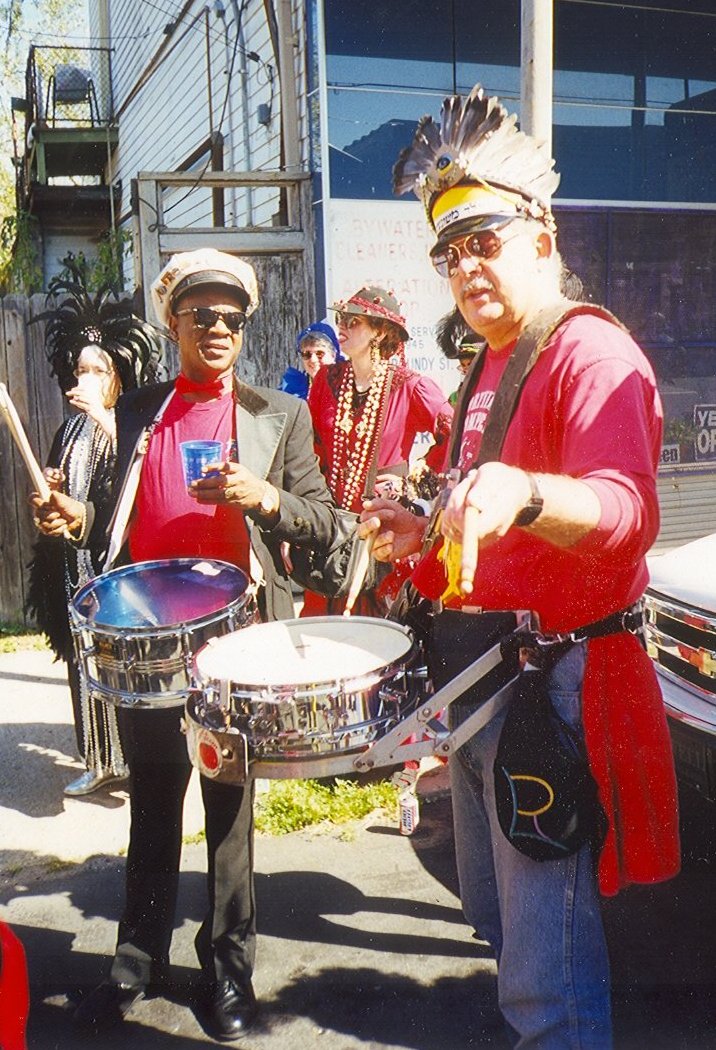
- Marching and drumline instruments: harness-mounted snares, tenor drums and bass drums designed for outdoor projection.
- Drum kit: a configurable set of bass drum, snare, toms and cymbals assembled into a single playable unit; see drum kit.
- Electronic drums: pads and triggers that synthesize or sample drum sounds for studio and live use.
Playing techniques and musical roles
Drummers use a variety of strokes and articulations: single and double strokes with sticks, rimshots on snares, hand slaps on frame drums, brush sweeps and mallet rolls on tuned drums. Drums serve to keep tempo, outline form, create accents and produce textures that support melodies and harmonies. The specific role of drums in shaping tempo and feel is discussed in studies of musical role and groove.
Genres and ensemble contexts
Drum sounds and patterns vary by genre. The drum kit is central to many popular styles such as rock, jazz, country and blues, where it provides backbeat, swing, shuffle or groove. Orchestral music uses timpani and tuned percussion to contribute pitch and color, while folk and traditional ensembles rely on regionally specific drums and techniques. For classification see percussion and for relationships among drums and other struck instruments see drums & cymbals and cymbals and bells.
Regional varieties and cultural significance
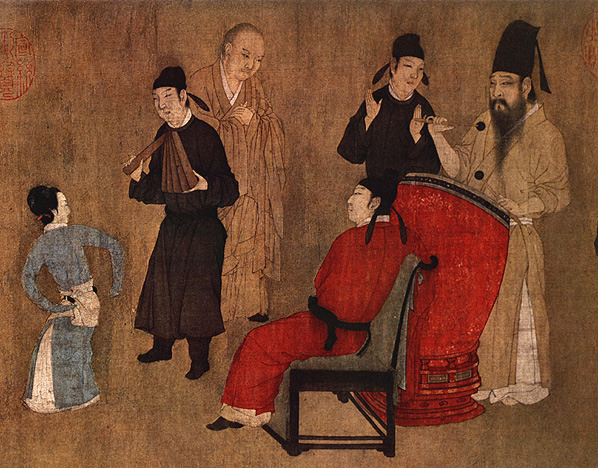
Different cultures developed distinct drum forms reflecting social, religious and communicative needs. Hand drums and frame drums often accompany song and dance; large kettle and bass drums can mark public ceremonies. Drums have been used historically for signaling and ritual as well as entertainment, and many traditions preserve specialized playing techniques and symbolic meanings.
Tuning, acoustics and maintenance
Tuning affects pitch and resonance. Tensioning systems allow heads to be tightened or loosened to alter pitch; timpani use pedal or key systems for precise pitch changes. Maintenance includes replacing worn heads or pads, lubricating hardware threads, checking tension for evenness and protecting shells from extreme humidity. Electronic kits require module updates and pad care rather than head replacement.
Learning and notation
Beginners focus on timing, basic rudiments and coordination between hands and feet. Drum notation and transcription allow players to communicate patterns and arrangements; lessons often progress from simple beats to independence exercises and stylistic studies. Ensemble playing emphasizes dynamics, listening and interaction with other musicians.
Contemporary developments
Modern drumming blends acoustic tradition with electronic technology: sampling, hybrid kits and triggered sounds expand the palette available to performers and producers. Drum construction continues to evolve with new materials and design approaches aimed at projection, tonal control and portability. Drums remain a versatile and expressive family of instruments, integral to musical practice worldwide.
Related articles
Author
AlegsaOnline.com Drum: types, construction, playing methods and cultural role Leandro Alegsa
URL: https://en.alegsaonline.com/art/29030
Sources
- commons.wikimedia.org : Drums