
Rhythm and blues (R&B): origins, characteristics, and evolution
Rhythm and blues (R&B) is a popular music genre rooted in African American jazz, gospel and blues traditions, evolving from mid‑20th century dance music into multiple modern styles worldwide.
Overview
Rhythm and blues, commonly shortened to R&B or RnB, is a popular musical genre that emerged from African American musical traditions. It blends elements of jazz, gospel and blues into a form that emphasizes groove, vocal expression and danceable rhythms. While its roots are regional and community‑based, R&B is now performed and adapted by artists of many cultures and ethnic groups around the world.
Image gallery
10 Images




Characteristics
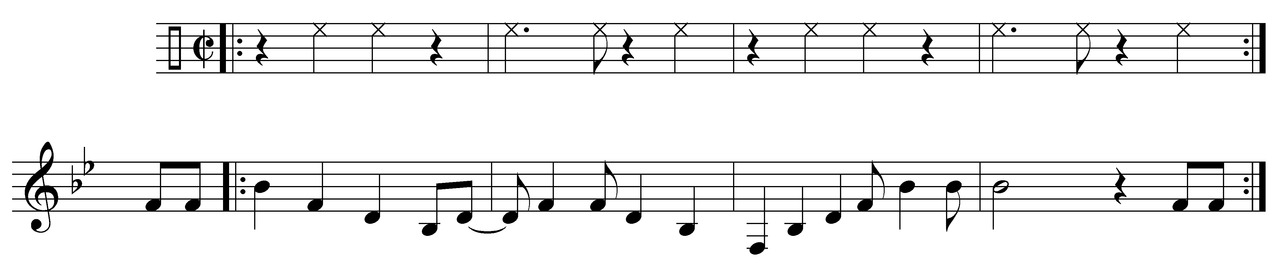
R&B is characterized by a strong backbeat, syncopated rhythms, and emotive lead vocals. Instrumentation historically included piano, saxophone, electric guitar, bass and drums; in later decades it added keyboards, synthesizers and programmed beats. Common vocal techniques include melisma, call‑and‑response phrasing borrowed from gospel, and a focus on sensual or romantic lyrical themes.
- Rhythm: emphasis on groove and danceable patterns.
- Vocals: expressive delivery with soulful inflections.
- Arrangement: horn lines, tight rhythm sections, later electronic production.
History and development
The term "rhythm and blues" was adopted in the mid‑20th century to describe recordings by African American artists that did not fit into classical, jazz or traditional blues categories. Early performers merged swing, blues feeling and gospel intensity into popular dance numbers. Over ensuing decades R&B evolved through several phases: the jump‑blues and big‑band influenced sounds of the 1940s and 1950s; the soul and Motown styles of the 1960s; funk and disco influences in the 1970s; and the incorporation of pop, hip‑hop and electronic production in late 20th and early 21st centuries.
Influence and importance
R&B has had broad influence on global popular music. It played a crucial role in the development of rock and roll, soul, funk and hip‑hop, and has contributed to mainstream chart trends and dance culture. The genre also reflected and sometimes shaped social currents, providing a voice for African American experience while crossing cultural boundaries through crossover hits and international adaptation.
Subgenres and distinctions
Over time several distinct styles have been associated with R&B. These include classic or traditional R&B, soul, contemporary R&B (which often incorporates hip‑hop rhythms and pop production), neo‑soul (a more organic, retro‑inspired approach), and hip‑hop soul. Each variation emphasizes different balances of vocal technique, instrumental backing and production technology.
Notes and examples
When exploring R&B, listeners can trace links to earlier forms like blues and jazz, and follow its continuing evolution in modern pop and urban music. For historical context and further reading on the genre and its roots, see related overviews of the jazz, gospel and blues traditions, and surveys of how the style spread to many cultures and different ethnic groups worldwide. For a concise entry on genre definitions and examples, consult a general music genre reference.
Questions and answers
Q: What is rhythm and blues?
A: Rhythm and blues is a music genre that combines elements of jazz, gospel, and blues. It was first performed by African American artists.
Q: What are some influences of rhythm and blues?
A: The genre is influenced by jazz, gospel, and blues music.
Q: Who were the first performers of rhythm and blues?
A: African American artists were the first performers of rhythm and blues.
Q: Is rhythm and blues only performed by African Americans?
A: No, rhythm and blues is now performed worldwide by people of many cultures and ethnic groups.
Q: What is R&B an abbreviation of?
A: R&B is an abbreviation of rhythm and blues.
Q: What is another abbreviation for rhythm and blues?
A: Another abbreviation for rhythm and blues is RnB.
Q: What is the popularity of rhythm and blues music like?
A: Rhythm and blues music is a popular genre that is enjoyed worldwide by people of many cultures and ethnic groups.
Related articles
Author
AlegsaOnline.com Rhythm and blues (R&B): origins, characteristics, and evolution Leandro Alegsa
URL: https://en.alegsaonline.com/art/82558