
Classical music: overview, history, forms and cultural significance
An accessible overview of classical music: definition, periods, forms, performance, and how it differs from popular and folk traditions.
Classical music commonly denotes the written, art-music tradition that developed in the Western world from roughly the medieval era to the present. It is typically created by composers trained in musical composition and preserved in musical notation so that performers can interpret a written score. The phrase is sometimes used broadly to mean 'art music' rather than a single historical period, and it includes a wide range of styles from medieval chant to contemporary concert music.
Image gallery
10 Images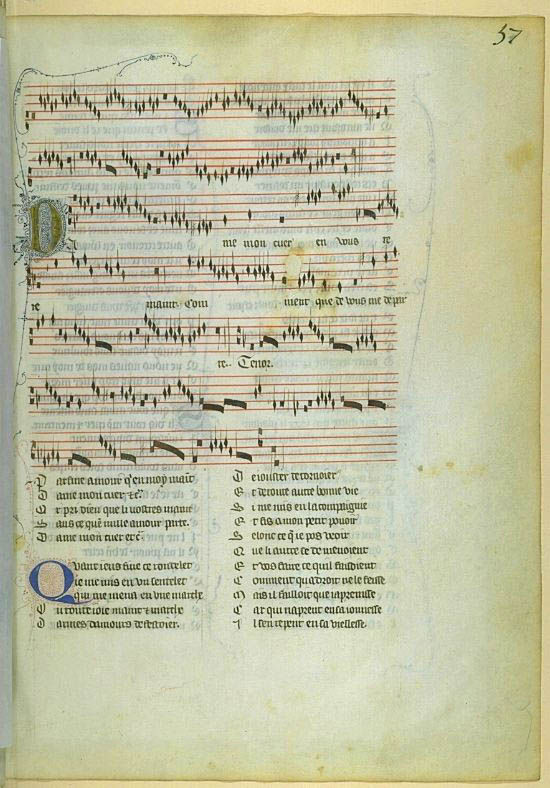


Characteristics and common forms
Classical music is often characterized by extended written works, developed formal structures and attention to harmony, counterpoint and orchestration. Performances may involve soloists, chamber ensembles, choirs or full orchestras. Typical large-scale forms include:
- Symphony — multi-movement works for orchestra
- Concerto — works for solo instrument(s) with orchestra
- Sonata — multi-movement pieces for solo instrument or duo
- Opera and choral works — staged vocal dramas and large-scale sacred or secular choral pieces
- Chamber music — intimate pieces for small ensembles such as string quartets
Historical development
The tradition can be traced through several broad periods: medieval and Renaissance liturgical and secular music; Baroque (with composers such as J.S. Bach who developed counterpoint); the Classical period (often associated with clarity and balance); Romanticism (emphasis on expression and expanded orchestration); and the 20th and 21st centuries, which encompass diverse movements including modernism, minimalism and other experimental approaches. Social contexts shifted over time from church and court patronage to public concert life, conservatory training and recorded media.
Performance, notation and transmission
One defining feature of the tradition is musical notation: composers notate melodies, rhythms, harmonies and instructions so performances can be realized across time and place. Conductor-led orchestras, chamber groups and soloists study scores and historical practice to shape interpretation. Education in composition and performance has long taken place in conservatories and university programs, and recordings have expanded access beyond live concerts.
Uses, audiences and influence
Classical music appears in concert halls, opera houses and churches, and it also informs film scores, contemporary art music and popular genres. Its repertoire is used for study, worship, civic ceremonies and entertainment. Major composers and works remain part of general cultural literacy and are often used as reference points in music education.
Distinctions and related traditions
Classical music differs from popular music in its emphasis on notated, enduring works rather than songs produced primarily for mass-market consumption. It contrasts with folk music, which is often transmitted orally within communities and evolves through collective practice. The label "classical" is flexible: some people use it narrowly for the 18th-century Classical period, while others use it as a shorthand for Western art music.
Further reading and resources: introductory surveys, recordings and historical studies can clarify styles and periods. For general reference see overview sources, guides to composers at reference sites, discussions of art-music distinctions at academic summaries, comparisons with popular genres at genre guides, folk-music contexts at folk resources, and educational material on transmission and learning at music education links.
Questions and answers
Q: What does the term "classical music" generally refer to?
A: The term "classical music" generally refers to the standard music of countries in the western world.
Q: Who composes classical music?
A: Classical music is composed by musicians who are trained in the art of writing music.
Q: How is classical music written down?
A: Classical music is written down in music notation so that other musicians can play it.
Q: What is another term for classical music?
A: Another term for classical music is "art music."
Q: How does classical music differ from pop music?
A: Classical music differs from pop music because it is not made just in order to be popular for a time or just to be a commercial success.
Q: What is folk music generally made up of?
A: Folk music is generally made up by ordinary members of society and learned by future generations by listening, dancing, and copying.
Q: Does the term "art music" only include classical music?
A: No, the term "art music" includes types of serious modern music which are not classical.
Related articles
Author
AlegsaOnline.com Classical music: overview, history, forms and cultural significance Leandro Alegsa
URL: https://en.alegsaonline.com/art/20780