
Psychedelic rock: origins, sound, key artists, and legacy
Psychedelic rock is a 1960s-rooted rock subgenre marked by studio effects, extended improvisation, and influences from hallucinogenic culture. It shaped later rock styles and continues to inspire musicians and audiences.
Psychedelic rock is a style of rock music that emerged in the mid-1960s and became prominent during the 1960s. It grew out of an interest in expanding the expressive range of popular song—through unusual timbres, extended forms and studio experimentation—and was closely associated with youth counterculture, new approaches to performance, and an aesthetic often described by the term psychedelic.
Image gallery
10 Images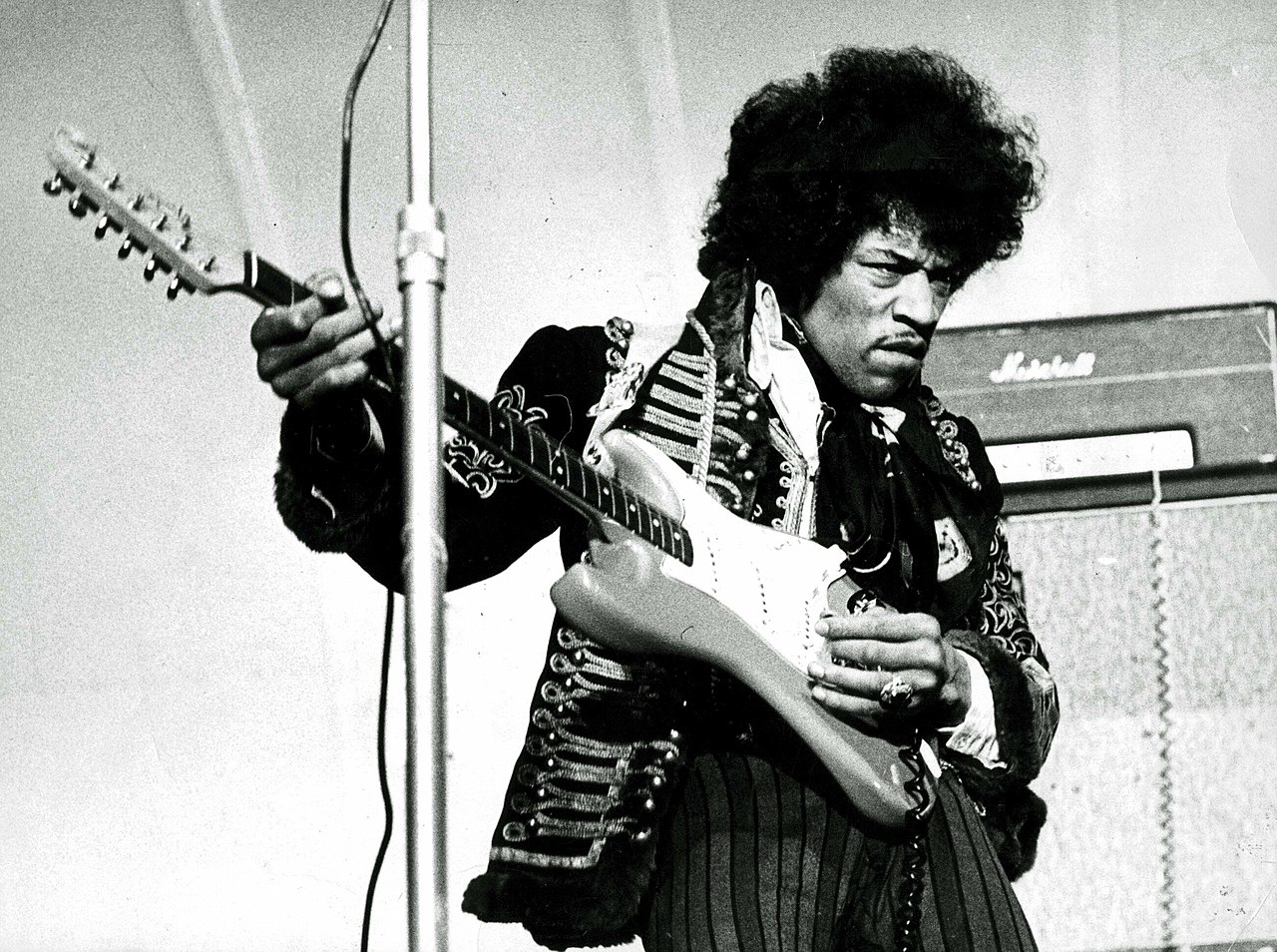





Musical characteristics
Psychedelic rock is not defined by a single formula, but several recurring features appear across many recordings and performances. Artists commonly used extended instrumental passages and solos—sometimes turning tracks into long improvisations or a platform for a virtuosic solo. Studio techniques such as tape echo, backward recording, phasing, flanging and altered mixing created textures that suggested altered perception. Non-Western instruments (sitar, tambura), modal melodies, distorted or wah-wah guitars, reverb-heavy vocals and surreal or symbolic lyrics are typical. Some songs contain explicit or indirect references to mind-altering substances and altered states of consciousness; these references reflect cultural associations rather than prescribing use of any substance such as hashish and other drugs.
Origins and major scenes
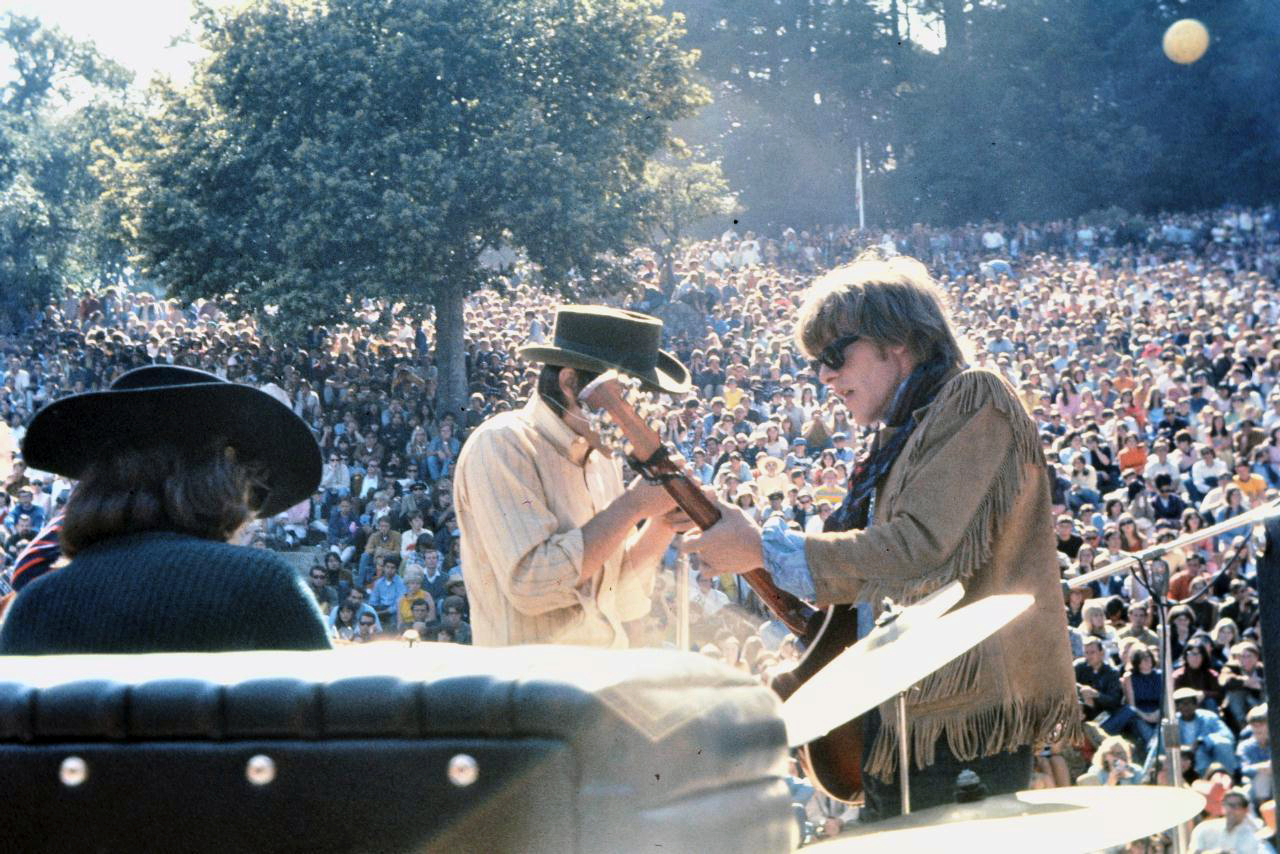
The sound developed nearly simultaneously in several cities. A well-known American center was San Francisco’s mid-1960s scene, linked to neighborhoods and venues that hosted long sets and communal concerts. Parallel activity in New York, Los Angeles and other U.S. cities contributed to variety within the style. In the United Kingdom, London groups and studios produced their own variants, often with a more baroque or experimental studio orientation. Psychedelic music also appeared in other countries and influenced international scenes beyond the U.S. and U.K. and particularly in England.
Artists and recordings
Many widely known acts of the period explored psychedelia for parts of their careers or helped define its sound. Examples include The Beatles, whose studio albums pushed pop production boundaries; The Doors, with dark, improvisatory textures; and The Byrds, who blended folk, jangle guitar and studio effects. Other notable contributors were The Who, Jimi Hendrix, Jefferson Airplane, Pink Floyd, Frank Zappa and The Animals. Regional staples like the Grateful Dead developed lengthy live improvisations and a dedicated concertgoing culture.
Cultural role and legacy
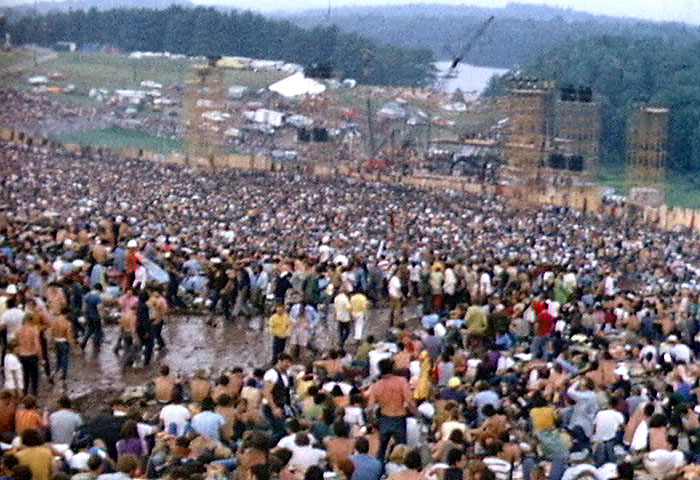
Psychedelic rock was more than a set of sounds; it provided a soundtrack for social experiments, festivals and changes in concert presentation. Landmark events and albums of the era helped move popular music into a more album-oriented, experimental phase. The techniques and attitudes of psychedelic rock influenced later styles including progressive rock, hard rock, krautrock, electronic music and later neo-psychedelic revivals. Many modern artists draw on its textures, and reissues, compilations and scholarship continue to examine its musical and cultural impact.
While often associated with the counterculture’s exploration of altered states, the genre’s significance lies in its contribution to recording practice, live improvisation and the expansion of what popular rock could express. For listeners and musicians today, psychedelic rock remains a reference point for experimentation, extended performance and sonic color.
Related articles
Author
AlegsaOnline.com Psychedelic rock: origins, sound, key artists, and legacy Leandro Alegsa
URL: https://en.alegsaonline.com/art/79845