
Indie rock: origins, style, subgenres, and cultural impact
Indie rock is a broad branch of alternative rock that emerged in the early 1980s from small independent labels. This article explains its sound, history, notable acts, subgenres and lasting influence.
Indie rock is a broadly defined style of rock music that grew out of the independent music scene in the United Kingdom and North America in the early 1980s. Often associated with a do‑it‑yourself approach to recording, distribution and promotion, it originally described rock released on small labels outside the major‑label system. Over time the term came to identify a set of aesthetic tendencies—rougher textures, an emphasis on songwriting over commercial gloss, and a willingness to mix pop melodies with experimental or lo‑fi production—rather than a single, uniform sound. The genre is commonly discussed alongside alternative rock, though the words are not always interchangeable.
Image gallery
10 Images


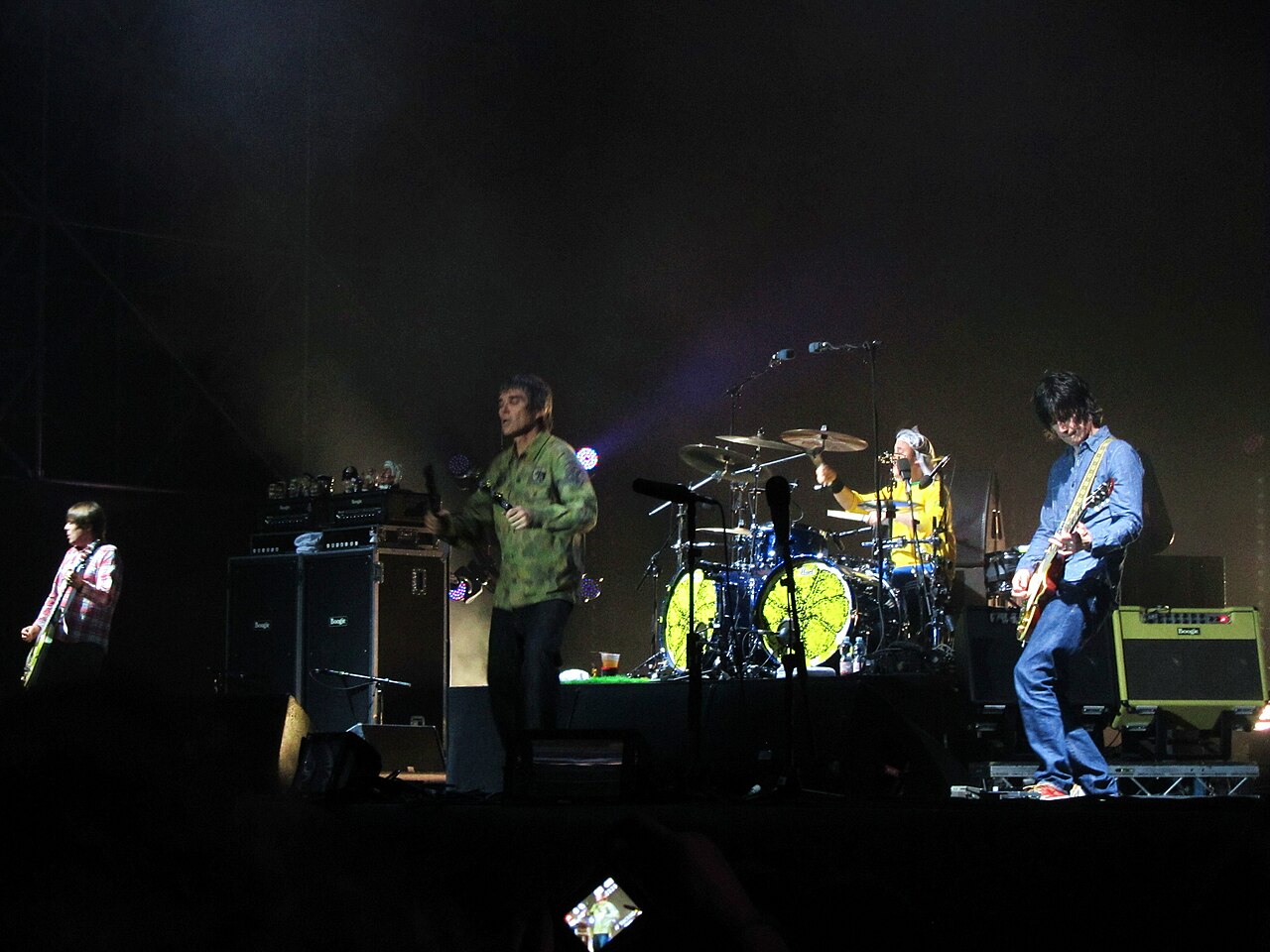




Distinctive characteristics
Musically, indie rock resists a single template. Typical features include prominent electric guitar work that ranges from jangly, chiming lines to dissonant riffs; intimate or literate lyrics; modest production values; and a preference for authenticity over radio‑ready polish. Bands often embraced low budgets and home recording techniques to produce a lo‑fi aesthetic. The social identity of indie rock also matters: many artists value artistic independence, close ties to independent labels and grassroots fan communities that support touring and small‑scale releases. In contrast with indie pop, which can emphasize sweeter melodies and twee stylings, indie rock tends toward a more angular or raw sound.
History and development
The movement has roots in the post‑punk and college‑radio networks of the late 1970s and early 1980s. In the UK, a landmark moment was the 1986 cassette that helped define a jangly, guitar‑based strain of indie. Across the Atlantic, American college radio and small labels nurtured bands that mixed artful songwriting with underground sensibilities. Through the 1990s some indie acts achieved significant commercial exposure without fully abandoning their independent roots. Examples of influential artists who moved between underground and mainstream recognition include R.E.M., Pavement, Regina Spektor and Superchunk.
Subgenres and crossovers
Indie rock has generated numerous offshoots and hybrid styles as artists incorporated electronic, folk and dance elements. Common variants include:
- Indie folk: acoustic‑driven songwriting with an emphasis on storytelling.
- Shoegaze and post‑rock: textural, immersive approaches that foreground atmosphere and guitar effects.
- Math rock: rhythmically complex, guitar‑centric music with precise playing.
- Indietronica or indie electronic: blends of indie songwriting with electronic music tools such as synthesizers and drum machines, often borrowing pop sensibilities from pop.
- Indie dance (alternative dance): a fusion that pairs rock instrumentation with elements of electronic dance music and influences from new wave.
These hybrid forms illustrate how indie rock functions as a flexible umbrella rather than a narrowly defined musical code. Artists draw freely from prior rock traditions and from contemporary electronic production techniques, resulting in a wide stylistic spectrum.
Importance and legacy
Indie rock's cultural impact extends beyond sound. It helped reshape how music is made and circulated by valuing independent labels, grassroots promotion and alternative distribution channels. The term "indie" also evolved differently in regional contexts, sometimes describing a mood or scene more than a business model. Today the legacy of indie rock is visible in mainstream and underground music alike: its aesthetics inform singer‑songwriters, alternative bands and electronic producers, while its DIY ethos continues to influence new generations of artists who prioritize creative control over industry formulas.
For further contextual reading on related movements and styles, see entries on alternative rock and independent music.
Questions and answers
Q: What is indie rock?
A: Indie rock is a subgenre of alternative rock music which originated in the United Kingdom and North America in the early 1980s. It was based on small labels with low budgets which produced lo-fi rock records.
Q: How does indie rock differ from indie pop?
A: Indie rock distinguishes itself from indie pop as it is generally rougher and more hard-edged.
Q: Are "indie" and "alternative" interchangeable terms?
A: Initially, the term "indie" was used for British-based music, whilst "alternative" for American. However, today they are often used interchangeably.
Q: What defined much of the sound of what is today regarded as “indie” music?
A: In 1986, British magazine NME released a cassette, C86, which defined much of the sound of what is today regarded as “indie” music, notably the usage of jangly guitar sounds, retro elements borrowing from 1960s rock bands, and a DIY, amateur-like sound.
Q: How does the term “indie” differ between UK and North America?
A: According to About.com, the term indie has two different general meanings in the UK and North America. In the UK, "indie" is a term used to describe "melancholy" and "non-rock" ballad-based music; in North America,"indie" is often used to refer to retro-sounding,"twee",and Anglophilic music.
Q: What popular acts or artists are associated with indie rock?
A: Popular indie rock acts and artists include R.E.M., Pavement Regina Spektor and Superchunk ,to name a few .
Q:What genres have been created by fusing elements of indie rock ? A:Indietronica ,or indie electronic music ,is a genre which fuses elements of indie rock ,pop and electronic music .Alternative dance music ,or Indie dance ,is also a genre which fuses elements of electronic dance music ,alternative Rock ,Indie Rock And new wave usually incorporating elements Of The Rock Genres And using them in A Dance -Based context
Related articles
Author
AlegsaOnline.com Indie rock: origins, style, subgenres, and cultural impact Leandro Alegsa
URL: https://en.alegsaonline.com/art/47166
Sources
- altmusic.about.com : "Difference Between Alternative and Indie Music"