
Britpop: the 1990s British rock movement
Britpop was a 1990s British rock movement that revived British guitar-pop traditions, emphasized local themes, and produced internationally known bands such as Blur, Oasis and Pulp.
Overview
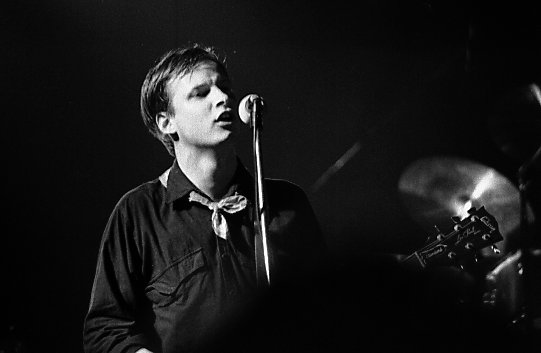
Britpop refers to a loosely defined movement in British popular music during the early-to-mid 1990s. It is most often associated with a strand of alternative rock that foregrounded guitar-driven songs, memorable melodies and lyrics rooted in everyday British life. The movement grew in the United Kingdom and drew on a renewed interest in the nation's musical past while positioning itself against dominant international trends.
Image gallery
9 Images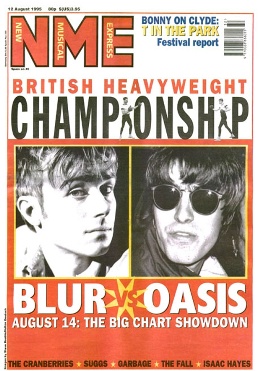




Origins and cultural context
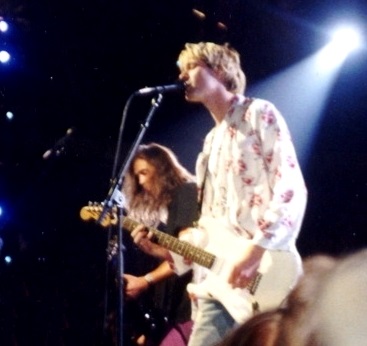
Britpop emerged from the British independent music scene of the late 1980s and early 1990s. Musicians and fans reacted to the popularity of American styles, notably grunge, which had been exported from the United States by prominent grunge bands and artists like Nirvana. Rather than imitating that sound, many British groups turned to native influences: classic guitar pop and 1960s–70s songcraft, along with social and regional subjects familiar to British listeners.
Musical characteristics
There was no single Britpop sound, but common traits include clear, hook-oriented songwriting; jangly or chiming guitar textures reminiscent of earlier British pop; concise song structures; and lyrical focus on local life, class, and everyday concerns. Bands often mixed pastiche and modernity, taking cues from bands of the 1960s and 1970s and reshaping them for a 1990s audience. The movement was not monolithic — some acts leaned toward art-pop or glam, others toward rawer rock — yet many shared an attention to melody and cultural identity.
Prominent bands and public attention
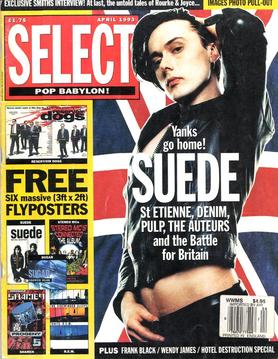
Several groups came to represent Britpop in the popular imagination. Newspapers, radio and music magazines helped frame the scene as a national phenomenon and often treated rivalries as symbolic of broader regional or cultural divides. Notable names include Blur, Oasis, and Pulp. Other frequently mentioned acts include Suede, Elastica and various independent-label artists whose work was celebrated by the music press.
- Blur — artful, observational songwriting and a London orientation.
- Oasis — anthemic rock with Manchester roots and heavily publicized personality clashes.
- Pulp — narrative lyrics focusing on class and everyday drama.
Peak, decline and legacy
Britpop reached its commercial and media peak in the mid-1990s, when singles, albums and festival appearances brought many of its artists mainstream attention. The so-called "Battle of Britpop," heavy press attention and a sense of national pride helped make the movement prominent for a brief period. By the late 1990s the scene had fragmented: musical tastes shifted, many bands evolved their styles or broke up, and the media moved on. Nonetheless, Britpop had a lasting influence on British popular music, helped revitalize British guitar bands, and shaped how national identity and pop culture were discussed in the press.
Distinctions and notable facts
Britpop is distinct from earlier British pop primarily in its 1990s timing and reaction to global trends. While it referenced classic acts and pop music traditions, it differed from American rock exports in its emphasis on local themes and celebratory use of British cultural touchstones. The movement was also shaped by coverage in the media, which both amplified bands and helped create narratives of rivalry and national importance.
Related articles
Author
AlegsaOnline.com Britpop: the 1990s British rock movement Leandro Alegsa
URL: https://en.alegsaonline.com/art/14578