
Heavy metal music
A loud, guitar-driven form of rock defined by amplified distortion, powerful rhythms, varied vocal styles, and a broad subculture; emerged in the late 1960s and developed many subgenres.
Heavy metal is a loud, guitar-centered style of rock that emphasizes amplified distortion, strong rhythmic drive and dramatic performance. Originating in the late 1960s and early 1970s, it developed from blues-rock and psychedelic rock into a distinct musical approach associated with specific techniques, stagecraft and a visible subculture. Well-known early practitioners combined riff-based songwriting with extended soloing, darker lyrical themes and heavier production to create an intense, powerful sound.
Image gallery
10 Images






Instrumentation and musical traits
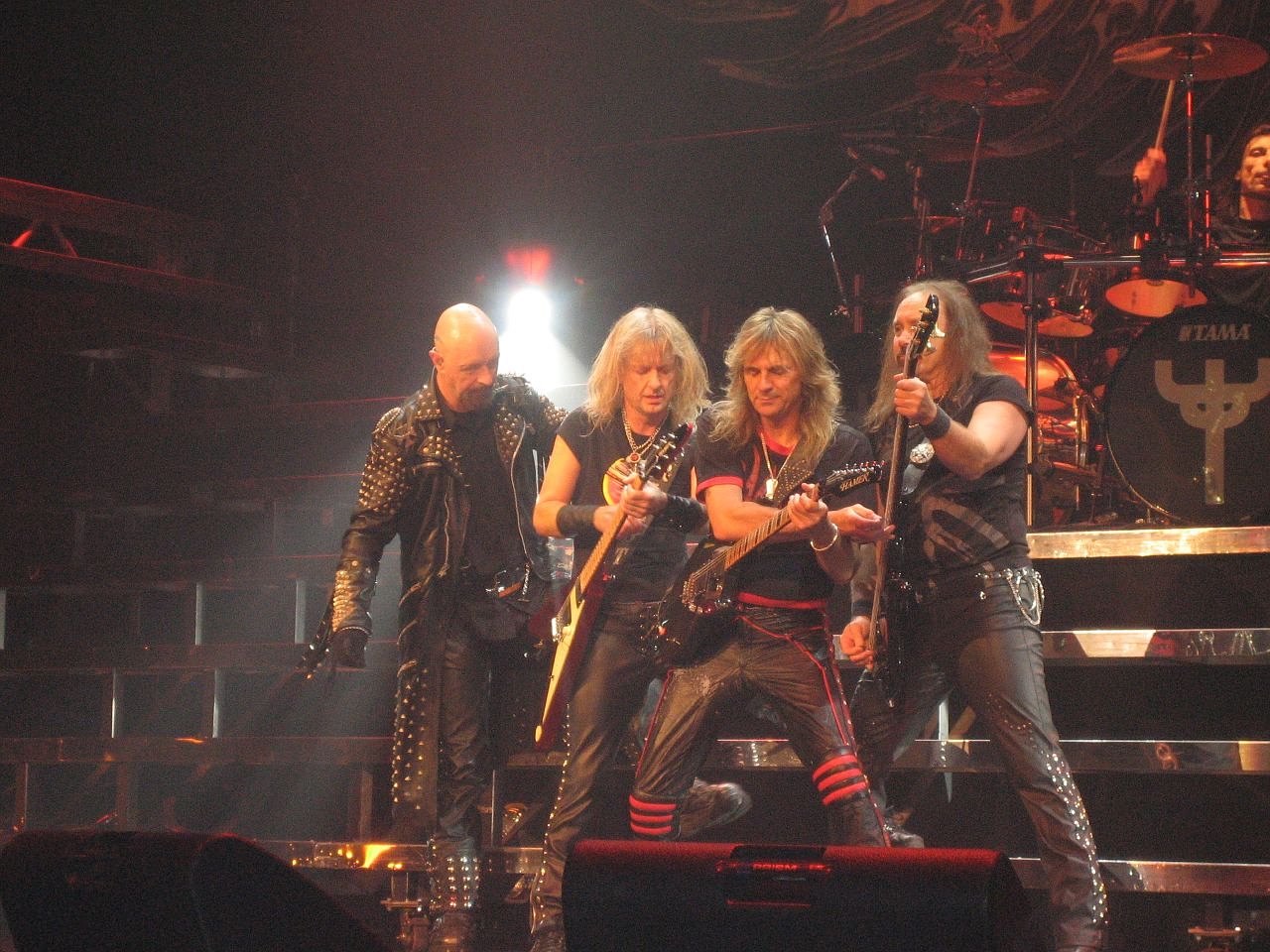
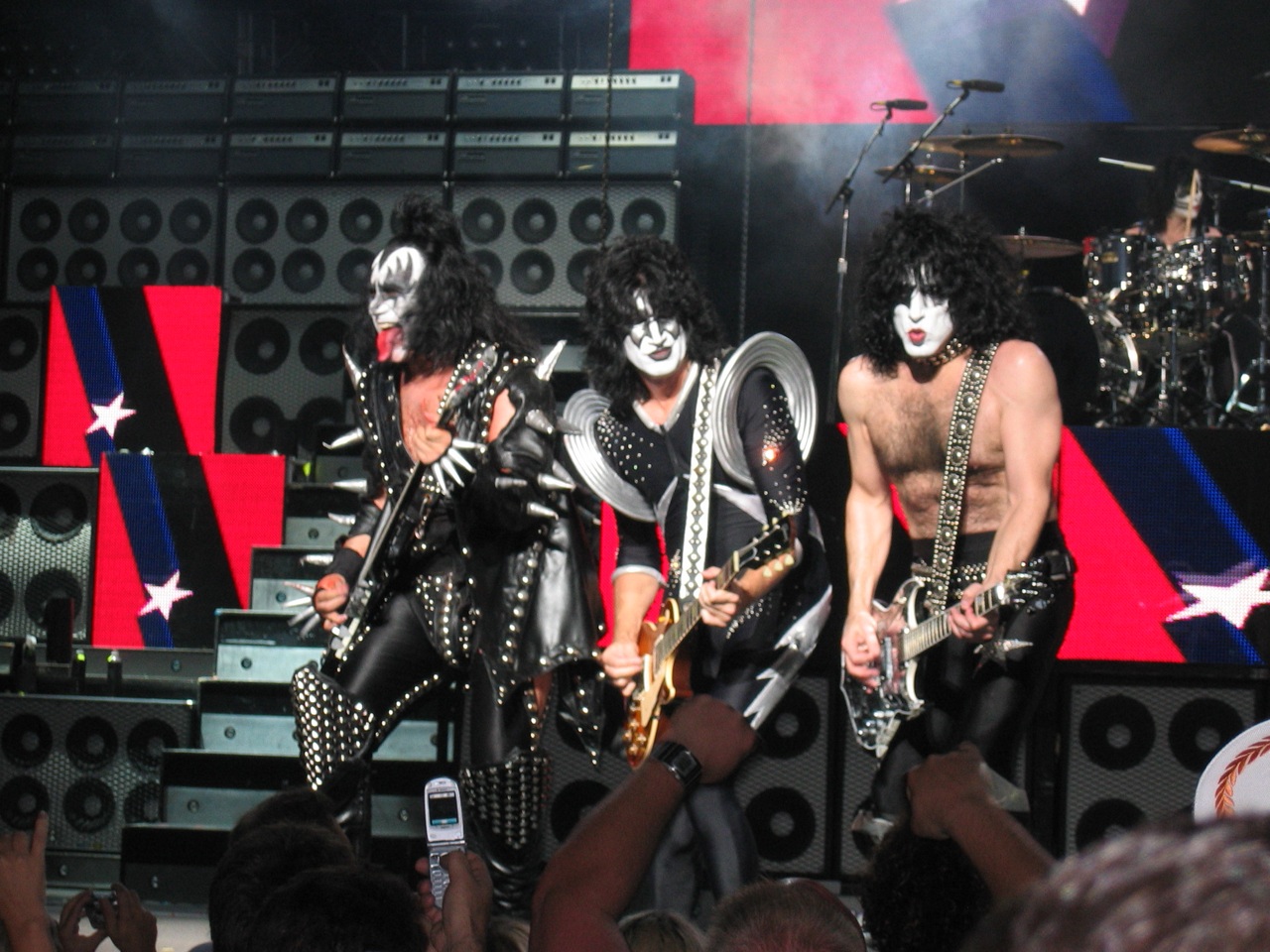
Typical heavy metal lineups include one or two electric guitars, a bass guitar and a drum kit; many bands also make use of keyboards or synthesizers and occasional acoustic or orchestral elements (keyboards, other instruments). The sound is marked by distorted tones, palm-muted chugging, power chords, driving downstrokes and prominent bass and drums. Drummers often use double-bass patterns and emphatic fills. Vocals range from melodic singing to shouted, screamed or growled styles depending on the subgenre. Compositions may employ repeated riffs, shifting tempos, unusual time signatures and harmonic layering to produce a sense of weight and momentum.
Common features and presentation
- Heavy emphasis on guitar riffs and solos performed by bands that favor volume and sustain.
- Downtuned instruments or intentionally low tunings to create a thicker, heavier tone.
- Powerful, often anthemic choruses alongside technical instrumental passages.
- Visual elements: stage theatrics, specific clothing such as leather or denim, long hair and symbolic iconography.
History and development
Heavy metal grew out of late 1960s blues-rock, hard rock and progressive styles. By the 1970s it had coalesced into a recognizable form and then diversified through the 1980s and 1990s into numerous substyles—some leaning toward melody and virtuosity, others toward speed, aggression or extreme sonic textures. Regional scenes and independent labels played important roles in spreading styles globally. Over time, production techniques, musical vocabulary and lyrical themes expanded, so metal now ranges from clean, epic arrangements to abrasive, minimalist noise-based approaches.
Subgenres, themes and cultural role
There are many subgenres—traditional heavy metal, power metal, thrash, death metal, black metal, doom, groove, nu-metal and metalcore among them—each with characteristic tempos, vocal approaches and thematic preoccupations. Lyrical content can include fantasy and mythology, personal struggle, social commentary, politics, existential topics and theatrical storytelling. The genre supports a strong live culture: concerts, dedicated festivals and a close-knit fan community have kept heavy metal an influential and resilient musical movement.
Notable distinctions and facts
- Metal often prizes technical skill (guitar technique, complex arrangements) while also valuing raw energy and communal response.
- Although sometimes stereotyped for aggression, heavy metal contains wide emotional and stylistic variety—from melodic and symphonic to abrasive and experimental.
- Instrumentation can be conventional (drums, bass, guitar) or augmented with keyboards, orchestral parts or electronic elements for specific artistic aims.
For listeners and musicians, heavy metal remains a broad umbrella covering both mainstream and underground expressions. The genre's combination of sonic force, distinct performance practices and devoted audiences has made it one of the most enduring and varied branches of modern popular music.
Further reading and resources: overview articles, band profiles, guitar techniques, bass roles, drumming patterns, keyboard uses, instrumentation examples.
Questions and answers
Q: What instruments are typically used by heavy metal bands?
A: Heavy metal bands usually use one or two guitars, a bass guitar, and drums. They may also sometimes use electronic keyboards, organs, or other instruments.
Q: How would you describe the sound of heavy metal music?
A: Heavy metal songs are loud and powerful-sounding, with strong rhythms that are often repeated.
Q: What are some common features of heavy metal music?
A: Common features of heavy metal include slackened (downtuned) instruments, unusual key changes, and time signatures (metre).
Q: How do heavy metal bands usually dress?
A: Heavy metal bands usually dress in jeans, leather jackets, and leather boots. They may also have long hair.
Q: Do all heavy metal bands behave in a dramatic way when they play their instruments or sing?
A: No, not all heavy metal bands behave in a dramatic way when they play their instruments or sing.
Q: What are some examples of different types of heavy metal?
A: Some different types of heavy metal include thrash metal, doom metal, power metal, and black metal.
Q: Can heavy metal music be considered a subgenre of rock music?
A: Yes, heavy metal music is considered a subgenre of rock music.
Related articles
Author
AlegsaOnline.com Heavy metal music Leandro Alegsa
URL: https://en.alegsaonline.com/art/43140
Sources
- steppenwolf.com : steppenwolf.com