
Jazz fusion: origins, characteristics, and influence
An expanded overview of jazz fusion—its emergence in the late 1960s, defining musical traits, key artists and recordings, substyles, performance practice, and lasting influence on jazz and popular music.
Overview
Jazz fusion (often called fusion or jazz-rock) is a musical style that blends the improvisational language and harmonic ideas of jazz with the instrumentation, rhythms and amplified sounds associated with rock, funk and other popular musics. Fusion emerged in the late 1960s and early 1970s when many jazz musicians began to use electric instruments, rock and funk grooves, and studio production techniques to explore new timbres and rhythmic intensity beyond the conventions of acoustic jazz. The style ranges from rock-driven ensembles with heavy backbeat emphasis to more experimental or groove-oriented projects that incorporate Latin, African and other world-music elements.
Image gallery
6 Images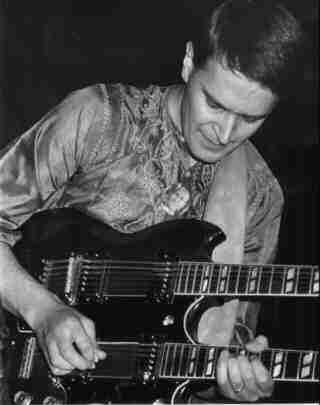


Defining characteristics
Although the sound of fusion can vary widely, recordings and performances commonly share several features:
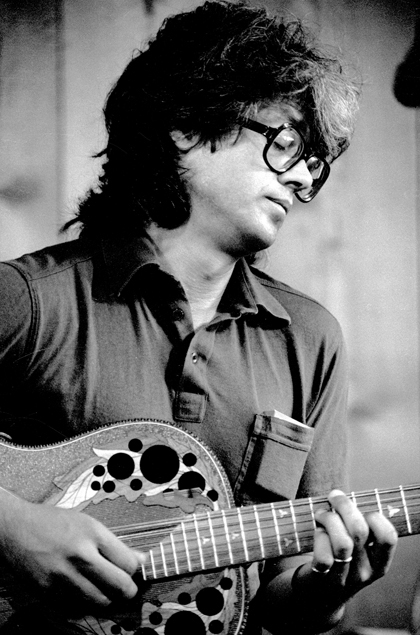
- Electric and amplified instrumentation: electric guitar and bass, electric piano, Hammond organ, synthesizers and amplified horns are frequent choices, often processed with effects.
- Rhythmic diversity: rock and funk grooves, pronounced backbeats, syncopated rhythms and sometimes odd or shifting time signatures appear alongside jazz phrase shapes.
- Extended forms and long tracks: compositions often allow space for multiple solos and collective improvisation, with pieces frequently lasting far longer than mainstream pop songs.
- Improvisation and virtuosity: instrumental solos are typically improvised, highlighting technical skill, interaction and spontaneous development.
- Studio and production approach: use of effects, studio layering and electronic textures is more prominent than in many acoustic jazz recordings.
History and development
Fusion developed as a result of cross-pollination between jazz and the popular musics of the era. Many historians and listeners point to the electric experiments of leading jazz artists in the late 1960s as a catalyst. Albums from this period introduced louder, electrically amplified ensembles and freer approaches to rhythm and form. Throughout the 1970s fusion diversified: some groups emphasized the energy and drive of rock, others blended funk grooves or drew on non-Western rhythms and instruments, creating substyles sometimes labeled jazz-funk, world fusion, or jazz-rock.
Key artists and recordings
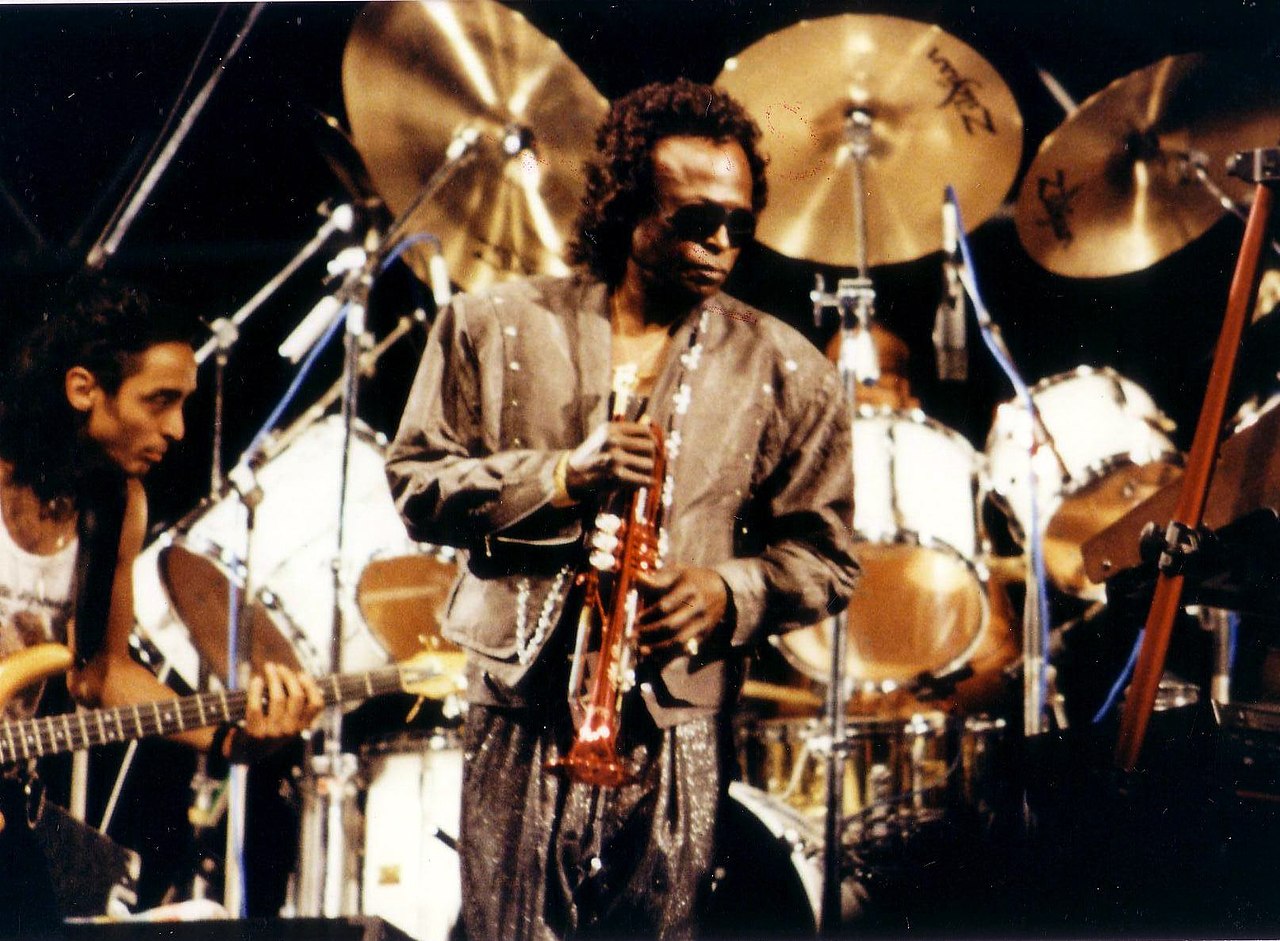
Prominent musicians associated with fusion include both bandleaders and sidemen who helped define its sound. Important figures often cited are Miles Davis, whose electric period is widely discussed as influential; guitarists and bandleaders such as John McLaughlin; keyboard innovators like Herbie Hancock and Chick Corea; the rhythmically inventive groups Weather Report and the Mahavishnu Orchestra; and bass players such as Jaco Pastorius, who expanded the role of electric bass. Solo albums and group records from the early 1970s through the decade presented extended improvisations, new sonic textures and genre-blending arrangements that reached diverse audiences.
Substyles and related forms
From its roots, fusion branched into several related directions. Jazz-funk emphasized groove and danceable rhythms; progressive fusion adopted complex arrangements and rock intensity; world fusion integrated non-Western instruments and meters. In later decades some strands moved toward smoother, more radio-friendly production—often labeled smooth jazz—while other artists returned to more adventurous, improvisation-focused approaches, influencing contemporary jazz, progressive rock and electronic music.
Listening and performance practice
Live fusion performances typically feature extended solos and interactive group dynamics. Solos are commonly improvised, and players often exchange ideas in real time, using electric tone shaping and effects to expand their palette. Because many fusion tracks are lengthy, the music rewards attentive listening and is frequently presented in concert settings where musicians can stretch out beyond studio constraints.
Legacy and influence
Jazz fusion left a lasting mark on both jazz and popular music. Its embrace of electric instruments and rock and funk rhythms broadened jazz’s audience and opened pathways for later cross-genre experimentation. Elements of fusion can be heard in progressive rock, funk, hip-hop sampling, electronic music and contemporary jazz ensembles. While fusion has not always been dominant on mainstream radio, it maintains vibrant scenes and continues to inspire musicians exploring hybrid forms.
Further reading and resources
For concise overviews and deeper exploration, readers can consult genre guides, artist discographies and historical surveys. Useful starting points include general entries on the style and its sources, guides to the broader jazz tradition, and materials addressing specific influences such as rock, funk and world music. Helpful links and topical pages include introductions to the genre and to related concepts:
- Genre overview and definitions
- Style and terminology
- Background on jazz traditions
- Rock influences in fusion
- Funk connections and grooves
- Rhythm and blues links
- World music and cross-cultural elements
- Comparisons with popular song forms
- Soloing and improvisational technique
- Artist examples and case studies
- Notes on improvisation
Questions and answers
Q: What is jazz fusion?
A: Jazz fusion is a genre or style of music that mixes jazz with rock, funk, rhythm and blues, and world music. It is usually played with instruments without singing.
Q: How long are the songs in jazz fusion?
A: Jazz fusion songs are often longer than those in pop music, usually five to ten minutes long compared to three minutes for a pop song.
Q: What type of solos are used in jazz fusion?
A: In jazz fusion, solos are improvised or made up as they are played during a performance.
Q: Who was an example of someone who used this genre?
A: Frank Zappa was an example of someone who used the jazz fusion genre.
Q: Is it popular on radio stations in North America?
A: No, it is not heard much on the radio in the United States or Canada but it is more popular on radio stations in Europe.
Q: Does jazz fusion use singing at all?
A: No, it does not typically use singing - instead it uses instruments only.
Related articles
Author
AlegsaOnline.com Jazz fusion: origins, characteristics, and influence Leandro Alegsa
URL: https://en.alegsaonline.com/art/49686