
Punk rock: an overview of the music, culture, and influence
Punk rock is a fast, stripped-down form of rock music and a global subculture known for DIY ethics, political edge, distinctive fashion, and influence on many later genres.
Punk rock is a style of rock music and a social movement defined by simplicity, speed, and often confrontational attitude. Emerging as a reaction against mainstream rock's perceived excesses, punk favored shorter songs, direct lyrics and a stripped-back sound. It developed alongside a youth-oriented subculture that challenged social norms and commercial music industry practices.
Image gallery
10 Images
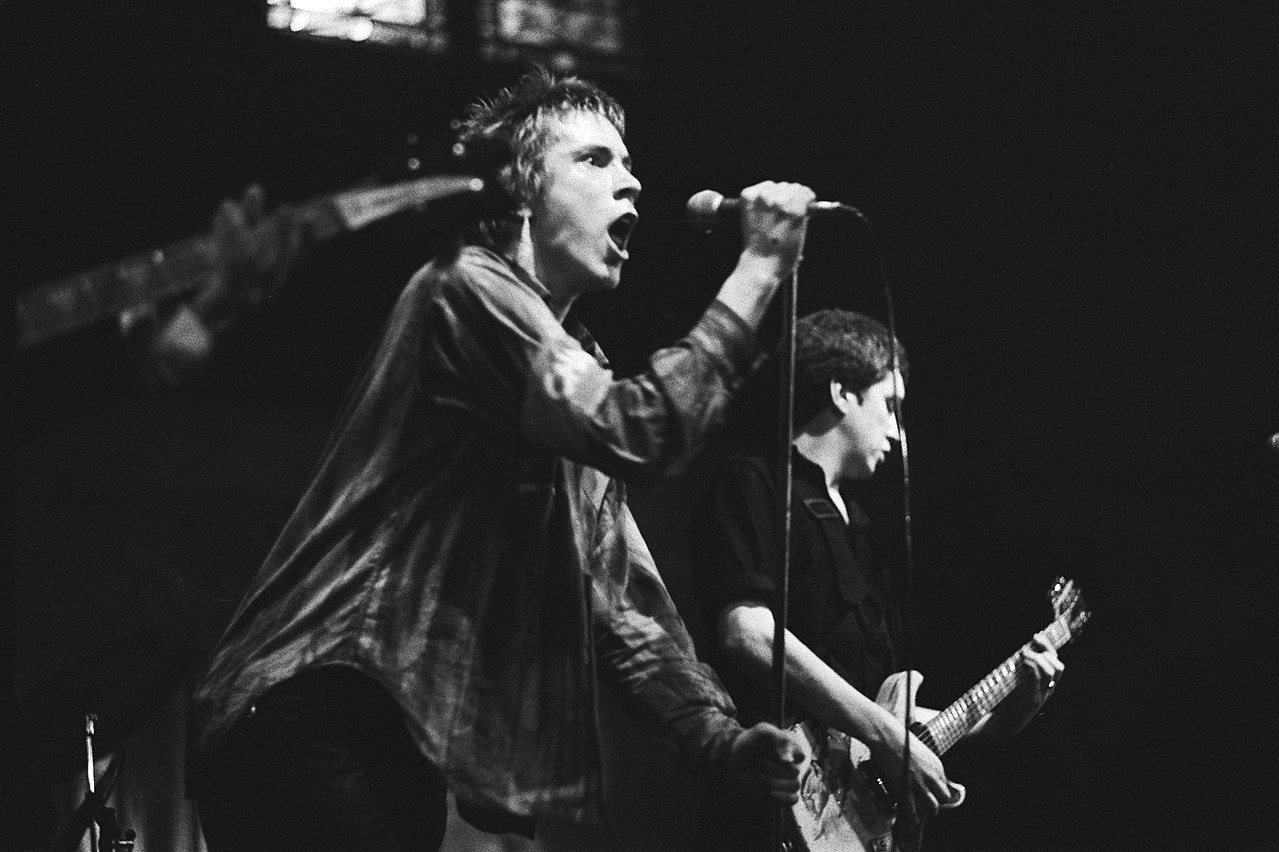
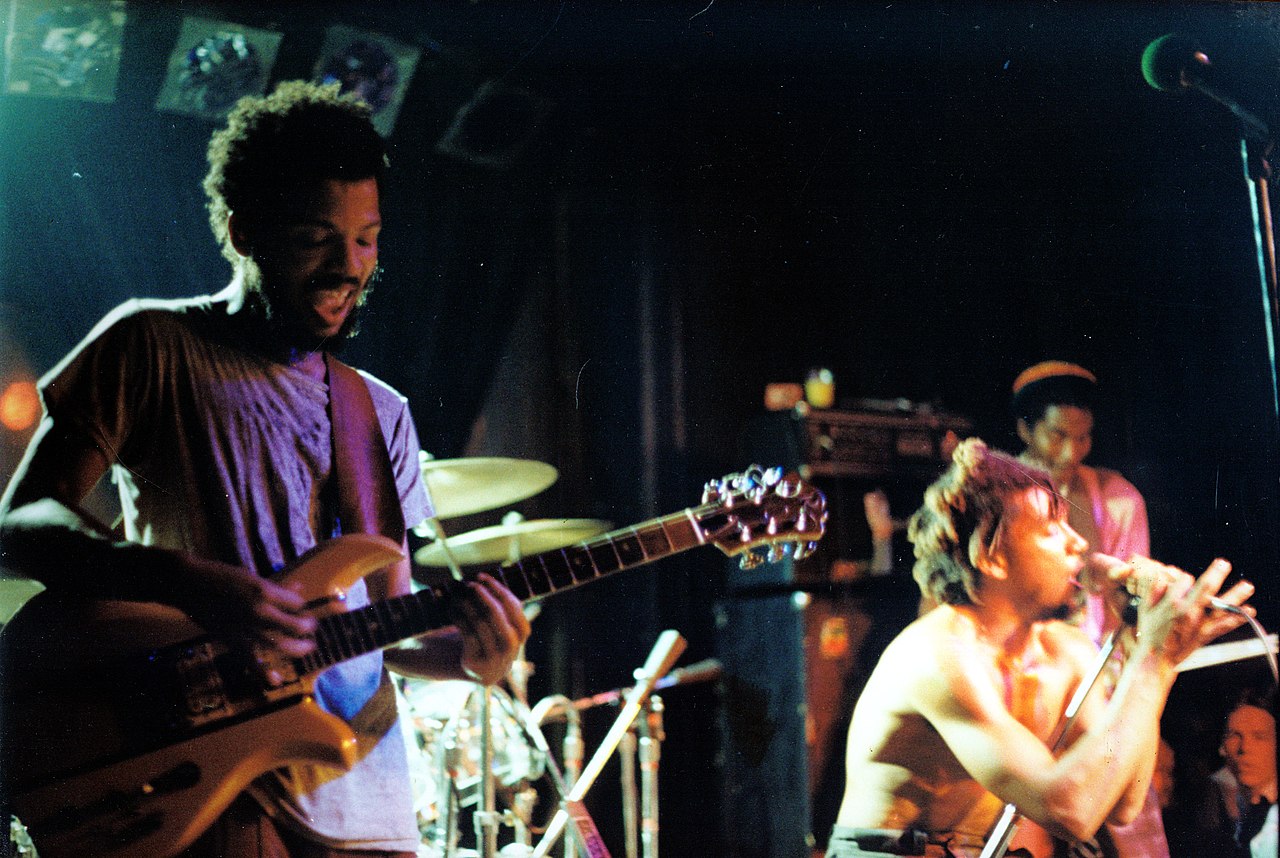


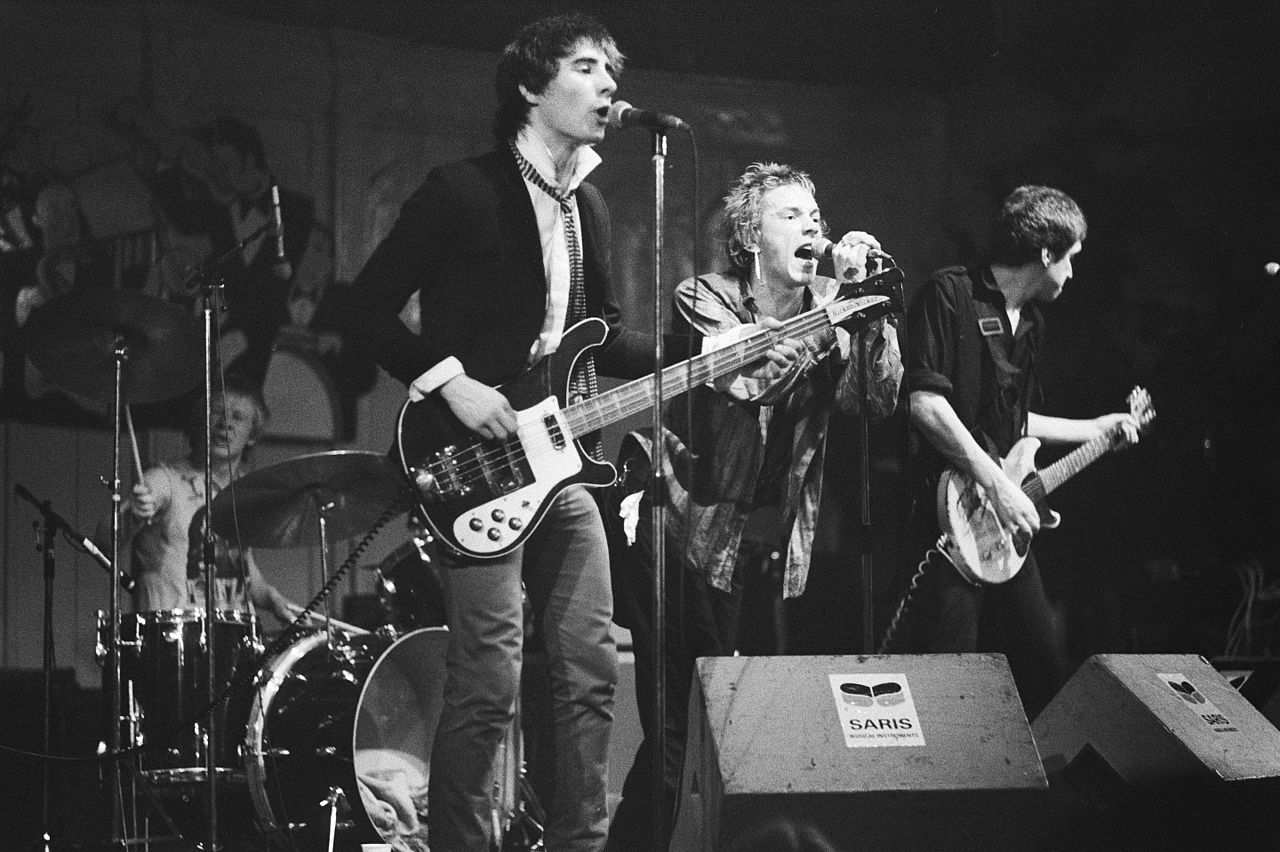


Characteristics
Musically, punk typically features fast tempos, basic chord structures, loud guitars, driving bass lines and emphatic drumming. Vocals range from shouted or sneering delivery to melodic singing, but the emphasis is usually on immediacy rather than technical virtuosity. Lyrical themes often address alienation, anti-authoritarian politics, personal freedom and social issues.
History and origins
The core of the punk movement coalesced in the mid-1970s in several cities, with distinct scenes in places such as New York and London. Early bands stripped rock to its essentials and rejected elaborate production. Acts commonly cited as foundational include groups that brought raw energy and an attitude of refusal toward mainstream trends, inspiring many others to form their own bands.
Subculture and practices
Punk developed a do-it-yourself (DIY) ethic: fans organized small concerts, produced independent records, printed zines and built local networks without major-label backing. Fashion associated with the scene—leather jackets, patched clothing, bold hairstyles and safety-pin accessories—became visible markers of identity, though styles varied widely across regions and subgroups.
Variants and influence
- Hardcore punk: faster, more aggressive offshoots that grew in underground scenes.
- Post-punk: bands that retained punk's spirit but experimented with new sounds and textures.
- Pop-punk and alternative rock: later movements that mixed punk energy with melodic elements and broader commercial reach.
Today, punk's legacy persists in independent music scenes, political activism, and fashion. Its emphasis on accessibility—encouraging anyone to form a band or start a zine—remains one of its most enduring contributions. For introductions and curated lists of notable bands and scenes, see further overview and a selection of resources on bands and history at related pages.
Related articles
Author
AlegsaOnline.com Punk rock: an overview of the music, culture, and influence Leandro Alegsa
URL: https://en.alegsaonline.com/art/80083
Sources
- merriam-webster.com : "punk rock"