
Glam rock: style, sound, and cultural legacy
Glam rock is a theatrical rock style from the early 1970s defined by flamboyant fashion, androgyny, catchy pop hooks and a showy stagecraft that influenced later rock, fashion and popular culture.
Overview
Glam rock (often shortened to glam) is a style of rock music and performance that first rose to prominence in the United Kingdom and beyond during the late 1960s and early 1970s. It combined elements of pop and hard rock with deliberately theatrical presentation: artists emphasized costume, makeup, and stage personas as much as musical sound. Glam was both a musical movement and a visual aesthetic, notable for its embrace of spectacle and a playful, often ambiguous approach to gender and identity.
Image gallery
5 Images



Characteristics
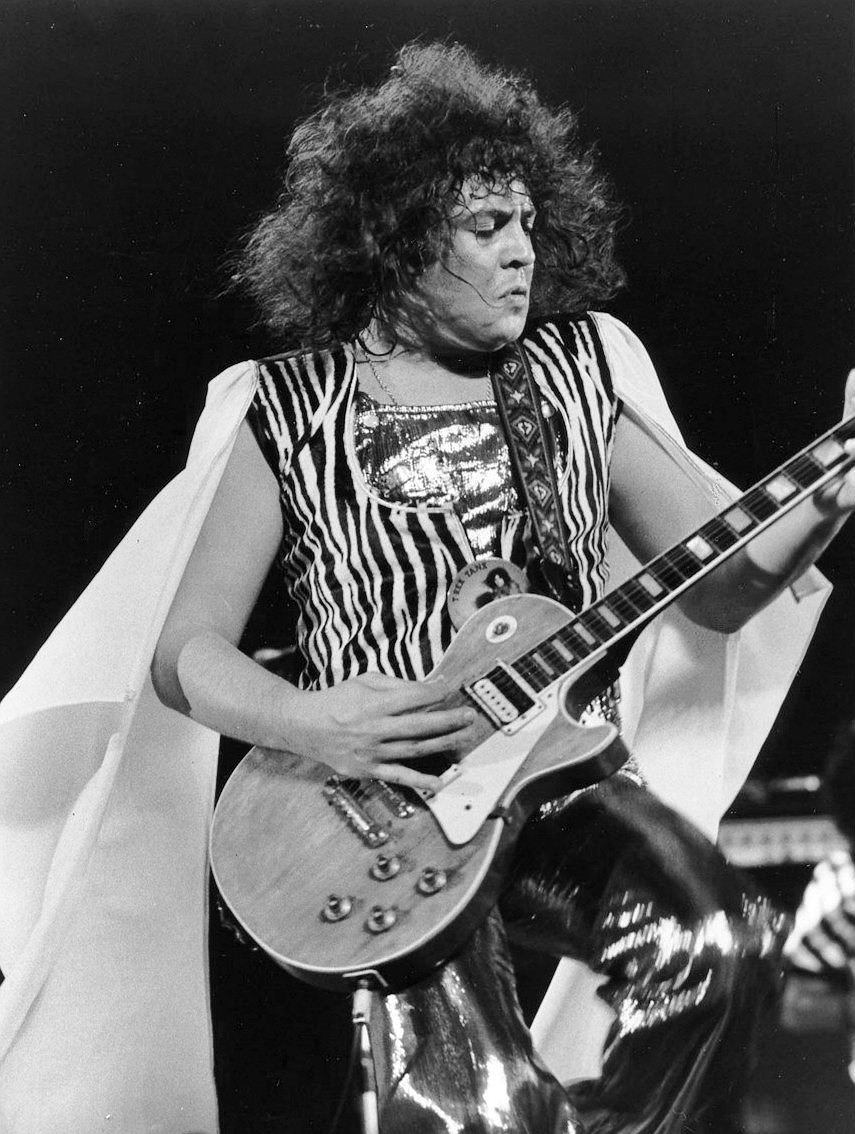
The musical and visual traits of glam rock include a mix of simple, driving rock rhythms and catchy pop hooks, often arranged around singable choruses and memorable riffs. Lyrically it ranged from teen-oriented pop themes to science-fiction, fantasy and self-mythologizing persona songs. Onstage, performers used elaborate costumes, bright makeup, platform boots and props to create larger-than-life characters.
- Sound: guitar-driven rock with pop structures, sometimes incorporating piano, strings or backing vocals for drama.
- Performance: theatrical staging, choreography, and strong visual identity.
- Image: androgyny, glitter, metallic fabrics and exaggerated footwear were common.
- Themes: celebrity, decadence, space-age imagery, and playful subversion of gender norms.
Key artists and examples
A number of performers are closely associated with glam rock, each bringing a distinctive approach to the style. Notable acts include David Bowie, whose chameleonic stage characters helped define glam's theatrical side; Elton John, who blended flamboyant costumes with piano-based pop; T. Rex, known for concise, catchy songs; and theatrical shock-rockers like Alice Cooper. Other prominent names include British chart acts such as Slade, the glam-pop band Queen, and artists often linked with the glitter and spectacle of the era like Gary Glitter. The press and fans sometimes used the phrase linked to decadence and showmanship — see related commentary.
Origins and development
Glam rock developed in reaction to the folk and psychedelic movements of the late 1960s, offering a more polished, image-conscious alternative to the workwear aesthetic of mainstream rock. Its roots draw on 1950s rock & roll, vaudeville showmanship, pop songwriting and a deliberately camp sensibility. The movement was strongest in the early to mid 1970s; by the late 1970s its direct popularity waned as punk and disco rose, though its influence persisted.
Influence and legacy
Glam rock left a lasting imprint on popular music and fashion. Its emphasis on persona and spectacle informed later genres such as punk, new wave, and 1980s glam metal, and helped normalize more fluid presentations of gender onstage. Fashion designers and pop performers have repeatedly drawn on glam's visual vocabulary — sequins, metallics and platform shoes remain recurring motifs. While some associated artists later became controversial for various reasons, the broader aesthetic and musical legacy of glam remains an important chapter in 20th-century popular culture.
Further notes
Glam is best understood as both a musical approach and a cultural moment: shorthand for a period when rock musicians foregrounded style and spectacle as much as songwriting. Its songs vary from languid ballads to high-energy rockers, but the unifying thread is an intent to astonish and entertain through amplified visual identity and bold, accessible music.
Questions and answers
Q: What genre of music is glam rock?
A: Glam rock is a genre of rock music.
Q: Who were some famous acts associated with glam rock?
A: Famous acts associated with glam rock include David Bowie, Elton John, T. Rex, Alice Cooper, Slade, Gary Glitter, Queen and Sweet.
Q: How did glam fans distinguish themselves from other groups?
A: Glam fans (usually referred to as the "glitter people") distinguished themselves from the denim-clad hippie-hordes by wearing sci-fi/mythological/Hollywood glamour/ambisexual-inspired costumes which were perceived as glamorous by the press. They also symbolized their decadence by wearing platform shoes.
Q: What was the musical style of glam rock?
A: The music was characterised by languid, narcotic ballads and raunchy, high-energy Rolling Stones–influenced rock n‘ roll stylings.
Q: When was glam rock popular?
A: Glam rock was popular in the early 1970s.
Q: What did wearing platform shoes signify for glam fans?
A: Wearing platform shoes signified that they were decadent for glam fans.
Q: Why did the press perceive costumes worn by glam fans as glamorous?
A: The press perceived costumes worn by glam fans as glamorous because they were inspired by sci-fi/mythological/Hollywood glamour/ambisexual themes.
Related articles
Author
AlegsaOnline.com Glam rock: style, sound, and cultural legacy Leandro Alegsa
URL: https://en.alegsaonline.com/art/39089