
Counterculture: definitions, history, and social influence
Counterculture describes social groups and movements that reject dominant cultural norms. This article explains characteristics, historical examples, effects on society, and how countercultures differ from subcultures.
Overview
Counterculture refers to a collection of beliefs, values, practices and symbols that stand in opposition to the prevailing norms of a society. Scholars in psychology and sociology use the term to analyze how groups form identities by rejecting mainstream expectations. A counterculture can be political, artistic, sexual, religious, or technological in focus; what unites such movements is an explicit or implicit claim that ordinary social arrangements are inadequate or unjust.
Image gallery
3 Images
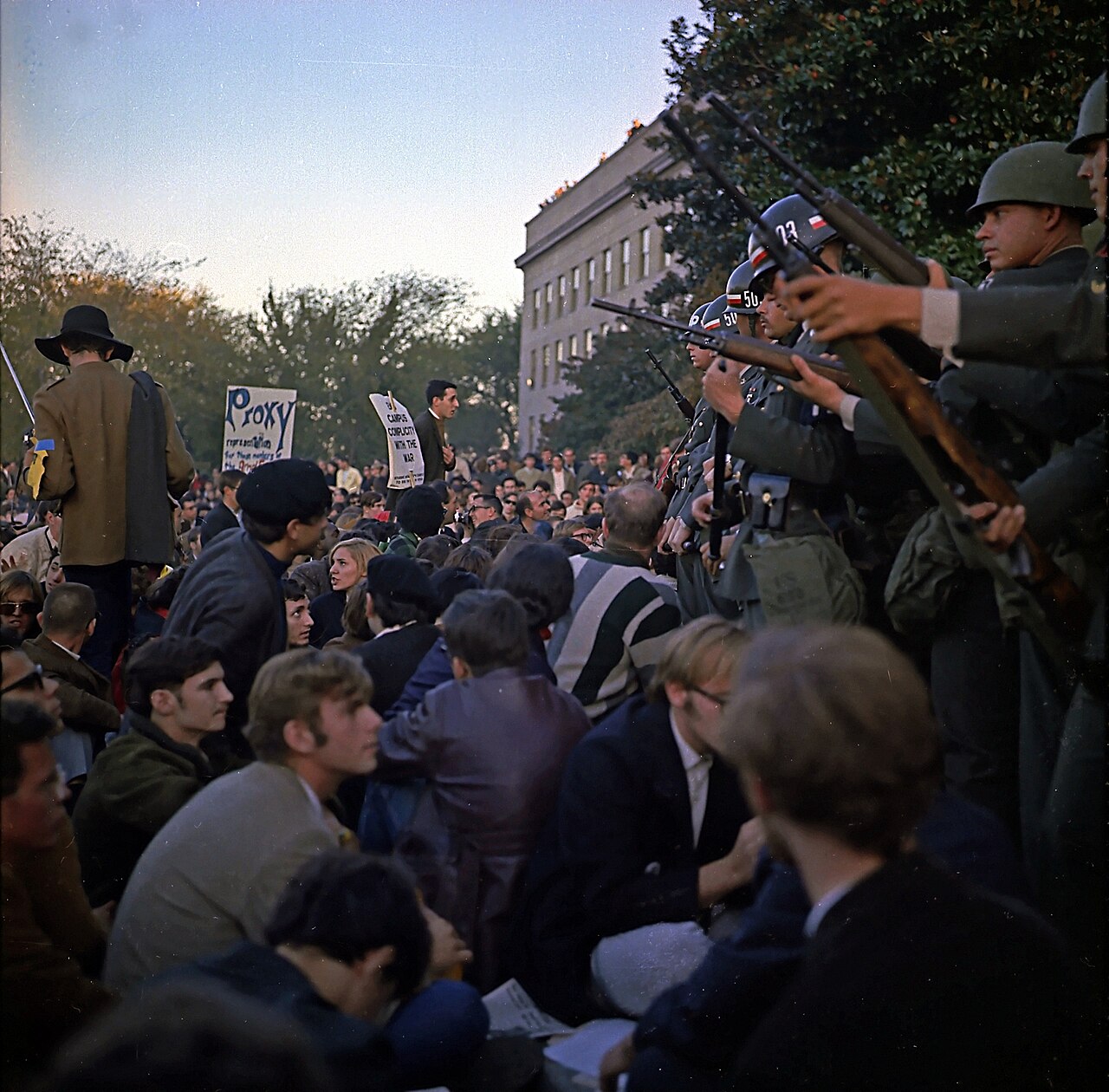

Common characteristics
While diverse in content, countercultures often share patterns that distinguish them from mere fashion or niche hobbies. Typical features include:
- Oppositional values: explicit disagreement with core social institutions or dominant moral codes.
- Alternative lifestyles: experiments in living arrangements, work, dress, or family structures.
- Distinctive communication: new music, art, language, or media that express group identity.
- Collective action: protests, communal projects, or networks that try to change public opinion or policy.
History and development
Countercultural tendencies have existed across eras, but the modern usage often points to 20th-century movements that became visible with mass media and global travel. Well-known examples include the Beat writers and artists in the mid-20th century, the broad youth movements of the 1960s such as the hippies, and later currents like punk and certain environmental or digital networks. These waves arose from social change—urbanization, economic shifts, wars, and technological innovation—that created generational tensions and new venues for organizing.
Examples and influence
Countercultures have influenced mainstream culture in many ways: music and fashion trends migrate from margins to mass markets; ideas about civil rights, gender, and personal autonomy can shape laws and institutions; and recreational or experimental practices—some involving altered states or recreational substances—enter public debate. References to drug use appear in many historical accounts; for instance, debates around recreational drugs were prominent among several 20th-century countercultural groups and continue to inform public policy discussions (see debates).
Distinctions and notable facts
It helps to distinguish counterculture from subculture and mainstream culture. A subculture may simply be a distinct set of tastes or practices that coexists with dominant values, while a counterculture actively seeks to replace or reject those values. Not every alternative community is countercultural—some are complementary or commercially absorbed by the mainstream. Over time, elements of a counterculture often become normalized, blurring boundaries between rebellion and fashion.
Understanding counterculture requires attention to context: motives vary from utopian experiments in communal living to political resistance, and outcomes range from lasting social reform to temporary stylistic movements. For further reading in academic and cultural studies, consult introductory texts in sociology and cultural history or follow contemporary analyses available through general resources and archives (psychology, sociology, 1960s studies, hippie culture, drug policy debates).
Related articles
Author
AlegsaOnline.com Counterculture: definitions, history, and social influence Leandro Alegsa
URL: https://en.alegsaonline.com/art/23480