
Lebanon: geography, history, society and economy
Lebanon is a small Mediterranean country in Western Asia. This article summarizes its geography, history, social structure, economy, and notable facts.
Overview
Lebanon is a country on the eastern shore of the Mediterranean Sea. It is commonly described as part of the Middle East and Western Asia; its coastal position on the Mediterranean Sea has shaped its climate and history. The state sits in a narrow strip of land and shares borders with neighboring countries: Israel to the south and Syria to the east and north. Its capital is Beirut, long a regional commercial and cultural hub.
Image gallery
10 Images




Geography and regions
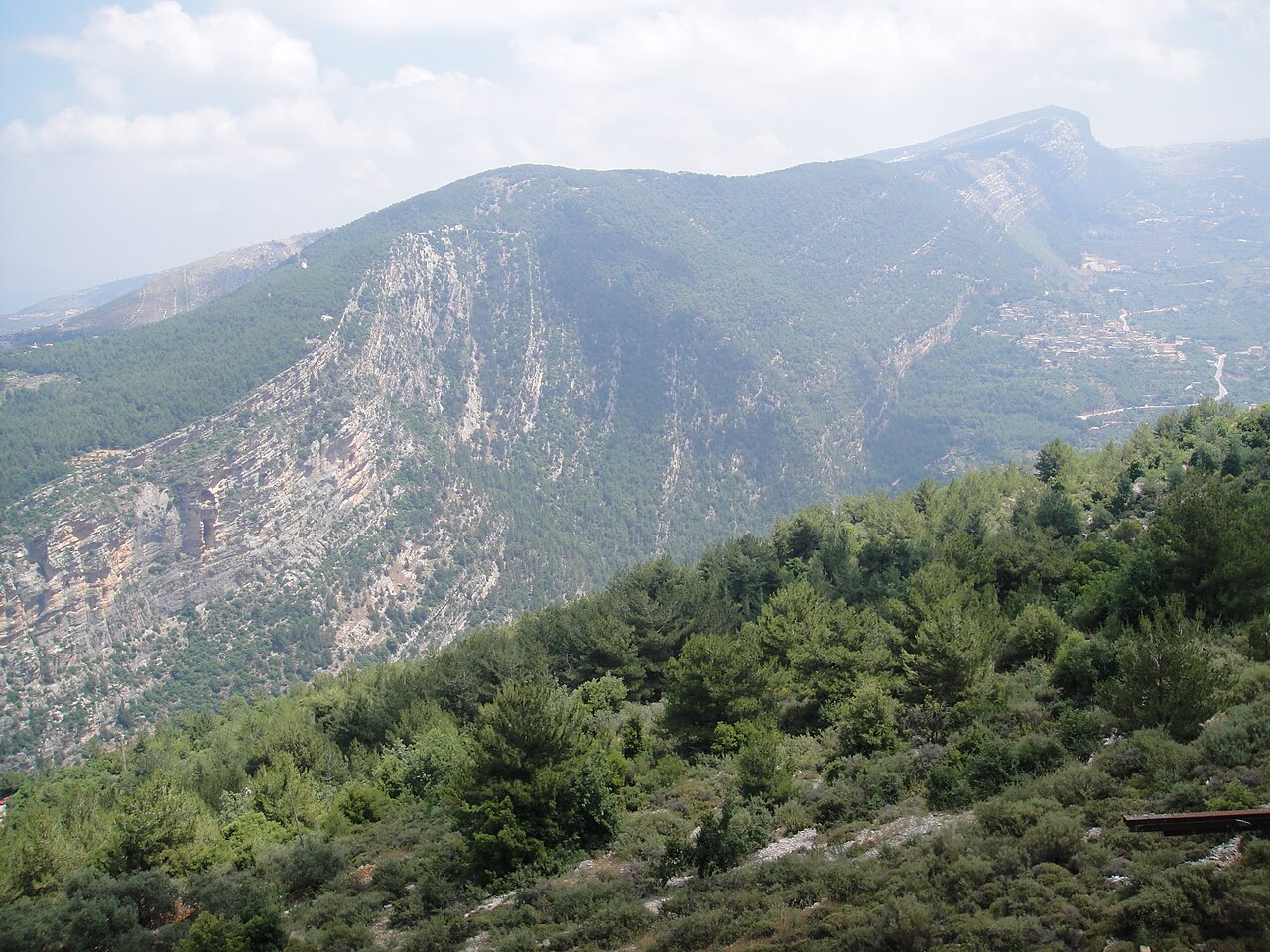
Lebanon's terrain combines a coastal plain, a high mountain range (the Lebanon Mountains), and the inland Bekaa Valley. These features produce varied microclimates, allowing Mediterranean agriculture such as olives, citrus, and grapes alongside higher-altitude forests. The mountain chains run parallel to the coast and have historically influenced settlement patterns and travel routes.
History and development
Lebanon's history spans ancient Phoenician city-states, periods of foreign rule, Ottoman administration, and a 20th-century mandate before independence. In the late 20th century the country experienced a prolonged civil war and repeated regional conflicts that affected its infrastructure and demography. Reconstruction efforts and political reforms have been intermittent amid ongoing regional challenges.
Society, politics and economy
Lebanese society is religiously and culturally diverse, with major communities including various Christian denominations, Sunni and Shia Muslims, and the Druze. Political life is shaped by a confessional system that apportions power among religious groups. The economy blends services (banking, trade, tourism), agriculture, and remittances from a large diaspora; Beirut has long been a financial center for the region.
Languages, culture and notable facts
- Languages: Arabic is the official language; French and English are widely used in education, media, and commerce.
- Culture: Lebanon is noted for its literature, cuisine, music, and a vibrant diaspora that maintains strong ties to the homeland.
- Notable issues: political fragmentation, infrastructure needs, and economic instability have been significant challenges in recent decades.
For additional context on regional geography and borders, see resources linked to the terms Middle East, Western Asia, and the Mediterranean Sea.
Related articles
Author
AlegsaOnline.com Lebanon: geography, history, society and economy Leandro Alegsa
URL: https://en.alegsaonline.com/art/56839
Sources
- presidency.gov.lb : "The Lebanese Constitution"
- un.org : "World Population Prospects, Table A.1"
- imf.org : "Lebanon"
- hdr.undp.org : "HDRO (Human Development Report Office) United Nations Development Programme"
- adcidl.com : "Driving in Lebanon"
- cia.gov : "The World Factbook"
- lebanon.usaid.gov : "USAID Lebanon—Definitions of Terms used"