
Mindanao: geography, peoples, history and significance
Mindanao is the southern major island group of the Philippines, noted for diverse landscapes, mixed Indigenous, Muslim and Christian populations, complex history, and economic and ecological importance.
Mindanao is the southernmost of the Philippines' three principal island groups and includes a large main island plus many smaller islands. It forms a substantial portion of the nation's land area and agricultural output, and is often referred to simply as "the south." As one of the country's three main island groups, traditionally listed alongside Luzon and the Visayas, Mindanao occupies a central place in the geography and history of the Philippines. It lies to the northeast of Sabah and has long been a crossroads of trade, migration and cultural exchange.
Image gallery
10 Images


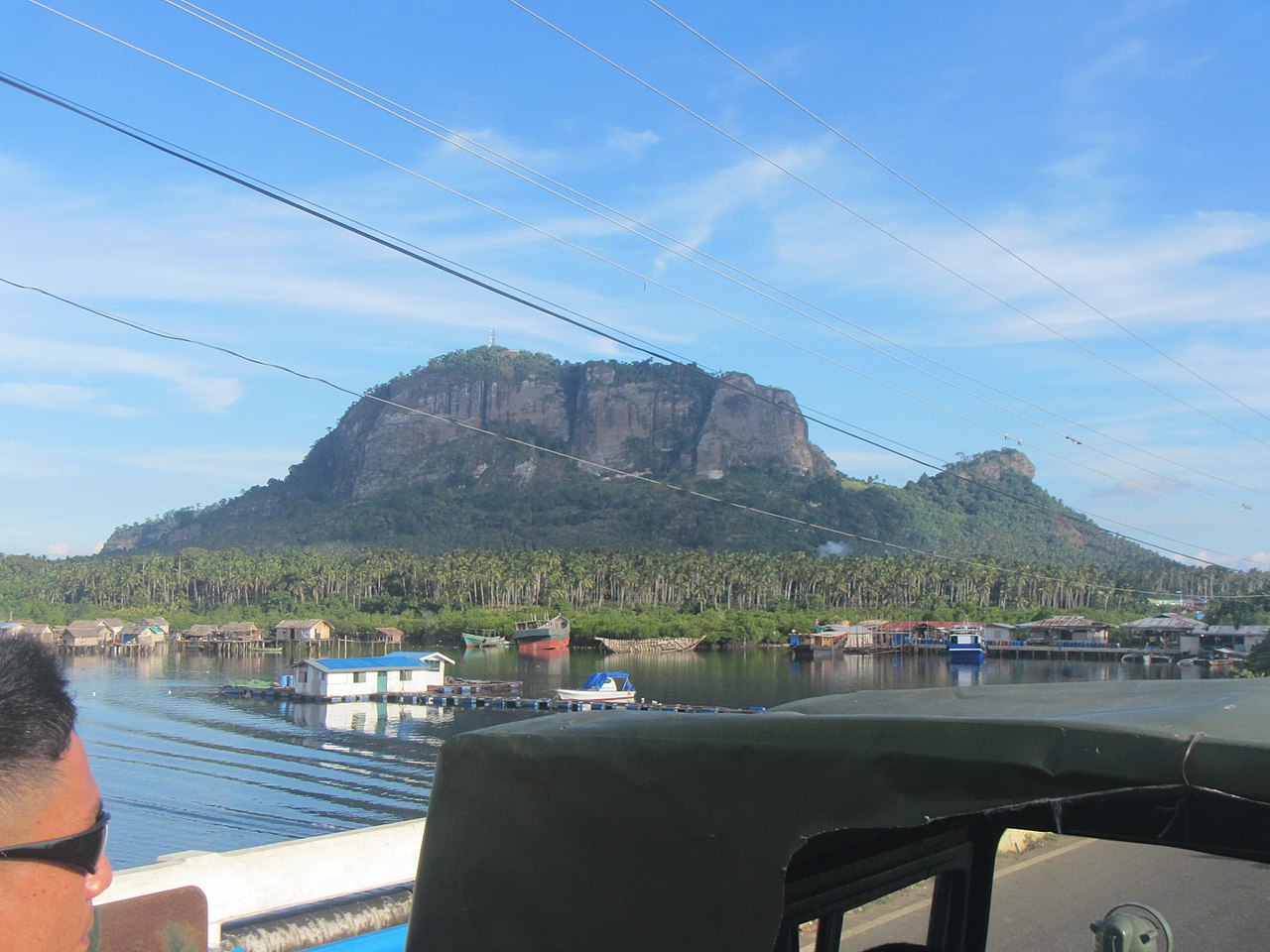


Geography and natural features
Mindanao's terrain is varied: volcanic peaks and mountain ranges, including Mount Apo (the highest peak in the country), extensive river systems such as the Agusan, broad coastal plains, and offshore coral islands. Much of the region has a tropical climate with distinct wet and dry periods, and soils and rainfall patterns support large-scale agriculture for crops such as coconuts, bananas and rice. Upland forests and remaining tracts of primary forest host numerous endemic species, including the critically important Philippine eagle, making Mindanao a key area for biodiversity conservation.
Population, cultures and languages
The population of Mindanao is culturally and ethnically diverse. Indigenous groups commonly referred to as Lumad inhabit upland areas and maintain distinct languages and traditions. Moro communities, many of whom are Muslim and have historical ties to sultanates such as Maguindanao and Sulu, are concentrated in parts of the west and southwest. Large numbers of settlers from Luzon and the Visayas also live across the island, creating a mix of languages and religious practices—Islam, various Christian denominations and indigenous beliefs all coexist. Major urban centers include Davao City, Cagayan de Oro and Zamboanga City, which serve as economic and cultural hubs.
History and political development
Prior to and during early colonial periods, parts of Mindanao were governed by influential Muslim polities, while other areas were organized by local chiefdoms. Spanish colonial influence was limited in many Muslim-majority zones, and later periods under American rule, wartime occupation, postwar government policies and waves of internal migration reshaped demographic patterns. In response to long-standing demands for greater self-governance, contemporary political arrangements have included autonomy measures and the establishment of the Bangsamoro Autonomous Region as part of efforts to address historical grievances and promote local governance and development.
Economy, transport and cities
The regional economy rests on agriculture, fisheries, forestry and mineral resources, with important exports of fruit, coconut products and seafood. Ports, roads and airports connect Mindanao's producers to domestic and international markets, and several economic zones and infrastructure projects aim to improve connectivity. Urban centers combine commercial services, education and industry, while rural areas remain heavily dependent on land and sea resources for livelihoods.
Environment, conservation and contemporary issues
Conservation challenges in Mindanao include deforestation, habitat loss, and pressures from expanding agriculture and mining. At the same time, initiatives by government, local communities and civil society seek to protect watersheds, conserve forest reserves and safeguard endangered wildlife. Social and political issues—land rights, the protection of indigenous cultures, development planning and conflict resolution—are prominent in public discourse and inform efforts to pursue inclusive and sustainable development.
Notable distinctions
- One of the Philippines' three main island groups: Luzon, Visayas, Mindanao.
- Integral to the national story of the Philippines in terms of culture, economy and politics.
- Geographically proximate to neighboring Borneo regions, with historic links to areas such as Sabah.
Related articles
Author
AlegsaOnline.com Mindanao: geography, peoples, history and significance Leandro Alegsa
URL: https://en.alegsaonline.com/art/65151