
Oman: overview, geography, history, and culture of the Sultanate
Oman is a sovereign state on the southeastern Arabian Peninsula. This article summarizes its geography, government, history, economy, society, and cultural highlights, with links to further resources.
Overview
The Sultanate of Oman is a country on the southeastern edge of the Arabian Peninsula. Its coastline opens onto the Arabian Sea and the Gulf of Oman, and the capital city is Muscat. Oman occupies a strategic maritime position between Africa and Asia and has a population commonly referred to as Omanis. The state is governed as a monarchy led by a Sultan, currently Haitham bin Tariq Al Said. Modern Oman blends traditional institutions with administrative reforms and plays a regional role in diplomacy and trade.
Image gallery
10 Images





Geography and environment
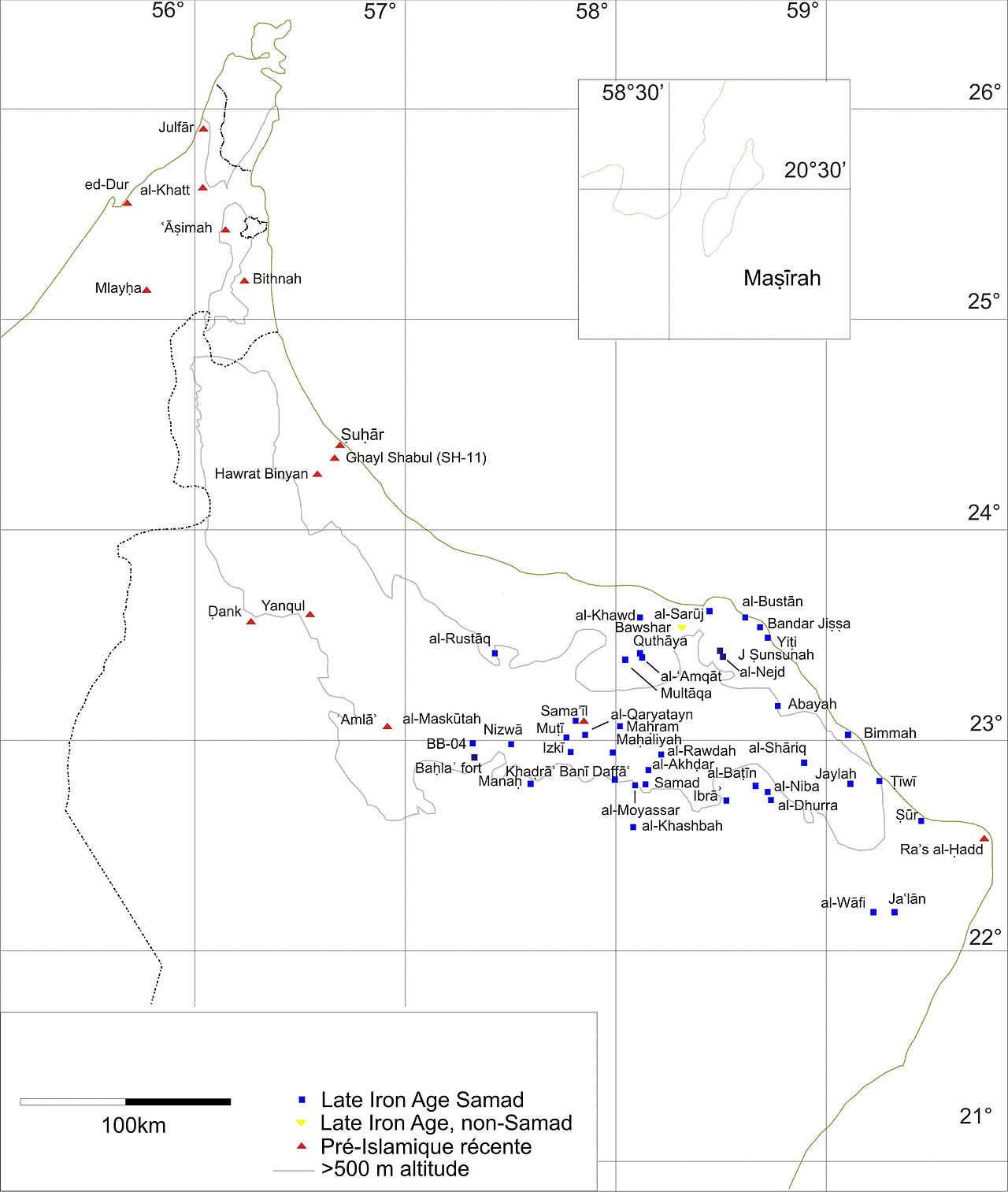
Oman sits in southwestern Asia, on the southeastern coast of the Arabian Peninsula. It shares land borders with the United Arab Emirates to the northwest, Saudi Arabia to the west, and Yemen to the southwest. The country’s landscape includes arid coastal plains, desert interiors, and mountain chains that receive seasonal rainfall. These varied environments support fisheries, date cultivation in oases, and pockets of biodiversity along wadis and coastal areas.
History and political development
Oman has a long history as a center of maritime trade, with historical links across the Indian Ocean. During the 19th and 20th centuries, Omani rulers maintained significant autonomy while interacting with European powers. Britain had a close relationship with the sultanate for much of that period and provided military and diplomatic support at times. In the mid-20th century, Oman experienced internal conflicts including an insurgency in the southern province, sometimes referred to in historical accounts as a revolution or rebellion; those episodes were shaped by regional politics and efforts to reform governance. Some narratives frame these struggles in terms of grievances and oppression, while others emphasize state-building and modernization that followed.
Government and society
The sultanate system concentrates executive authority in the monarch, but recent decades have seen gradual administrative and economic reforms. The government maintains traditional institutions alongside ministries and development plans. Omani society places importance on family, tribal ties, and Islamic practice—Oman is particularly associated with the Ibadi school of Islam, which influences social and religious life. The country’s leaders have worked to balance modernization with preservation of cultural identity.
Economy, trade, and daily life
Oman’s economy has been shaped by hydrocarbon production, but the government has pursued diversification to reduce dependence on oil and gas. Key economic activities include petroleum and natural gas extraction, fishing, small-scale agriculture (notably date palms), shipping, and growing tourism focused on heritage, landscapes, and coastal recreation. Ports and maritime services are important because of Oman’s location along major sea routes. Infrastructure and workforce development remain priorities for national planning.
Culture, heritage, and notable facts
Omani culture blends Arab, Persian, African and South Asian influences, visible in music, dress, cuisine, and architecture. Traditional crafts such as silverwork and incense handling reflect the country’s historical participation in trade in goods like frankincense. Visitors and students of the region often note Oman’s relative political stability, its maritime traditions, and its role as a regional interlocutor; international relationships have included longstanding ties with the British and active engagement with neighboring states. For concise reference, useful topics to explore further include governance institutions, environmental conservation, and the historical episodes that shaped modern Oman.
- Key geographic facts: coastline on the Arabian Sea and Gulf of Oman, mountains and desert interiors.
- Neighbors and borders: UAE, Saudi Arabia, Yemen.
- Government: ruled by a Sultan within a monarchical framework; capital at Muscat.
- History: long maritime trade history, 20th-century reforms and conflicts described in sources as a revolution or response to oppression, and historical ties with the British.
- Further context: Oman’s regional location in southwestern Asia and on the Arabian Peninsula.
Related articles
Author
AlegsaOnline.com Oman: overview, geography, history, and culture of the Sultanate Leandro Alegsa
URL: https://en.alegsaonline.com/art/72486
Sources
- omanet.om : "Cabinet Ministers" · webcitation.org
- encarta.msn.com : encarta.msn.com/encyclopedia_761561099_7/Oman.html
- ncsi.gov.om : "Final Results of Census 2010"
- imf.org : "Oman"
- undp.org : Human Development Report 2011
- omanet.om : Governorates of Sultanate Of Oman
- khaleejtimes.com : Seven new divisions created in Oman
- timesofoman.com : Seven governorates, officials named