
State of Palestine
A political entity that claims the West Bank, Gaza Strip and East Jerusalem; recognized by many UN members and holding non-member observer status at the United Nations.
The State of Palestine is a modern political entity in the Middle East that claims sovereignty over the West Bank, the Gaza Strip and East Jerusalem. In international law discussions it is often described as de jure recognized by a majority of countries, while its effective control on the ground is uneven and contested. Many states and bodies refer to it as a sovereign state even though full control of the claimed territory is not consolidated.
Image gallery
10 Images


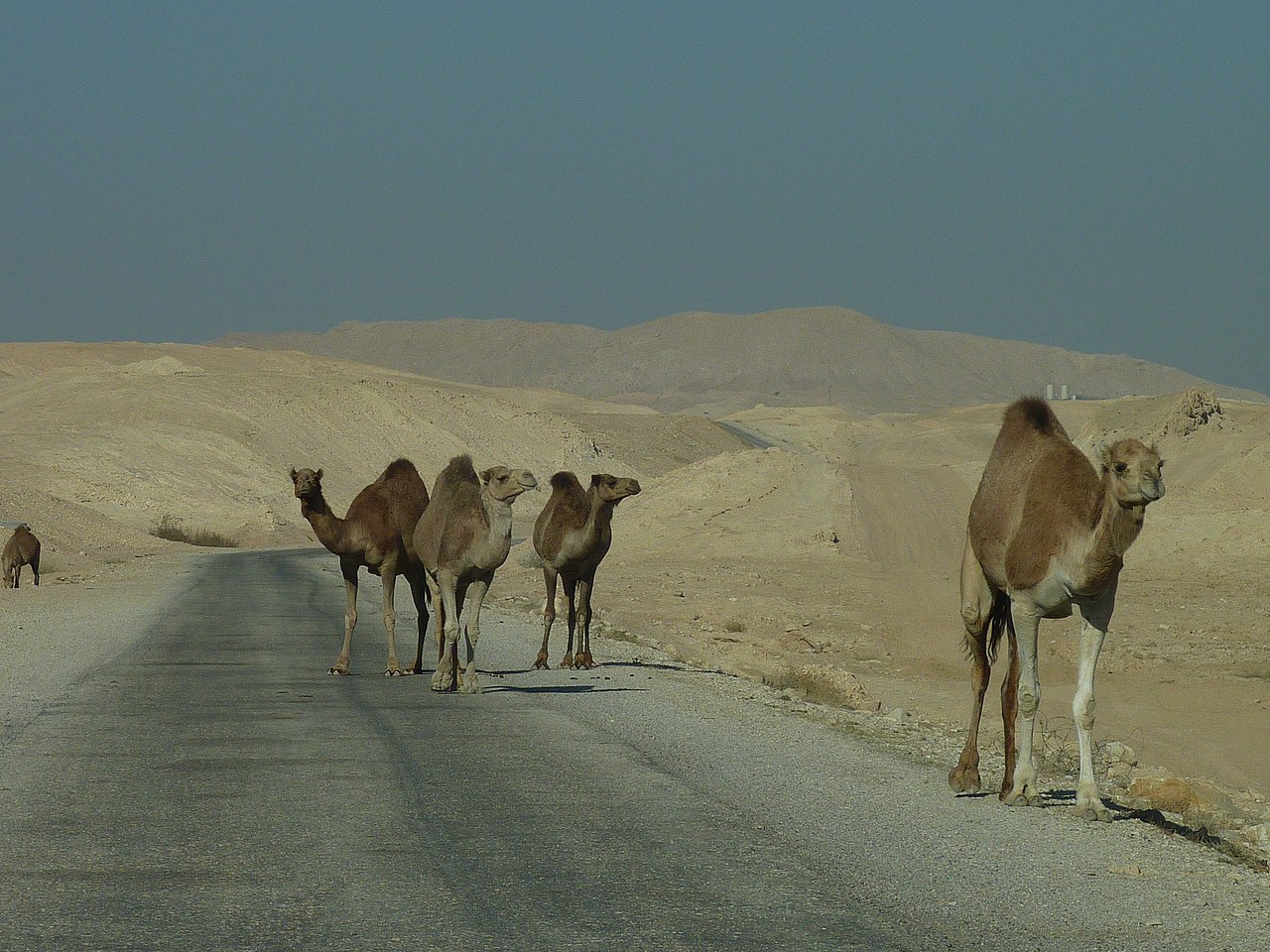


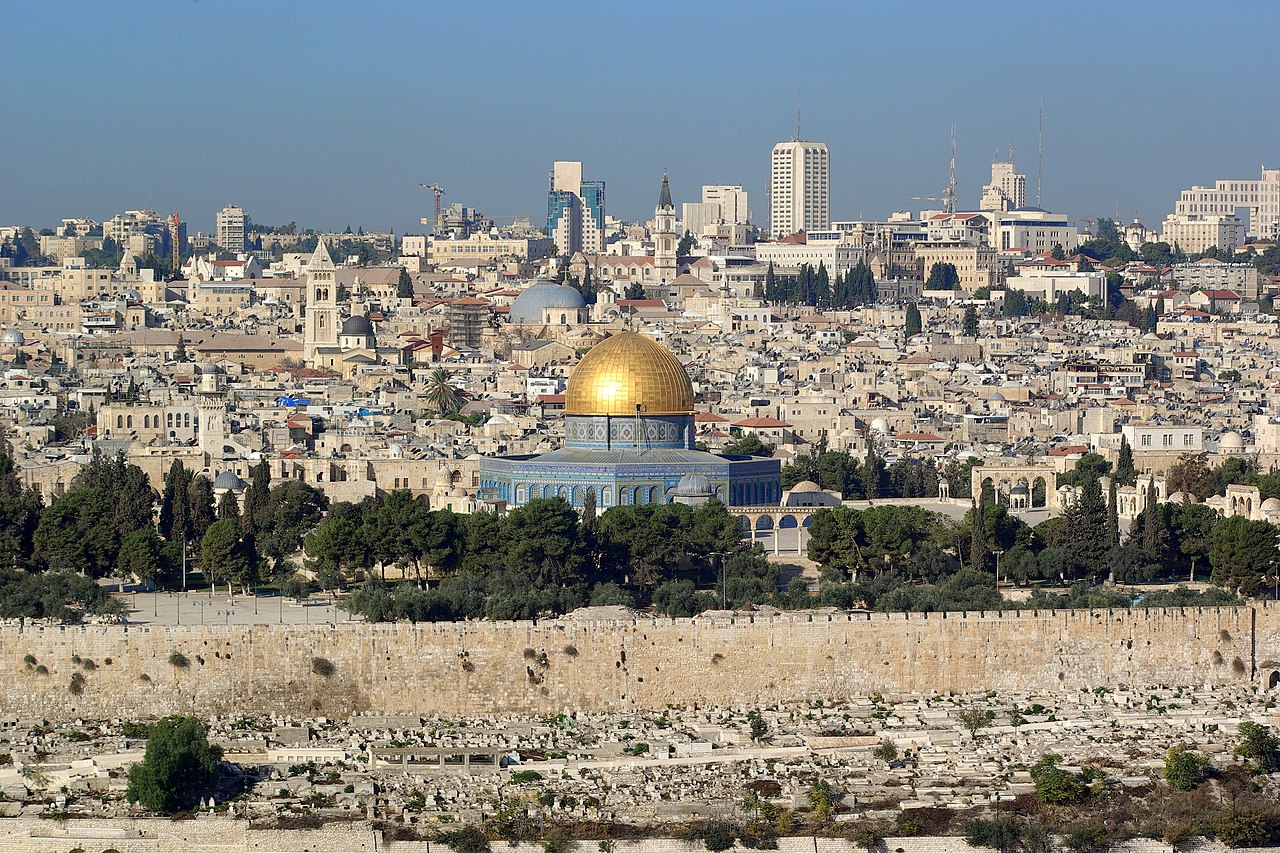

Territory and governance
Palestinian institutions administer parts of the West Bank under arrangements that followed the Oslo Accords, while the Gaza Strip has been governed separately since 2007. The Palestine Liberation Organization (PLO) declared an independent State of Palestine in 1988; later, the Palestinian Authority (PA) carried out limited civil responsibilities in areas of the West Bank. The city of East Jerusalem is claimed as the capital by the Palestinian leadership, a claim that is central to the dispute with Israel.
International recognition and status
As of the early 21st century the State of Palestine enjoys diplomatic recognition from many countries and non-governmental organizations. It was granted non-member observer state status at the United Nations in 2012, a move that amounted to an enhanced international standing but not full UN membership. Observers and analysts distinguish that status from de facto control or full sovereign authority across the claimed territories.
History and development
The modern Palestinian national movement grew during the 20th century; key milestones include the PLO's political role, the 1988 declaration of independence, and negotiations and agreements in the 1990s that produced interim governance arrangements. Since then, peace talks, security arrangements, and periodic conflicts have shaped the evolving situation on the ground.
Territorial components
- West Bank — area of mixed Palestinian administration, Israeli military control in parts, and Israeli settlements.
- Gaza Strip — densely populated coastal territory under separate governance, subject to blockades and recurrent conflict.
Internationally, the State of Palestine is significant for diplomacy, humanitarian concerns, and regional stability. Key issues include borders, the status of Jerusalem, refugees, security arrangements, and mutual recognition. The situation remains dynamic: legal recognition, international institutions, and on-the-ground realities continue to shape the prospects for a negotiated resolution.
Questions and answers
Q: Where is the State of Palestine located?
A: The State of Palestine is located in the Middle East.
Q: What is the official capital of the State of Palestine?
A: The State of Palestine claims East Jerusalem as its capital.
Q: How many United Nations members recognize the State of Palestine?
A: The State of Palestine is recognized by 141 United Nations members.
Q: What is the status of the State of Palestine in the United Nations?
A: Since 2012, the State of Palestine has non-member observer status in the United Nations.
Q: What does the non-member observer status of the State of Palestine in the United Nations amount to?
A: The non-member observer status of the State of Palestine in the United Nations amounts to a de facto, or implicit, recognition of statehood.
Q: What territories does the State of Palestine claim as its own?
A: The State of Palestine claims the West Bank and the Gaza Strip as its territory.
Q: When was the independence of the State of Palestine declared?
A: The independence of the State of Palestine was declared on 15 November 1988.
Related articles
Author
AlegsaOnline.com State of Palestine Leandro Alegsa
URL: https://en.alegsaonline.com/art/93517
Sources
- worldstatesmen.org : "Palestinian National Authority" · web.archive.org
- nationalanthems.info : "Palestine" · web.archive.org
- un.org : "Ban sends Palestinian application for UN membership to Security Council" · web.archive.org
- jiis.org : "Jerusalem: Some Legal Issues"
- un.int : "Declaration of Independence (1988) (UN Doc)"
- israelnationalnews.com : "PA Weighs 'State of Palestine' Passport" · web.archive.org
- news.yahoo.com : "State of Palestine name change shows limitations" · web.archive.org
- unstats.un.org : "Table 3, Population by sex, annual rate of population increase, surface area and density"