
Far East: meaning, history, and modern usage
Overview of the term “Far East”: origin in European imperial geography, typical scope (East and Southeast Asia), language equivalents, changing usage and modern perspectives on the label.
Overview
The term Far East has traditionally referred to the countries of East Asia and Southeast Asia. It became common in English during the era of the British Empire, used to denote lands lying east of British India. The phrase reflects a European point of view and in some older texts is paired with corresponding labels such as the Near East and the Middle East; the term also appears in travel writing, diplomatic reporting and commercial contexts of the 19th and early 20th centuries. Some usages in English are explicitly dated or historical, and the label is sometimes preserved for continuity in institutional names and archival collections. The word order and tone of the expression have led to critique in modern scholarship and public discourse, prompting alternatives and qualifiers in many contexts — see, for example, how the term appears in general English-language usage and historiography here.
Image gallery
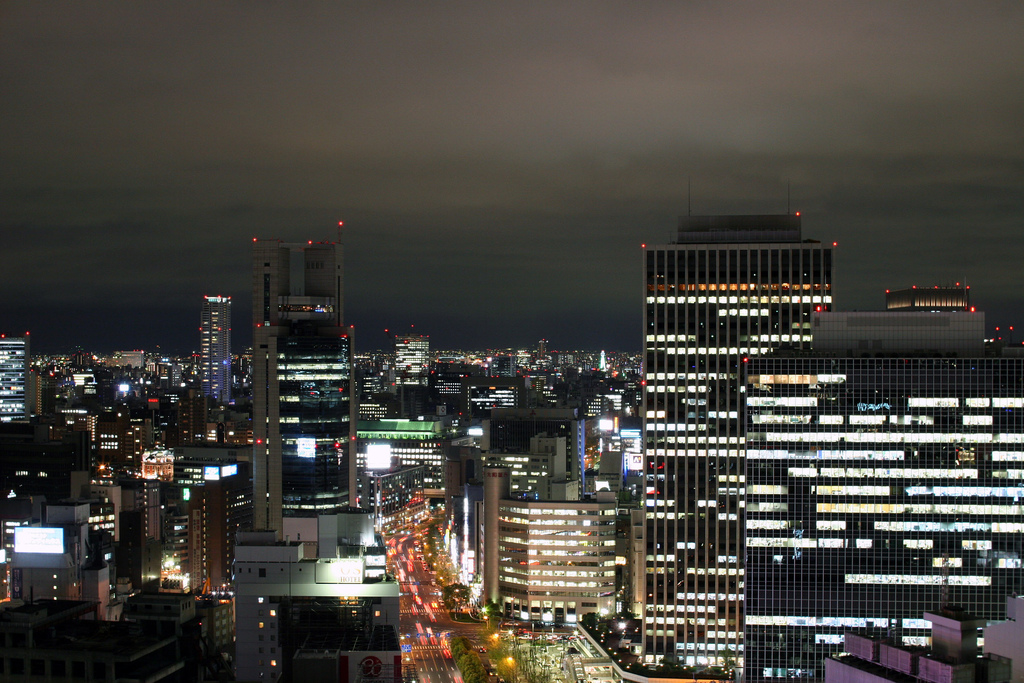
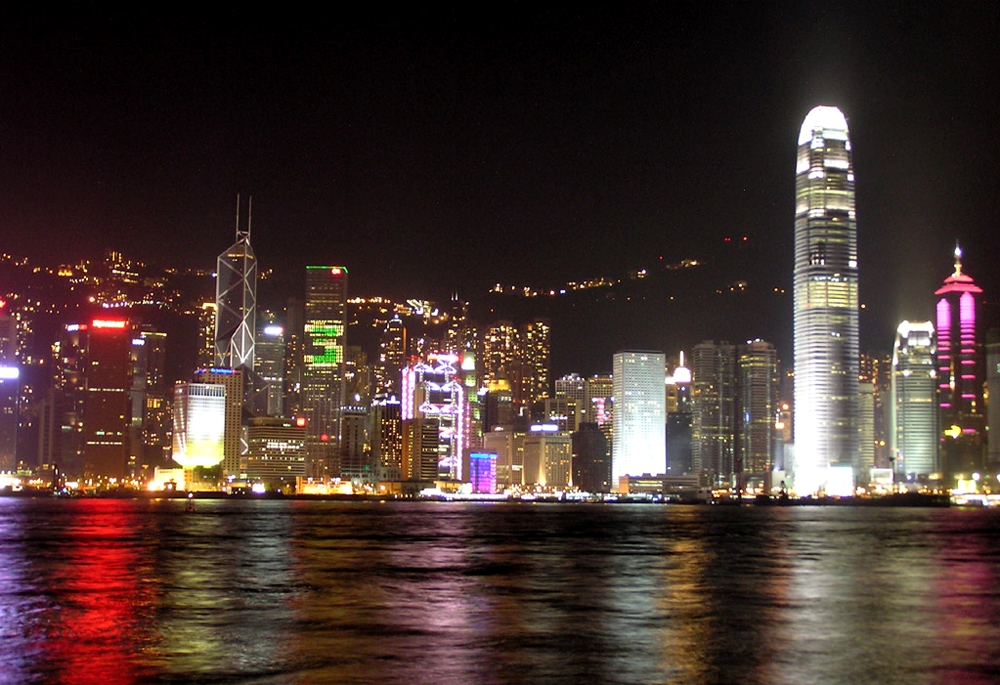
10 Images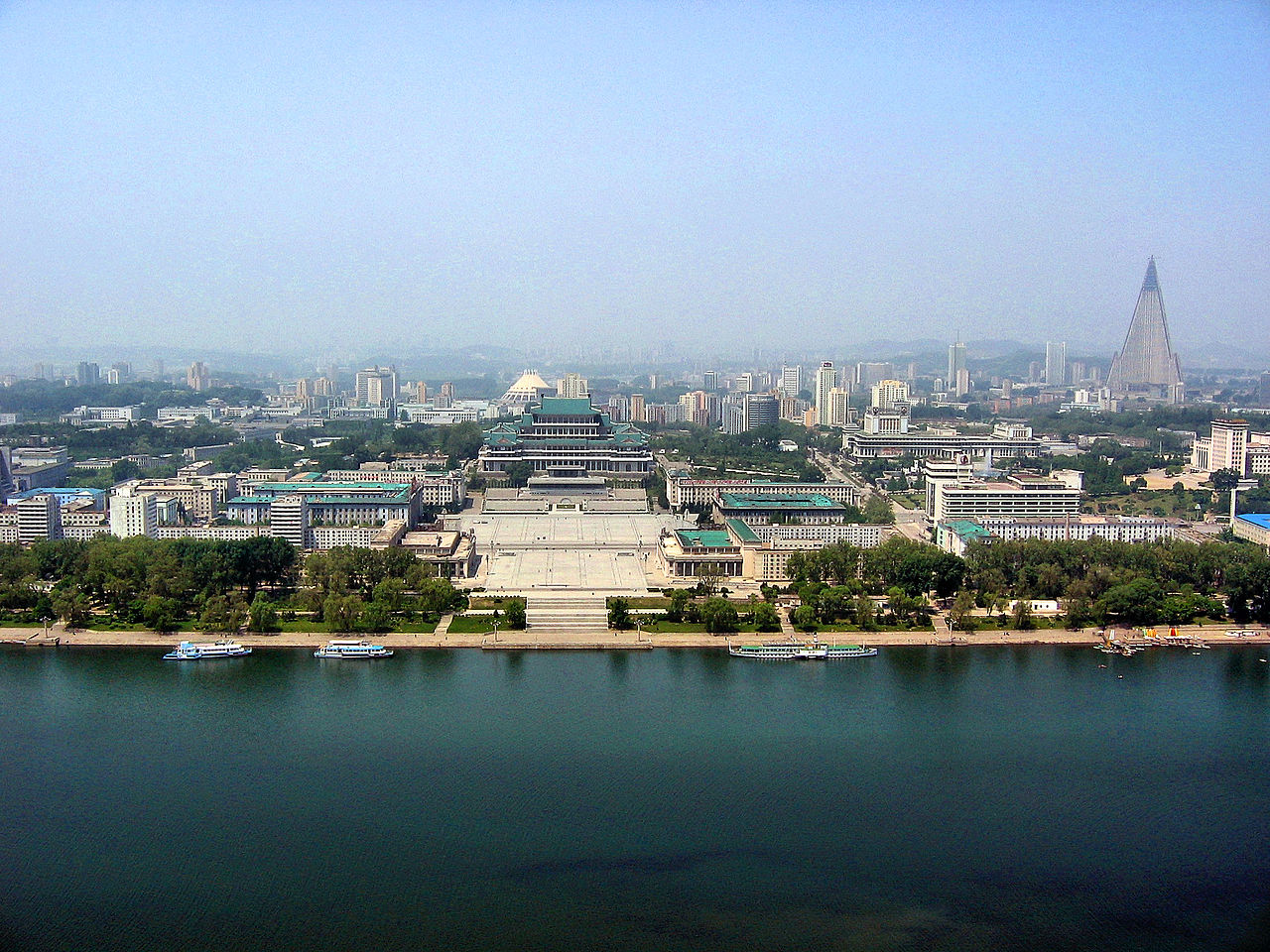




Origins and historical context
European cartography and imperial administration shaped a set of regional labels—Near East, Middle East and Far East—that placed regions at increasing distance from Europe. Prior to and through World War I, the Near East typically signified lands associated with the Ottoman Empire, while the Middle East covered parts of northwestern South Asia and Central Asia. The Far East became the catchall for countries and ports along the western Pacific and, in some usages, parts of the eastern Indian Ocean. In diplomacy, shipping schedules, missionary reports and newspapers of the time the tripartite division simplified long-distance communication, though it also embodied geopolitical assumptions and a Europe-centered mental map.
Geographic scope and typical contents
There is no precise, universally accepted border for the Far East. Commonly included are states commonly classed under East Asia (for example, China, Japan and the Korean peninsula) and the states and archipelagos of Southeast Asia. The label sometimes reaches into maritime zones and island groups along the western Pacific and parts of the eastern Indian Ocean. By convention the term excludes the culturally Western settler states of Oceania: Australia and New Zealand are not treated as part of the Far East in standard usage despite being farther east on some map projections.
Language equivalents and international usage
Many European languages have comparable terms that translate as Far East, demonstrating the concept's broad historical currency. Examples include French Extrême-Orient, Spanish Extremo Oriente, Portuguese Extremo Oriente, German Ferner Osten, Italian Estremo oriente, and Dutch Verre Oosten. Each term carries much the same geographic implication within its language, and all share the characteristic of naming a region in relation to Europe rather than by internal geographic or cultural criteria.
Modern usage and critique
In contemporary academia, diplomacy and media the use of "Far East" has declined because the expression is imprecise and rooted in a Eurocentric outlook. Writers and institutions increasingly prefer specific regional names—"East Asia," "Southeast Asia," or the broader "Asia-Pacific"—when accuracy matters. The term persists in historical writing, older reference works, archival descriptions and some corporate or museum names, where it denotes a historical framing rather than a recommended modern classification. Readers are advised to check context: a nineteenth-century travel account, a twentieth-century map or an institutional title may use the phrase without intending a present-day geopolitical claim.
Practical distinctions and recommendations
When encountering the term, consider whether a more precise label would be clearer. Use "East Asia" or East Asia when referring to China, Japan, Korea and nearby areas; choose Southeast Asia for the mainland and maritime states to the south and southeast; and prefer "Asia-Pacific" in discussions that link parts of East and Southeast Asia with Pacific islands, Australia or trans‑Pacific economic relations. Historical discussions may retain "Far East" to reflect period usage, while acknowledging the term's origins in European mapping and imperial relations. For further historical background and comparative region names see specialized treatments and reference materials here.
Questions and answers
Q: What does the term Far East mean?
A: The term Far East is used to refer to countries of East Asia and Southeast Asia.
Q: When did the term become used in English?
A: The term became used in English during the period of the British Empire for lands east of British India.
Q: What was meant by Near East before World War I?
A: Before World War I, Near East referred to relatively nearby lands of the Ottoman Empire, northwestern South Asia and Central Asia, and Far East countries along the western Pacific Ocean and countries along the eastern Indian Ocean.
Q: Do other European languages have similar terms for Far East?
A: Yes, other European languages have analogous terms such as French Extrême-Orient, Spanish Extremo Oriente, Portuguese Extremo Oriente, German Ferner Osten, Italian Estremo oriente, and Dutch Verre Oosten.
Q: Is Far East ever used for Australia or New Zealand?
A: No, Far East is never used for Australia or New Zealand which lie even farther east than much of East Asia.
Related articles
Author
AlegsaOnline.com Far East: meaning, history, and modern usage Leandro Alegsa
URL: https://en.alegsaonline.com/art/33498
Sources
- askoxford.com : askoxford.com/concise_oed/fareast?view=uk