
Kuwait: geography, history, economy, society and environment
Concise overview of Kuwait: location, history, political system, oil-driven economy, society and culture, environmental challenges, and notable facts for further reading.
Overview
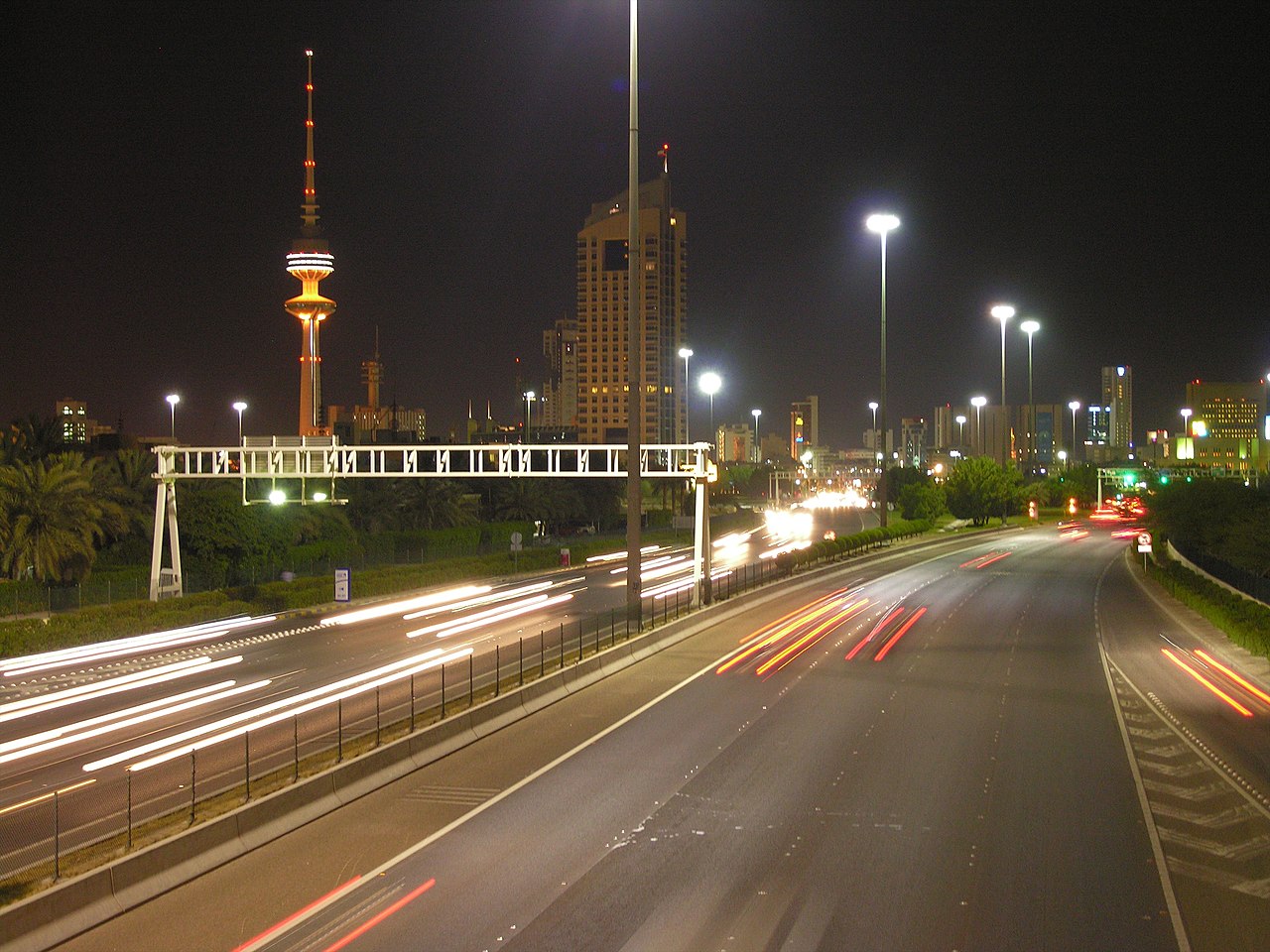
Kuwait is a small, oil-rich country on the northwestern shore of the Persian Gulf in the Middle East. Its capital and largest city is Kuwait City. The state is a constitutional emirate headed by an emir and includes an elected legislature known as the National Assembly. Despite a modest land area, Kuwait has played an outsized role in regional politics and global energy markets because of its substantial petroleum resources. The population combines Kuwaiti citizens and a large expatriate community; Arabic is the official language and Islam is the predominant religion, while English is widely used in business and education.
Image gallery
10 Images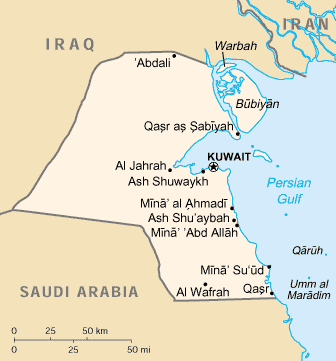



Geography and climate
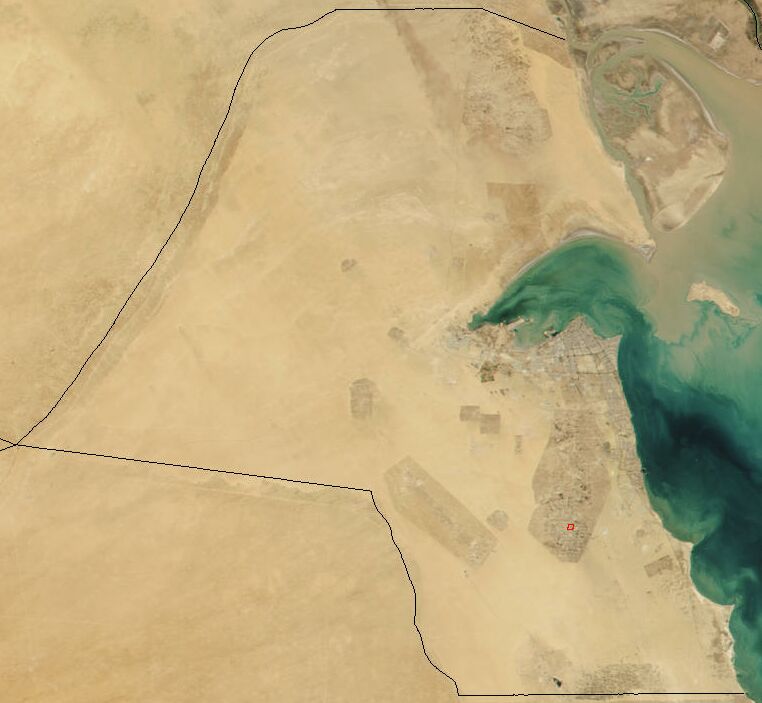
Kuwait is largely flat and arid, with sandy desert terrain and a coastline that supports ports and fishing. Rainfall is scarce and seasonal, temperatures are typically very hot in summer and mild in winter, and natural freshwater is limited. To meet urban and agricultural demand, Kuwait relies heavily on groundwater where available and on large-scale desalination plants to produce potable water. Coastal and marine habitats in the northern Gulf include mudflats and reefs that support fisheries and migratory birds, but these environments are vulnerable to industrial pollution and temperature changes.
History and political development
The modern political entity of Kuwait emerged in the 18th and 19th centuries as a trading port and later developed under an Al-Sabah ruling family. Kuwait became a British protectorate in the early 20th century and gained full independence in 1961. The discovery and exploitation of oil transformed the economy and infrastructure. In 1990 Kuwait was invaded by neighboring Iraq, an occupation that ended after a US-led international coalition liberated the country in 1991; reconstruction followed and Kuwait reasserted sovereignty while deepening ties with international institutions.
Economy and resources
Kuwait’s economy is dominated by the oil and gas sector, which provides the bulk of export earnings and government revenue and funds extensive public services and infrastructure. The state manages oil production and invests sovereign wealth to smooth economic cycles and provide for future generations. Over recent decades Kuwait has pursued limited diversification—encouraging finance, construction, and services—and engaged in discussions with foreign partners about developing additional fields and upgrading refining and export facilities. Agriculture is minimal because of climate constraints, so much of the country’s food is imported.
Society, culture and institutions
Kuwaiti society blends traditional Arab cultural practices with modern urban lifestyles. The education system provides free schooling and higher-education opportunities for citizens, and literacy rates are high. The media and civil society in Kuwait are comparatively active within the Gulf region; political life features debates in the National Assembly, and there have been gradual social and legal reforms, including expanded rights for women in recent decades. A large proportion of the workforce consists of expatriate laborers from across Asia and the Arab world, shaping the country’s cultural and economic life.
Environment, infrastructure and challenges
Kuwait faces environmental challenges common to arid, oil-producing states: dependence on desalination for water, vulnerability of coastal ecosystems, air pollution from industry and shipping, and the long-term risks of climate change. The country invests heavily in energy and transport infrastructure, public health, and social welfare, but continues to evaluate policies to diversify income, improve sustainability, and reduce the economy’s sensitivity to oil price swings.
Notable facts and further reading
For accessible, topic-specific resources and official information, see the list below:
- Geography overview
- Area and physical features
- Regional context in the Middle East
- Economic profile
- Energy and reserves
- Crude oil industry
- Trade and exports
- Climate and rainfall
- Fisheries and marine life
- Food imports
- Water resources
- Desalination and technology
- Salinity issues
- 1990–1991 invasion and aftermath
- Regional relations
- Military and security
- Gulf War background
- Religion and society
- Religious minorities
- Language and education
Questions and answers
Q: What is the size of Kuwait?
A: Kuwait is about 17,819 square kilometers.
Q: What type of economy does Kuwait have?
A: Kuwait has a small and rich economy.
Q: How much of the world's oil reserves are in Kuwait?
A: Kuwait has 10% of all of the oil reserves in the world.
Q: How much money does Kuwait make from selling oil?
A: The money made from selling oil is almost half of all the money that the country makes. It also accounts for 95% of exports and 80% of government revenue.
Q: What other activities does Kuwait engage in besides farming due to its weather conditions?
A: Due to its weather conditions, instead of farming, Kuwait catches fish and buys food from other countries. About 75% of the country's water to drink has to be distilled or purchased from other countries.
Q: What was Iraq's involvement with Kuwait in 1990?
A: In 1990, Iraq invaded (brought an army in to fight against) Kuwait which started the first Gulf War.
Q: What religions are practiced by residents in Kuwait?
A: The official religion practiced by residents in Kuwait is Islam, although 15% of its population are Christian or Hindu.
Related articles
Author
AlegsaOnline.com Kuwait: geography, history, economy, society and environment Leandro Alegsa
URL: https://en.alegsaonline.com/art/54718
Sources
- cia.gov : "Kuwait" · web.archive.org
- esa.un.org : "World Population Prospects: The 2017 Revision"
- e.gov.kw : "Population of Kuwait" · web.archive.org
- imf.org : "IMF Report for Selected Countries and Subjects : Kuwait" · web.archive.org
- hdr.undp.org : "2018 Human Development Report"