
Assyria: ancient state and empire of the Upper Tigris
Assyria was a major ancient Mesopotamian polity centered on the city of Assur. It evolved from a city-state on the Upper Tigris into powerful empires, noted for administration, military power and cultural achievements.
Overview
Assyria began as an early city-state on the Upper Tigris, centered on the ancient city of Assur. Archaeological and textual evidence places its origins in the Bronze Age; scholars often refer to an Assyrian presence in the Middle Bronze Age. Its position along the Upper Tigris linked riverine agriculture, caravan routes and long-distance trade, and shaped its political and economic life.
Image gallery
10 Images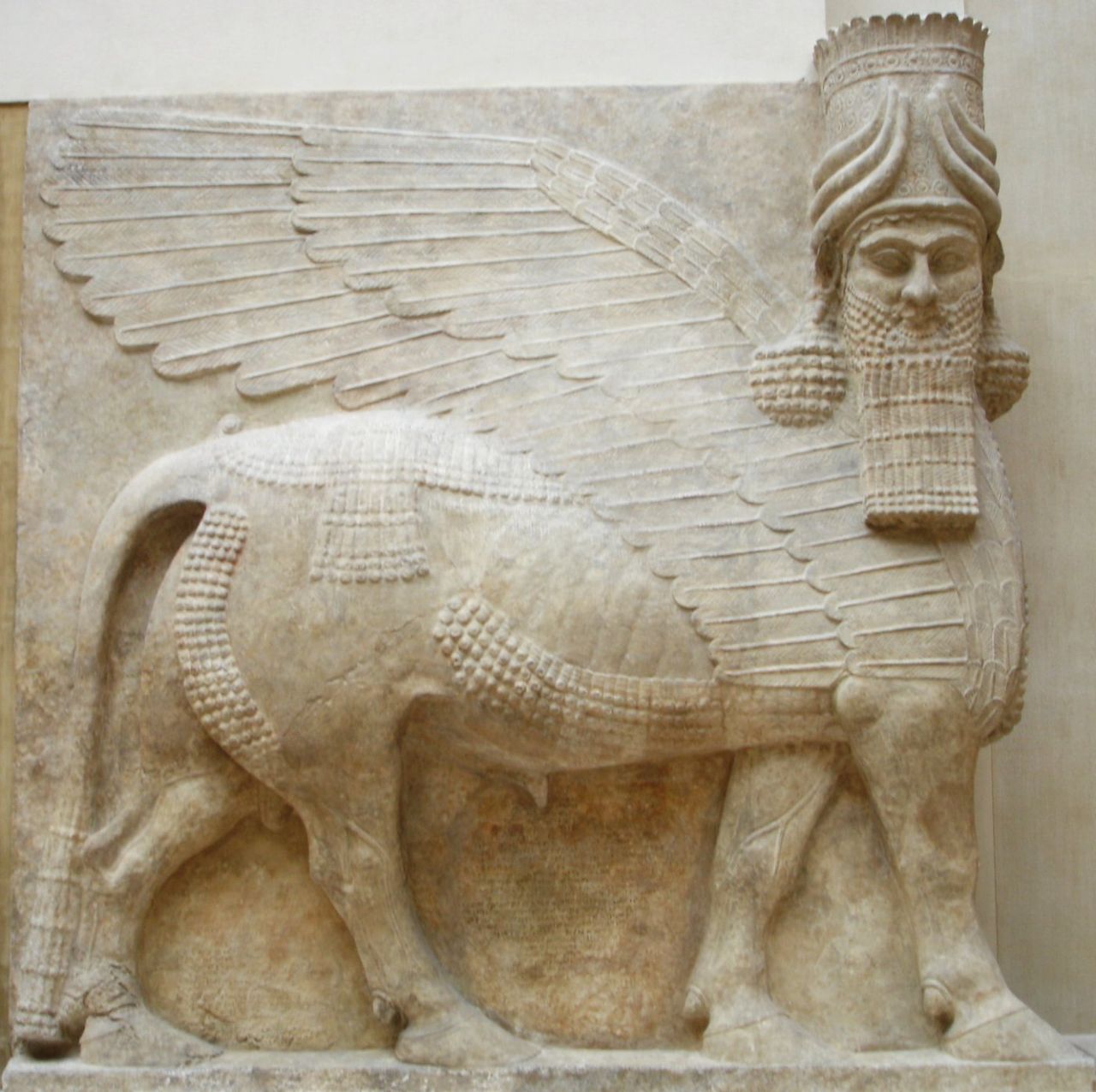
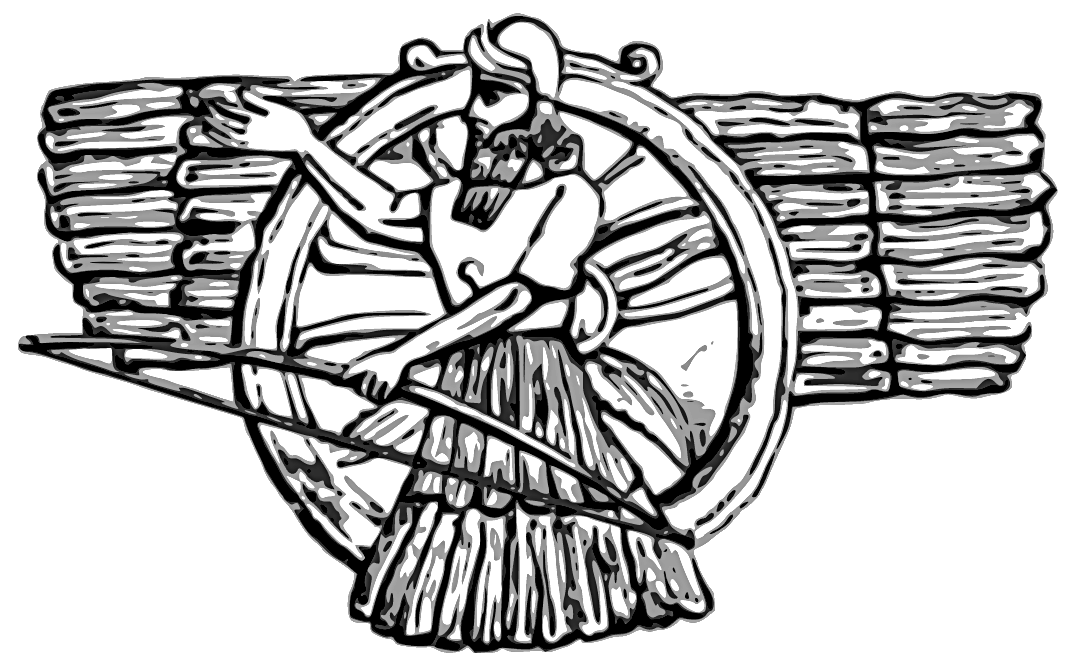
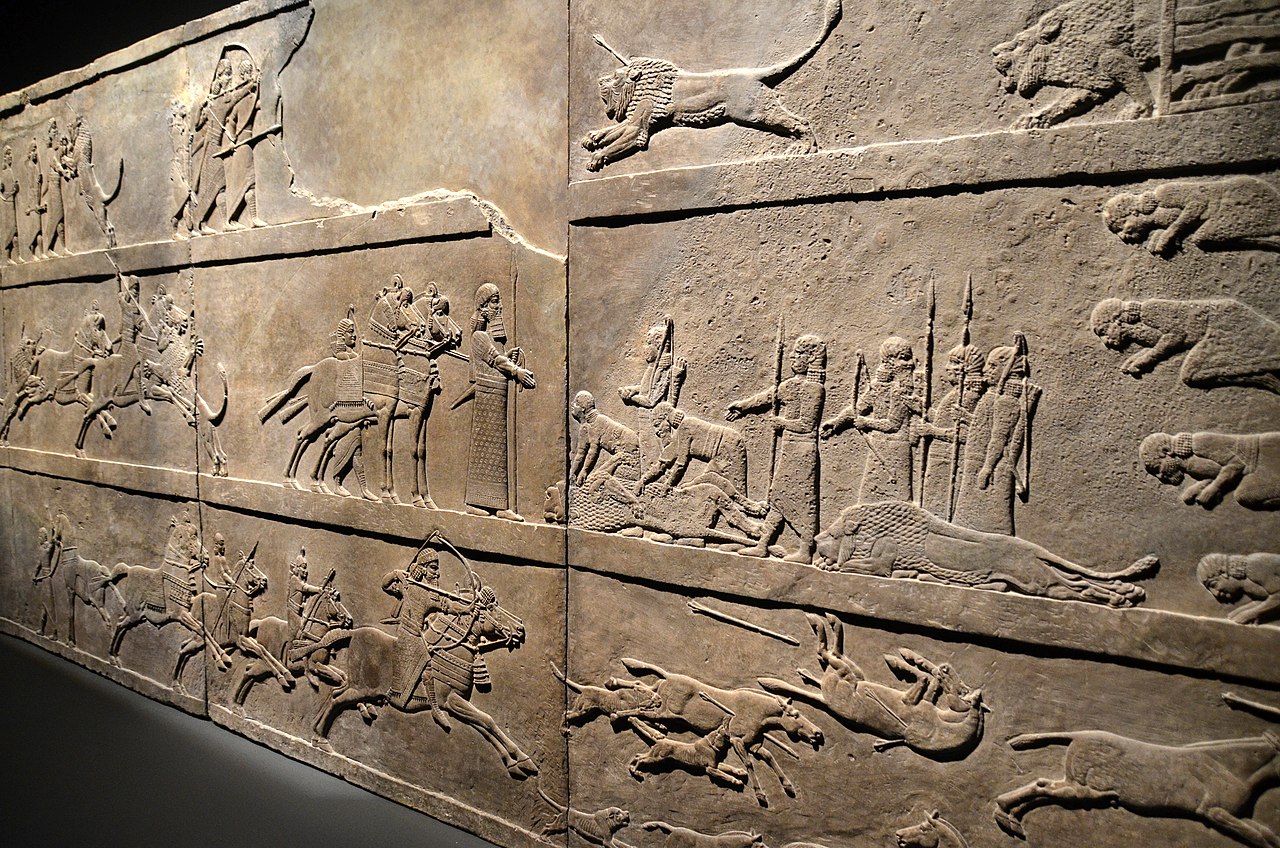
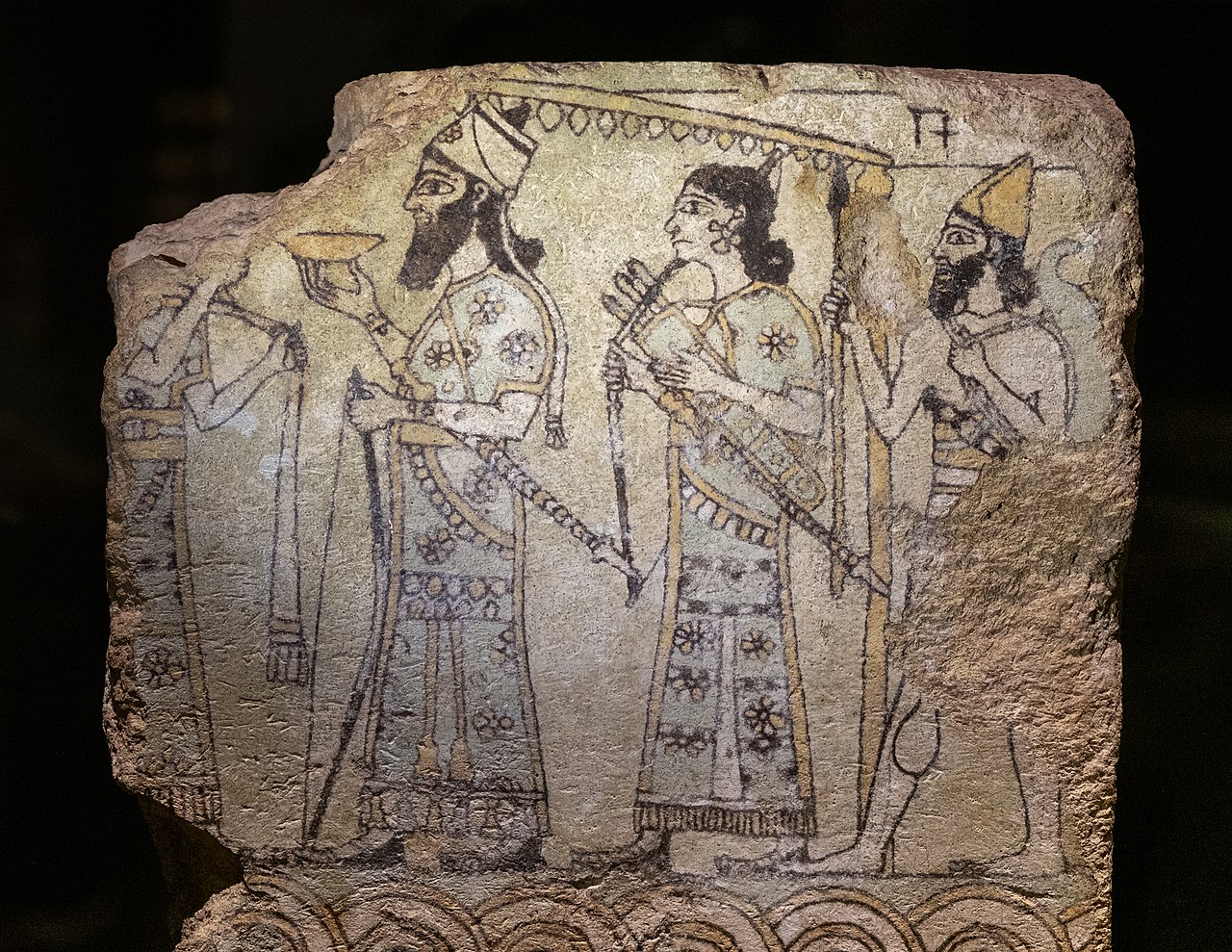




History and development
From a local city-state Assyria grew through successive phases — Old, Middle and Neo-Assyrian — into a dominant imperial power in the first millennium BCE. The Neo-Assyrian period, roughly the 9th to 7th centuries BCE, saw territorial expansion across much of Mesopotamia and beyond. Assyria frequently competed and interacted with neighboring polities, particularly the Babylonians, alternating between conflict, diplomacy and cultural exchange.
Society, language and culture
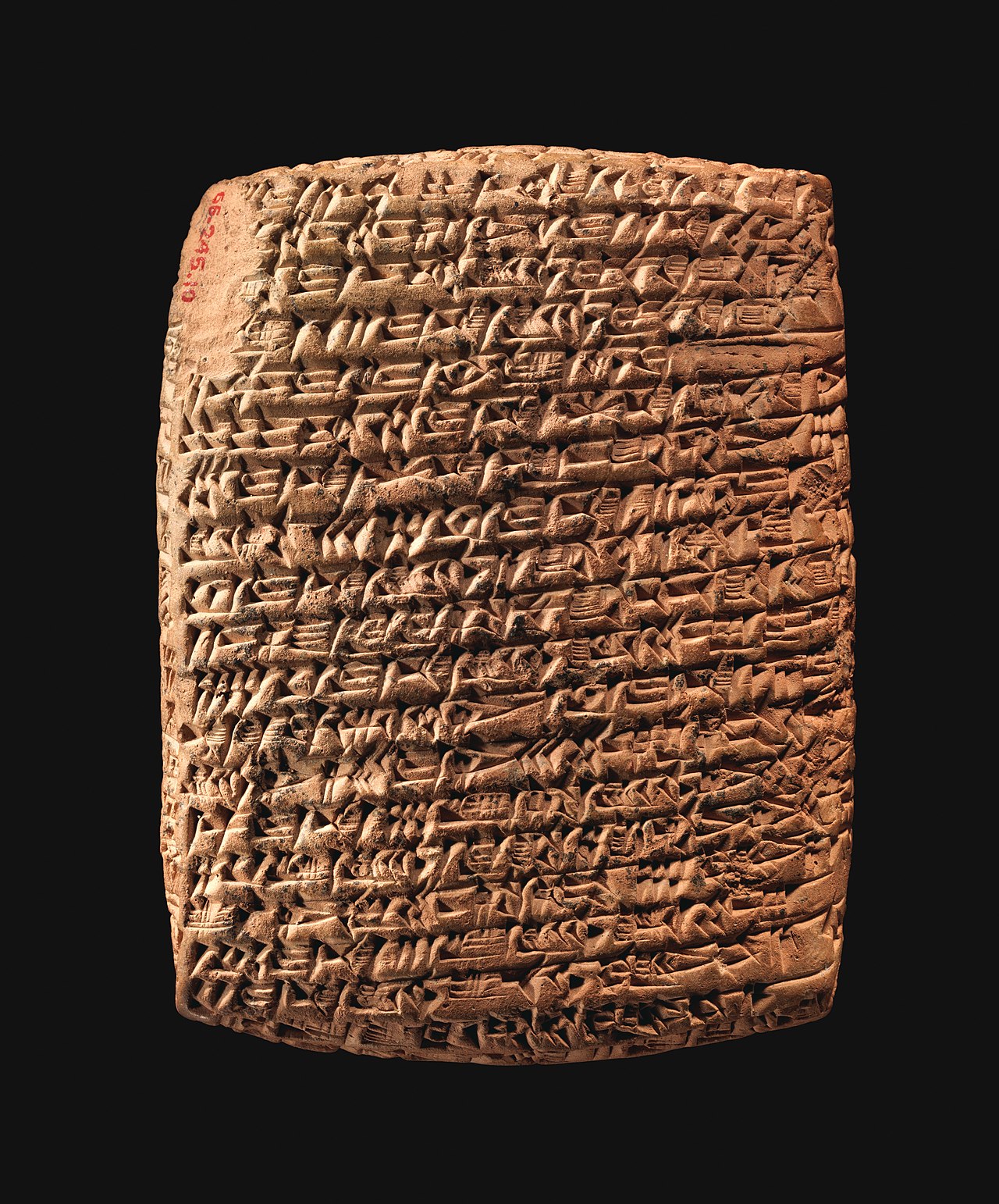
Assyrian society used the Akkadian language in an Assyrian dialect for administration and literature. Like other Mesopotamian states, they recorded transactions, laws and literature using cuneiform, a script that was part of a broader writing system inherited from earlier cultures. The religion revolved around city gods—most prominently the god Assur—and royal ideology emphasized the king's role as commander, lawgiver and priest.
Administration and military organization
Assyria developed a sophisticated bureaucracy with provincial governors, a system of roads and relay stations, and methods for collecting tribute and supplies. Its military innovations included professional standing forces, siegecraft and the use of engineering in campaigns; these capabilities supported rapid projection of power and control over subject territories.
Economic life and urban centers
Economy combined irrigated agriculture, craft production and long-distance trade. Major urban centers included Assur and later royal capitals such as Nineveh and Khorsabad. Palaces and administrative archives produced a large corpus of clay tablets that preserve legal texts, correspondence and administrative records, which are key sources for modern understanding of Assyrian governance and daily life.
Legacy and notable facts
- Assyria contributed to Near Eastern art, architecture and statecraft; its archival records are central to the study of ancient Mesopotamia.
- The use of cuneiform and the continuity of Mesopotamian institutions show links to earlier peoples such as the Sumerians.
- Assyrian history intersects with the broader geography of the region, including rivers and trade routes identified in studies of the Upper Tigris basin and wider Mesopotamia.
- Modern scholarship and archaeology continue to refine our picture of Assyrian society; public and academic resources provide further reading and primary text translations (chronologies, comparative histories, epigraphic studies).
Today the story of Assyria is reconstructed from inscriptions, excavated cities and comparative study of the Near East; these sources make Assyria a central subject for understanding ancient empire, administration and cultural continuity in the Fertile Crescent.
Questions and answers
Q: What was Assyria?
A: In the Middle Bronze Age, Assyria was a city state on the Upper Tigris river, named after its capital, the ancient city of Assur.
Q: Where was Assyria located?
A: Assyria was located on the Upper Tigris river, just to the north of their rivals, the Babylonians.
Q: What was the name of the capital city of Assyria?
A: The name of the capital city of Assyria was Assur.
Q: What writing system did ancient Mesopotamia use?
A: All the kingdoms of ancient Mesopotamia used the cuneiform writing system.
Q: Who invented the cuneiform writing system?
A: The Sumerians invented the cuneiform writing system.
Q: When did Assyria exist?
A: Assyria existed in the Middle Bronze Age.
Q: How were the Assyrians related to the Babylonians?
A: The Assyrians were rivals of the Babylonians, located just to the north.
Related articles
Author
AlegsaOnline.com Assyria: ancient state and empire of the Upper Tigris Leandro Alegsa
URL: https://en.alegsaonline.com/art/6773