
Midwestern United States (Midwest) — geography, history, and culture
Regional overview of the Midwestern United States: boundaries, states, climate, history, economy, and cultural characteristics of the U.S. north-central states.
Overview
The Midwestern United States, commonly called the Midwest, is a region in the north-central part of the country characterized by a mix of agricultural plains, freshwater lakes, and industrial cities. The term came into regular use in the late 19th century and remains the standard regional name. The Midwest is often described as the nation's agricultural heartland and a historical center of manufacturing and transportation.
Image gallery
10 Images




States commonly included
Modern definitions usually list a set of states that share geographic, economic and cultural ties. Those most frequently identified as Midwestern are:
- Nebraska
- Indiana
- Illinois
- Iowa
- Kansas
- Minnesota
- Missouri
- Michigan
- North Dakota
- Ohio
- South Dakota
- Wisconsin
Some other states, most notably Oklahoma and Kentucky, are sometimes associated with the region or treated as transitional "border" states that combine Midwestern and southern characteristics.
Geography and climate
The Midwest covers a varied landscape: broad, fertile plains used for row crops and pasture; glaciated hills and lakes in the northern tier; and important river systems, including major stretches of the Mississippi and Missouri Rivers. Parts of the region border the Great Lakes, which influence local weather and commerce. Climate ranges from continental patterns with cold winters and hot summers to more moderate conditions near large lakes.
History and naming
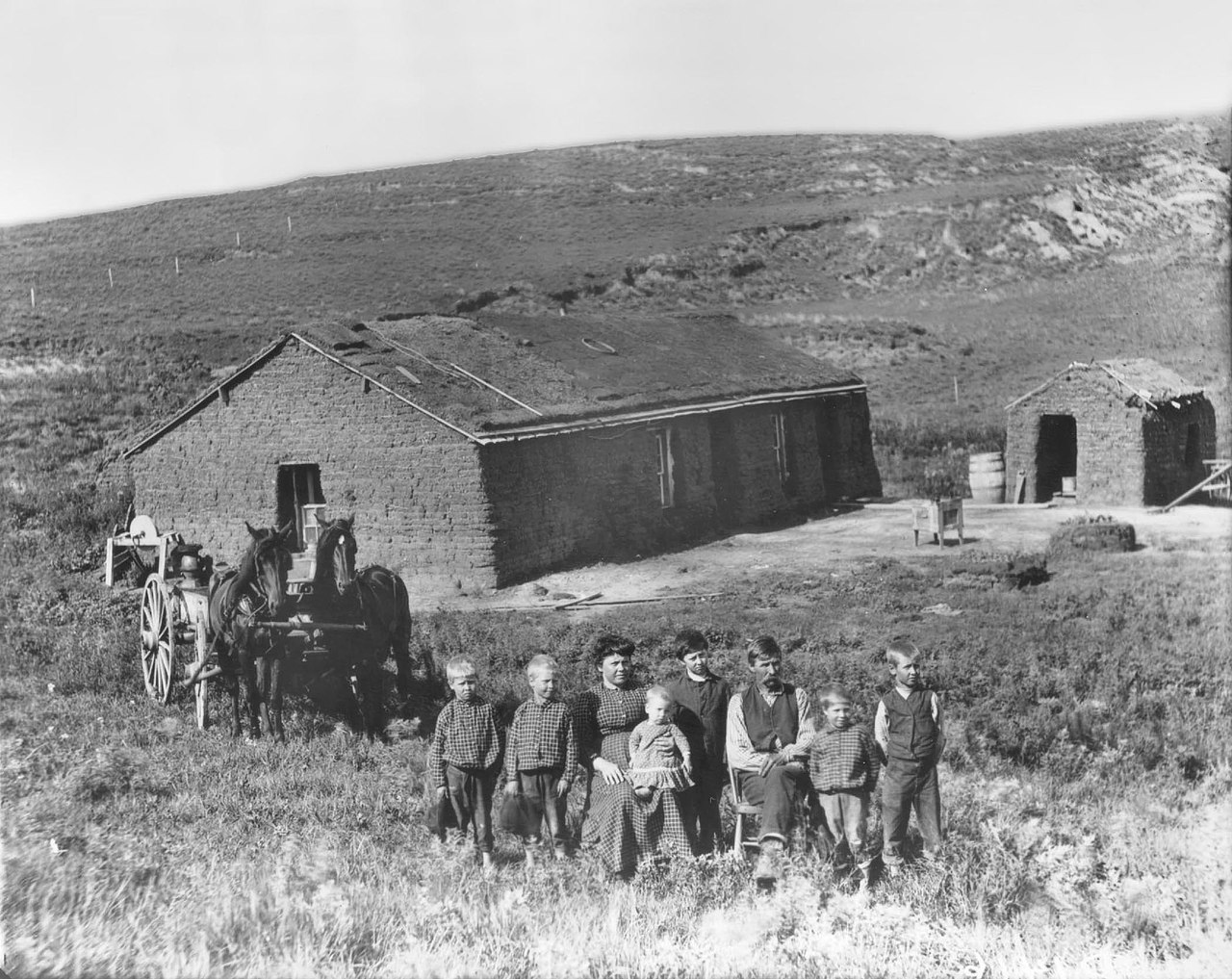
The region grew in importance during westward expansion and the 19th century as territory opened to settlement and transportation corridors developed. Earlier labels such as the "Old Northwest" or "Northwest Territory" fell out of use as the nation extended farther west; "Midwest," "Mid-America," and "Heartland" emerged as common descriptors. The name "Midwest" reflects the perspective of east-coast–centered maps and the region's central position within the continental United States.
Economy, culture, and importance
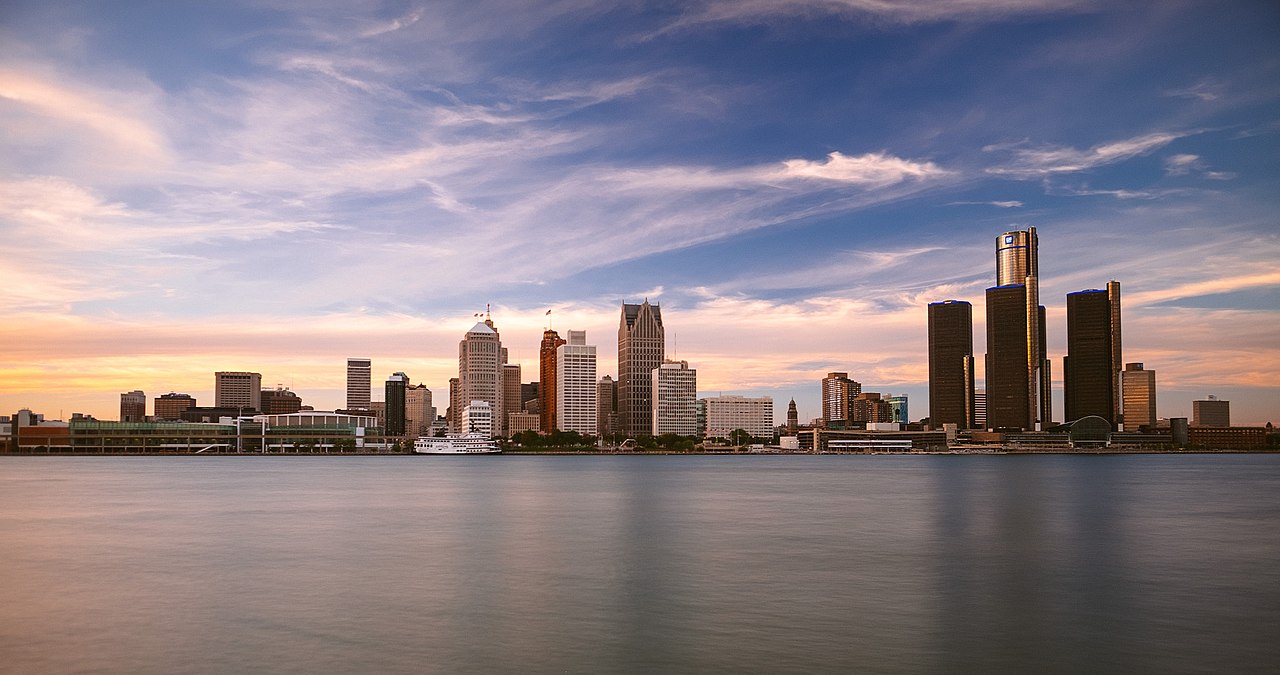
The Midwest has long combined agriculture, industry, and transportation. Corn, soybeans, wheat, and livestock dominate rural production, while cities grew around manufacturing, steel, automotive, and food-processing industries. Cultural features often associated with the region include community-oriented values, diverse European immigrant heritage, and a range of musical and culinary traditions. Urban centers remain influential in finance, education, and technology alongside persistent rural economies.
Boundaries, distinctions and notable facts
Boundaries of the Midwest are partly administrative and partly cultural, so maps and definitions vary by source and purpose. Debates about whether states such as Missouri, Oklahoma, or Kentucky belong to the Midwest reflect transitional geography and mixed historical ties. The region's role in national agriculture, its network of inland waterways and railroads, and its shifting industrial base make the Midwest a key area for understanding American economic and social history.
For further reading on particular states or topics within the region, see the linked entries: Illinois, Ohio, Minnesota, and others above.
Questions and answers
Q: What is the Midwest?
A: The Midwest is a region in the north-central states of the United States of America.
Q: Which states are included in the Midwest?
A: The Midwest is composed of Nebraska, Indiana, Illinois, Iowa, Kansas, Minnesota, Missouri, Michigan, North Dakota, Ohio, South Dakota and Wisconsin.
Q: Are Oklahoma and Kentucky considered part of the Midwest?
A: Oklahoma and Kentucky are occasionally considered Midwestern, but this is definitely questioned by scholars. They refer to those regions, along with Missouri, to be border states - those consisting of southern and Midwestern traits.
Q: When did the word "Midwest" start being commonly used?
A: The word Midwest has been in common use since the late 19th century.
Q: What are some other names for the Midwest?
A: Other names for the area are no longer used. These names include the "Northwest" or "Old Northwest", "Mid-America," or "the Heartland".
Q: How many total states are in the United States of America?
A: There are 50 states in the United States of America.
Q: What is the difference between the Midwest and border states?
A: The Midwest is a specifically-defined region, while border states consist of areas that possess both southern and Midwestern traits.
Related articles
Author
AlegsaOnline.com Midwestern United States (Midwest) — geography, history, and culture Leandro Alegsa
URL: https://en.alegsaonline.com/art/64764
Sources
- links.jstor.org : in JSTOR
- tribstar.com : Terre Haute Tribune-Star
- links.jstor.org : links.jstor.org