
North Africa: region, geography, peoples, and history
North Africa is the northern part of the African continent. Its coastlines, deserts, and rivers shaped ancient states and modern societies; definitions and membership vary by source and purpose.
Overview
North Africa refers to the northernmost lands of the African continent along the Mediterranean and the southern edge of the Sahara. Definitions differ: some maps count only the Maghreb and Egypt, while broader definitions include countries that reach into the Sahara or Nile basin. The region has long acted as a bridge between Africa, Europe and the Middle East, with coastal cities and inland oases playing important roles in trade and cultural exchange.
Image gallery
10 Images




Geography and climate
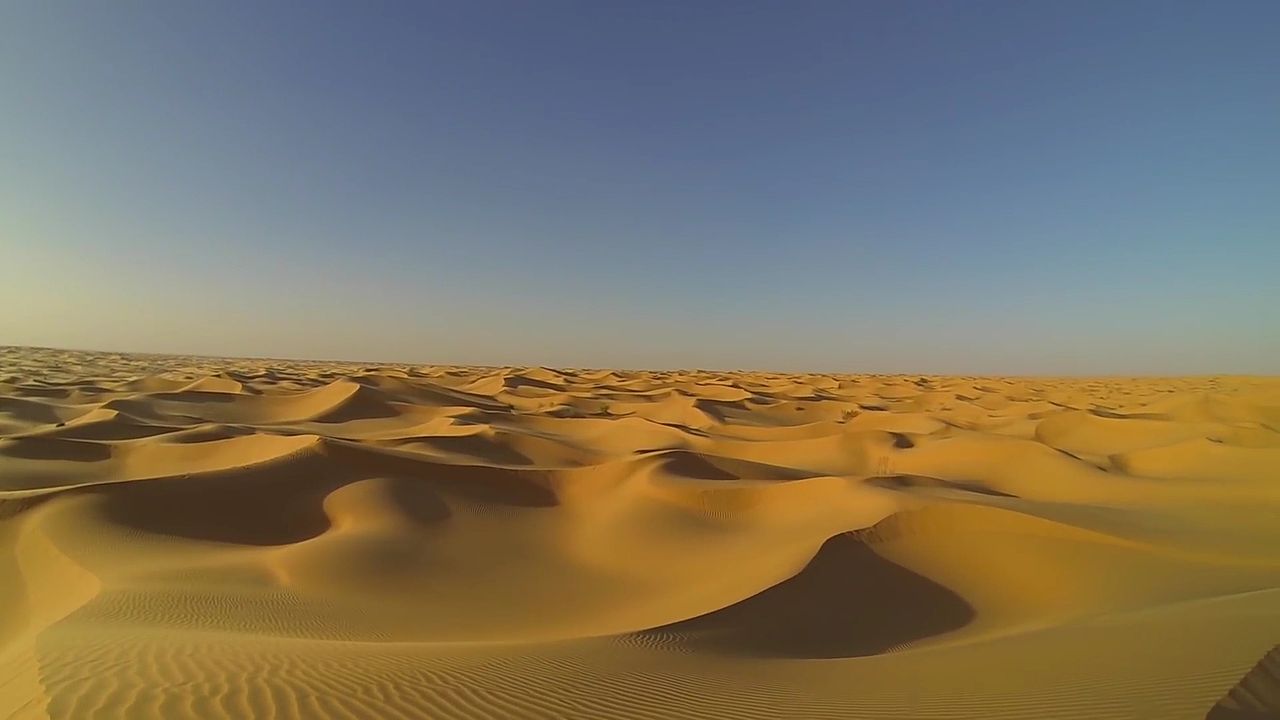
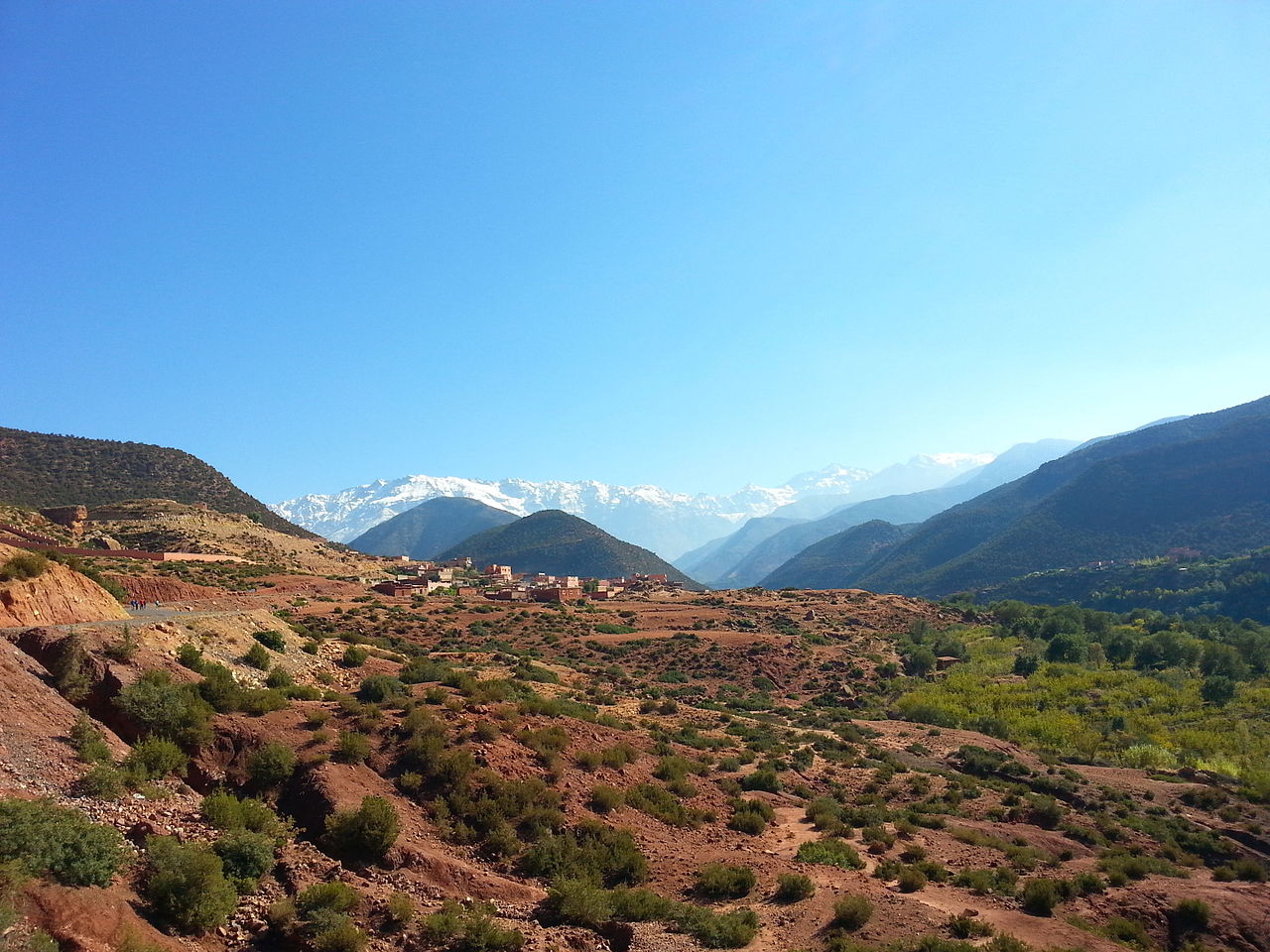
Much of the interior is dominated by the Sahara, an expansive desert environment with sparse rainfall and large sand seas, interspersed with rocky plateaus and mountain ranges such as the Atlas. Coastal zones on the Mediterranean enjoy milder, often Mediterranean climates, while the Nile valley and delta in the east form a distinct, fertile corridor that supports dense populations and intensive agriculture.
People, languages and religion
The population is ethnically diverse: major groups include Arabs, Berber peoples (Amazigh), and communities with mixed heritage often called Moors in certain coastal areas. Arabic is the dominant language in most countries, with various Berber languages spoken across the Maghreb; colonial languages like French and English are also used in administration, education and business. The predominant faith is Islam, but local practices and minority religions shape cultural life regionally.
History and significance
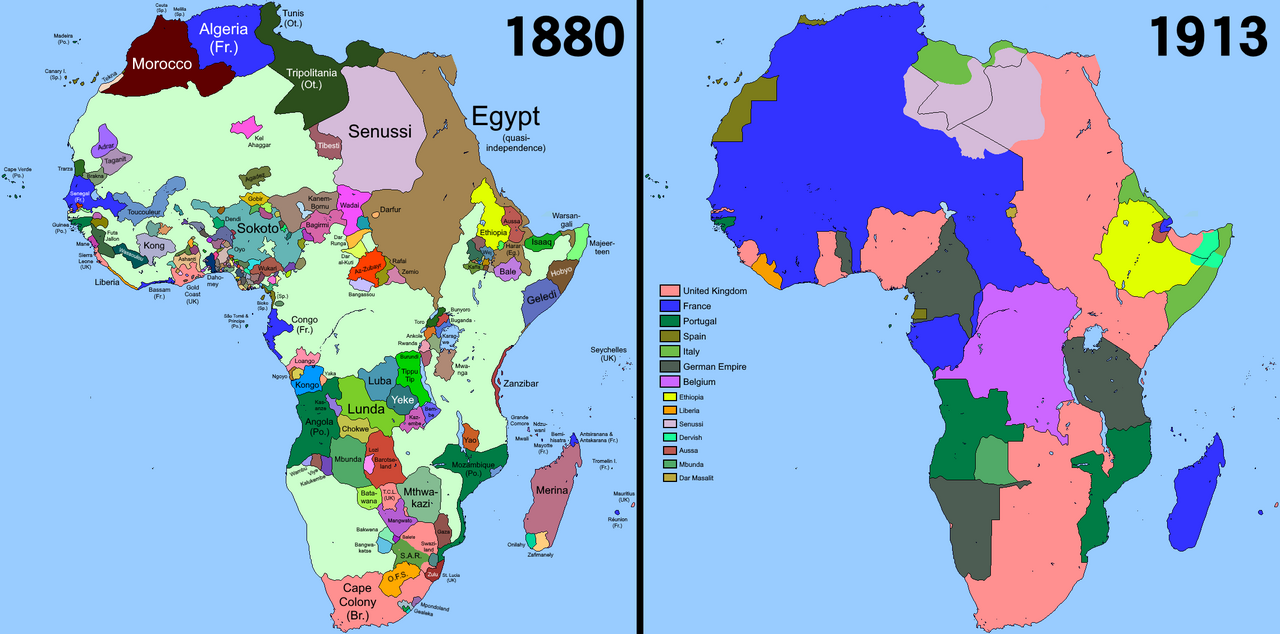
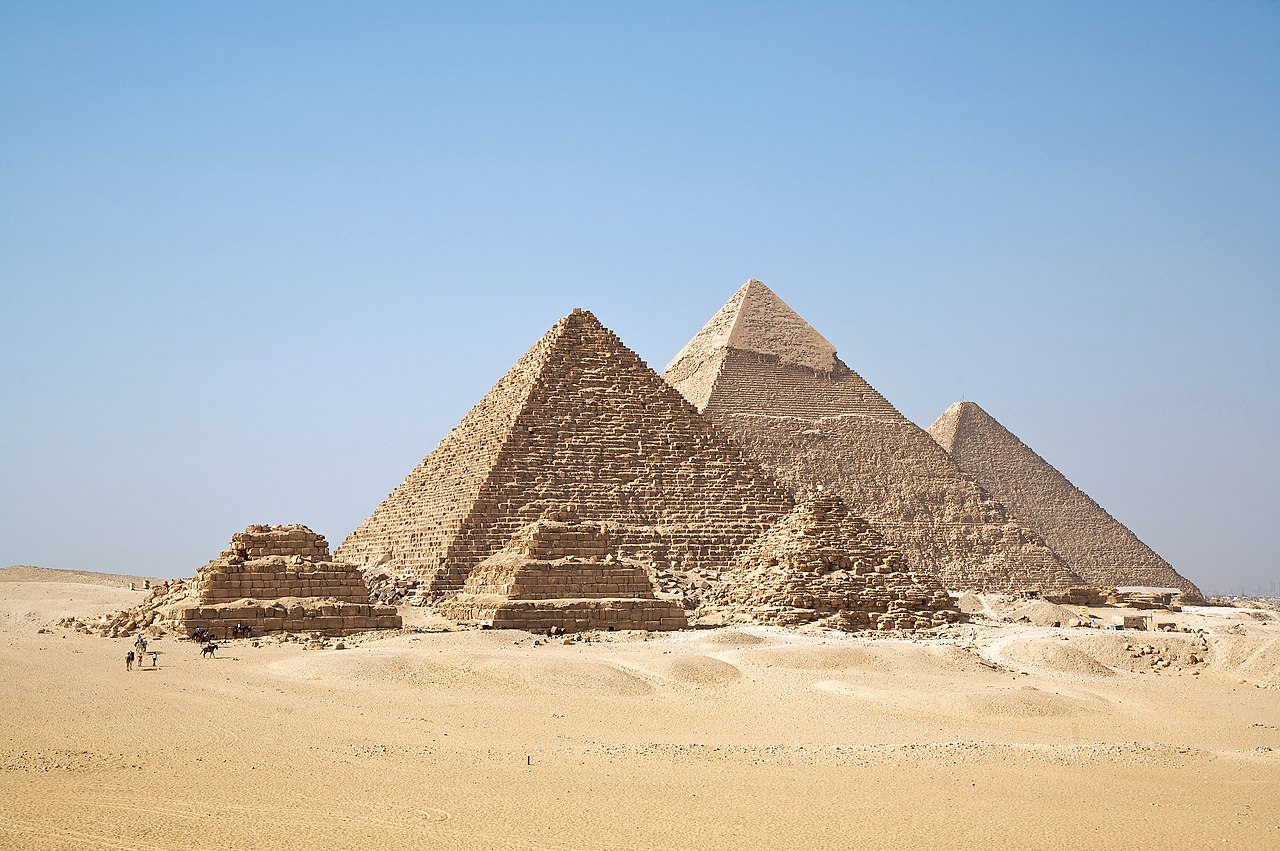
North Africa has been home to some of the earliest complex societies, from ancient Egypt’s Nile civilization to Phoenician Carthage and later Roman provinces. Over centuries it experienced Arab-Islamic expansion, Ottoman influence in parts, and European colonization in the modern era, followed by movements for independence in the 20th century. Contemporary issues include state-building, resource management, migration, and territorial disputes such as the status of Western Sahara.
Economy and uses of the land
The economy mixes hydrocarbons, mining and agriculture: oil and natural gas are major exports for some states, while coastal tourism, manufacturing and remittances matter elsewhere. Irrigation supports crops in river valleys and oases, and pastoralism continues in drier zones. Cities along the Mediterranean remain centers for commerce, higher education and cultural production.
Common list of countries
- Algeria
- Egypt
- Libya
- Morocco
- Tunisia
- Western Sahara (disputed)
- Mauritania
- Sudan
- South Sudan
Readers seeking more detailed country articles, climate data or historical timelines can follow regional references and specialized sources linked from introductory pages and atlases. For general background and further reading see national entries and overview resources linked above.
Related articles
Author
AlegsaOnline.com North Africa: region, geography, peoples, and history Leandro Alegsa
URL: https://en.alegsaonline.com/art/70800