
Meteorology: The Science of Weather and the Atmosphere
An overview of meteorology: its focus on atmospheric processes, observation methods, forecasting techniques, practical uses, history, and distinctions from related fields.
Overview
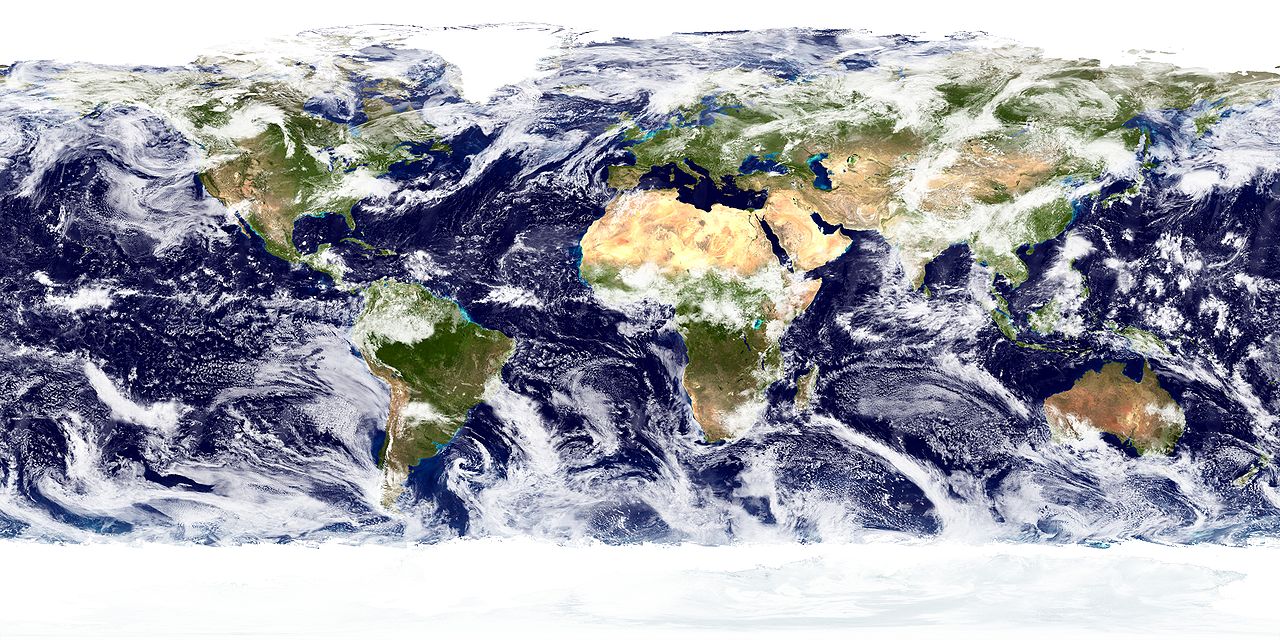
Meteorology is the scientific study of the Earth's atmosphere and the processes that produce weather and climate. Meteorologists observe and analyse atmospheric conditions such as pressure, temperature, humidity, wind and precipitation to understand how the atmosphere changes over time and space. This field sits at the intersection of physics, chemistry and earth science and has both theoretical and practical aims: explaining atmospheric phenomena and providing forecasts that inform everyday decisions.
Image gallery
10 Images




Observations and instruments
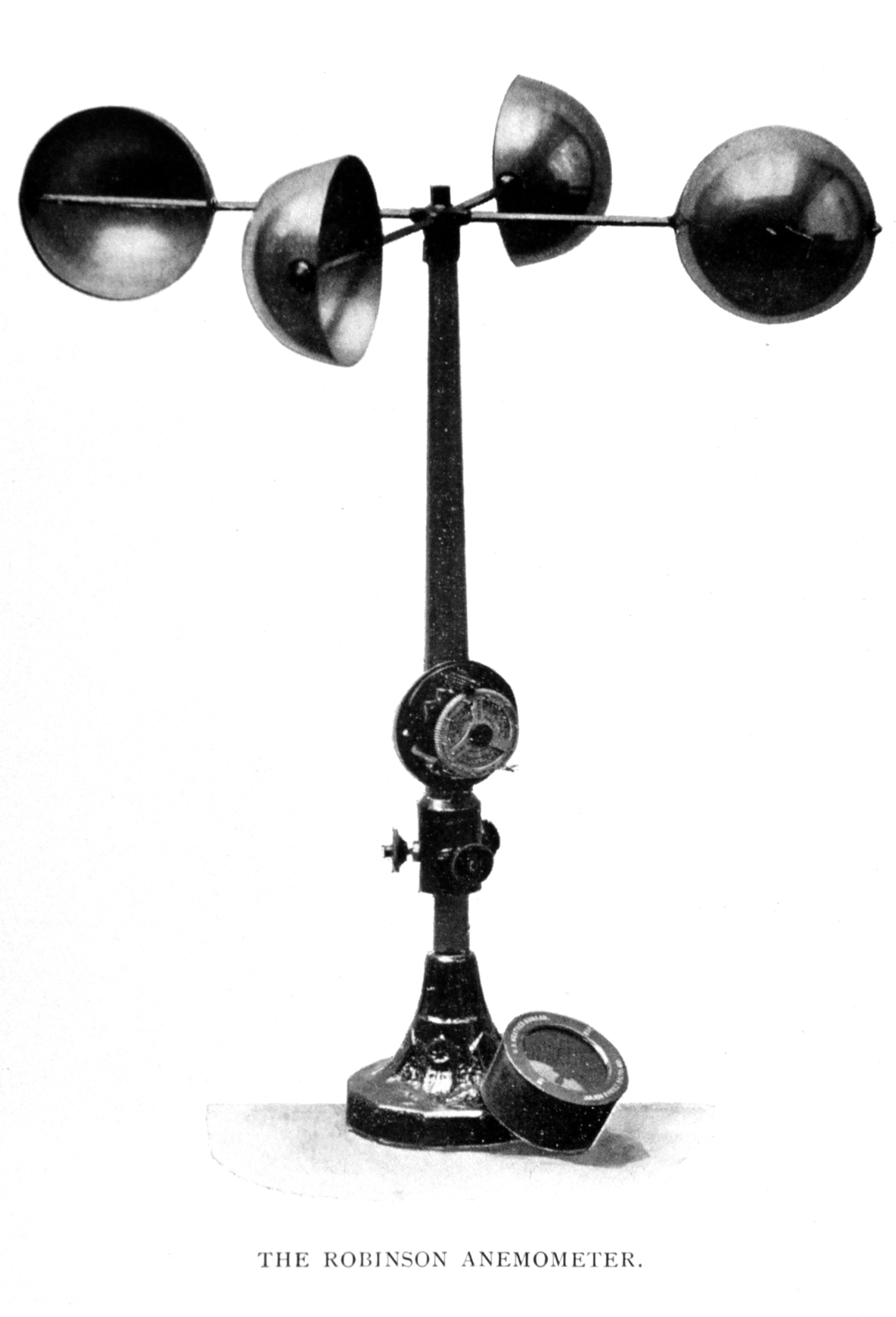
Accurate observations are fundamental to meteorology. Scientists and technicians use an array of instruments and platforms to measure conditions at the surface and aloft: ground stations, weather balloons (radiosondes), aircraft, ships, buoys and satellites. These measurements capture variables such as air pressure, temperature, humidity, wind speed and direction, cloud cover and precipitation. Long-term records enable climatological studies while real-time networks support operational forecasting.
Models and forecasting
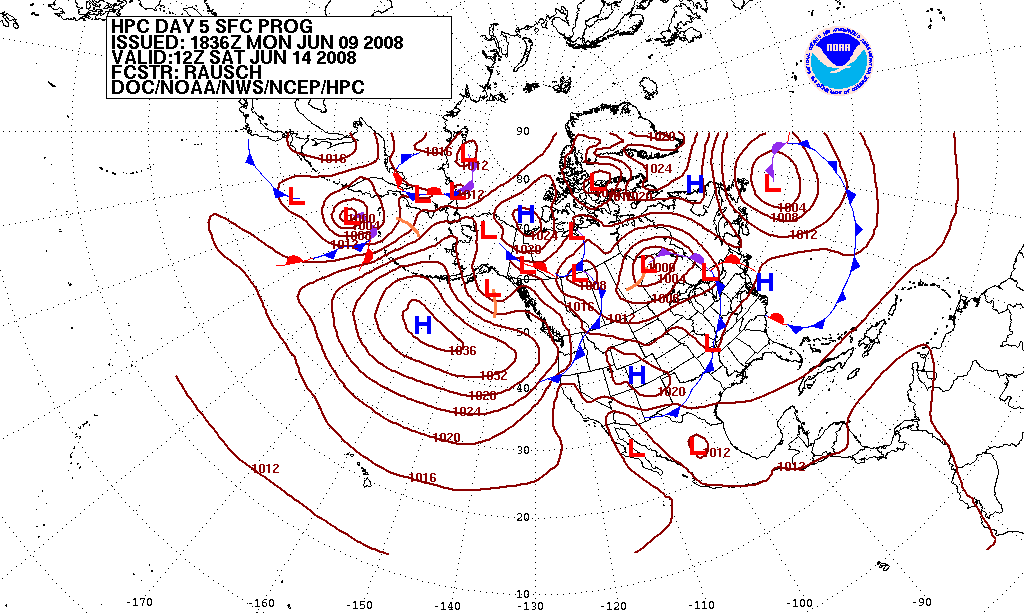
Meteorological forecasting combines observations with physical laws encoded in mathematical models. Numerical weather prediction models simulate the state of the atmosphere using equations for fluid motion, thermodynamics and radiative transfer. Models operate at different scales — from short-range, high-resolution forecasts for local weather to coarser, longer-range climate projections. Forecasters interpret model output alongside observations to produce probabilistic and deterministic forecasts and to issue warnings for severe events.
Applications and societal importance
Meteorology serves many sectors: transportation, agriculture, emergency response, energy, insurance, public health, military operations and the media. Weather forecasts and warnings help protect lives and property during storms, heat waves, floods and droughts. Meteorological information also guides flight planning, maritime operations, crop management and renewable energy scheduling. Research into atmospheric behaviour contributes to understanding and responding to climate variability and change.
History and scientific context
The development of meteorology has evolved from early, systematic weather observations to modern networks of sensors and global numerical models. Advances in instrumentation, communication and computing have transformed forecasting skill over time. Meteorology overlaps other disciplines — climatology focuses on long-term averages and variability, atmospheric chemistry studies composition and pollutants, and hydrometeorology emphasizes the water cycle and interactions with the land surface.
Further resources
For topic-specific information and operational services, the following links indicate common areas of interest and resource types:
- Wind measurements and instruments
- Temperature observation methods
- Humidity and moisture measurements
- Weather pattern analysis
- Meteorology within earth science
- Surface and land observations
- Marine meteorology and ocean interactions
- Upper-air and atmospheric layers
- Computer systems for forecasting
- Mathematical foundations and models
- Short- and long-range forecasting techniques
- Connections to climate science
- National and international meteorological organisations
- Meteorology in transport planning
- Aviation weather services
- Maritime weather and sea travel
- Shipping, fishing and weather safety
- Sailing and recreational forecasting
- Government use and public safety
- Fire management and weather
- Climate change policy and research
- Military meteorological support
- Public services and utilities informed by weather
- Media dissemination of forecasts
- Industry applications
- Retail impacts and weather-driven demand
- Insurance and risk assessment
- Health impacts and meteorology
Note: Meteorology is an active scientific field. Ongoing research improves instruments, modelling and understanding of atmospheric processes; users of meteorological information should consult authoritative and up-to-date sources for operational decisions.
Related articles
Author
AlegsaOnline.com Meteorology: The Science of Weather and the Atmosphere Leandro Alegsa
URL: https://en.alegsaonline.com/art/64190