
Earth science (geoscience): scope, methods, history and applications
Earth science (geoscience) surveys Earth's systems — atmosphere, hydrosphere, biosphere, lithosphere — their history, methods, and uses in resource management, hazards and environmental study.
Earth science, often called geoscience, is the integrated study of the planet we inhabit. It examines the structure and processes of the solid Earth, the oceans, the atmosphere, the cryosphere and the biosphere, and seeks to explain how these parts interact over time. The term emphasizes a multidisciplinary approach to understanding Earth's architecture and long-term evolution rather than a single narrow subject.
Image gallery
10 Images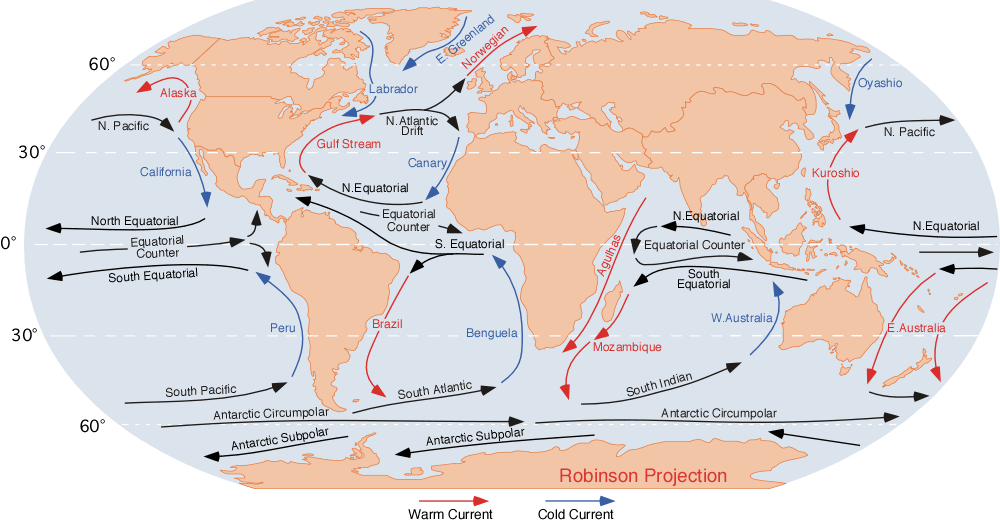





Scope and main components
Modern Earth science brings together several interrelated fields. Traditional geology focuses on rocks, minerals and the solid crust, while planetary science extends similar principles to other worlds and overlaps with astronomy. Major components of Earth science include:
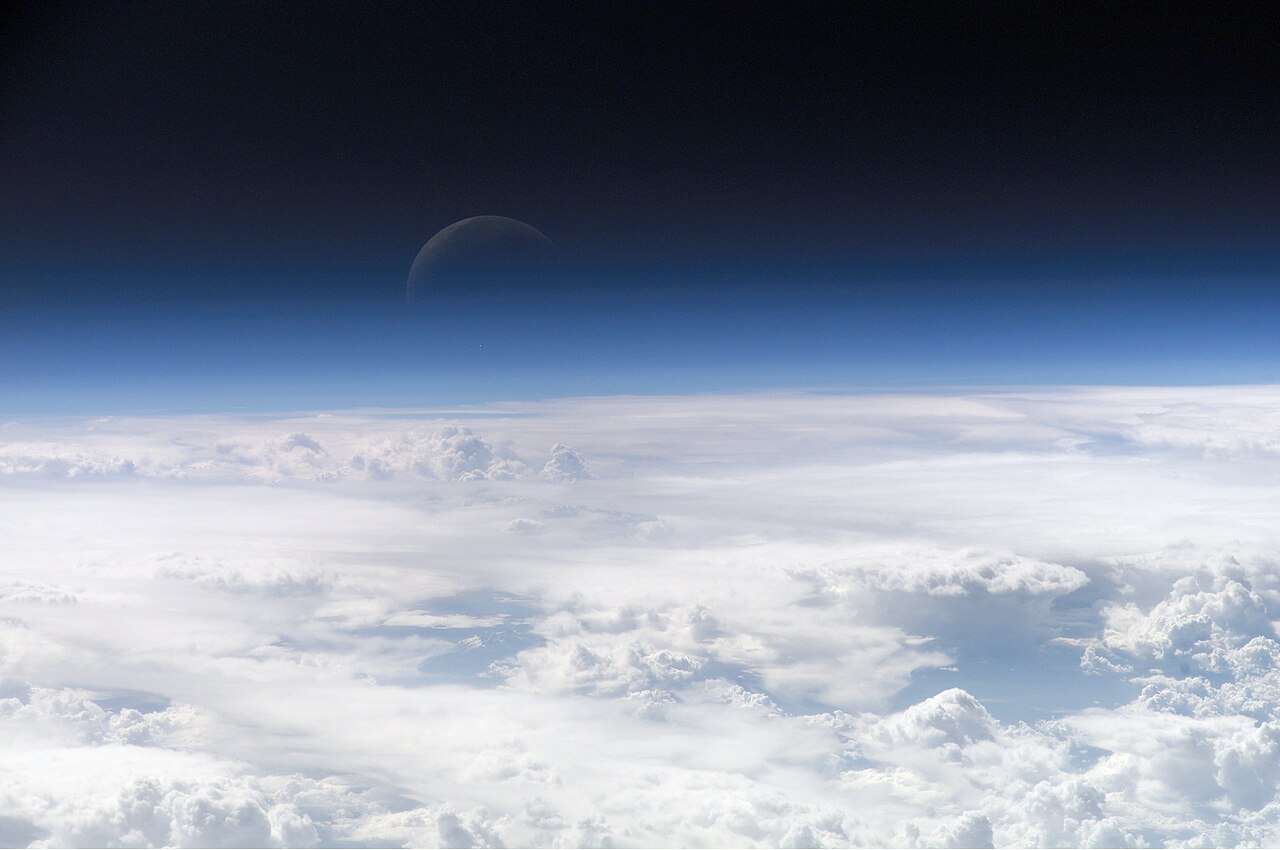
- Atmospheric sciences (weather, climate and air chemistry)
- Hydrology and oceanography (rivers, groundwater and oceans)
- Biogeosciences (interactions of the biosphere with physical systems)
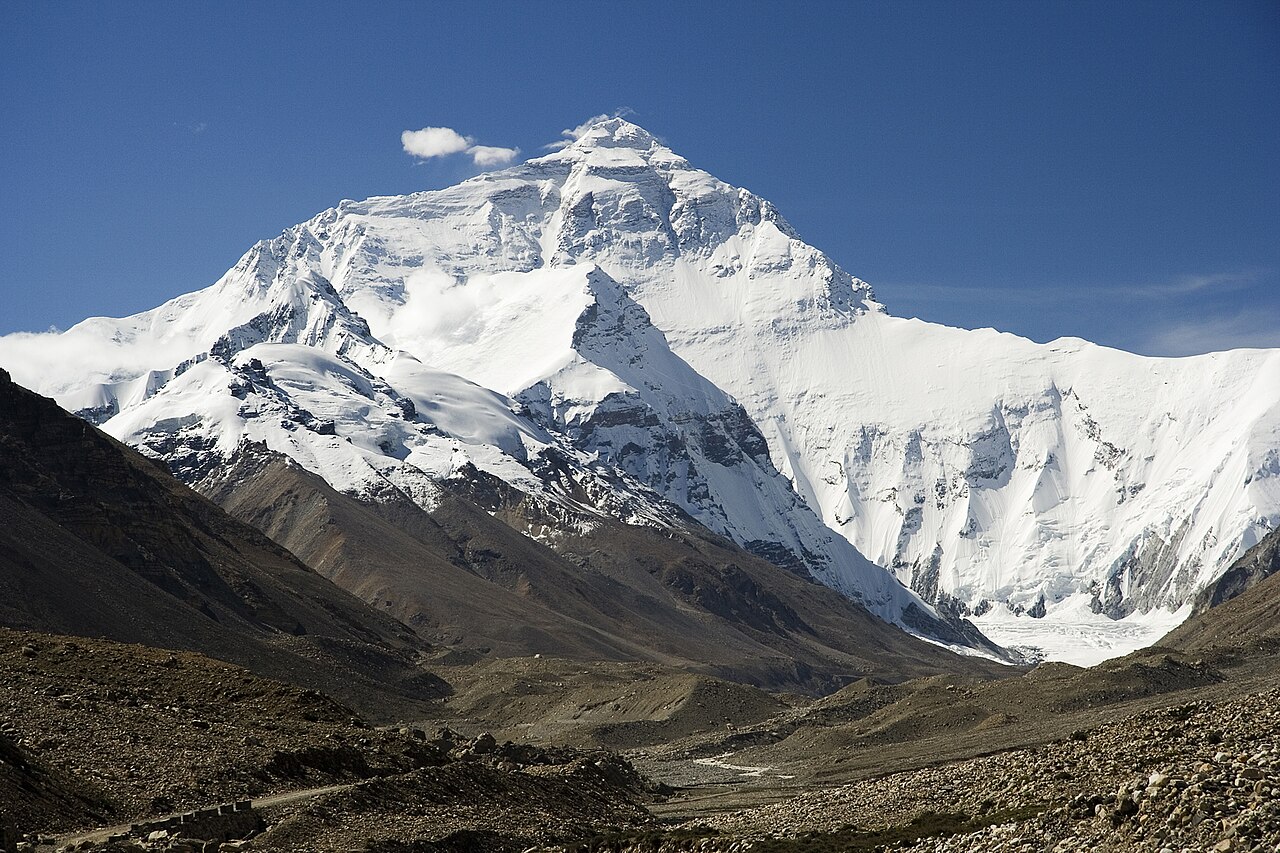
- Solid Earth studies (tectonics, volcanism, mineral resources)
- Cryospheric research (ice sheets, glaciers and seasonal snow)
Methods and interdisciplinary tools
Earth scientists apply tools from many disciplines. Observations and models rely on physics to describe forces and energy, chemistry to track composition and reactions, and biology to understand life–environment feedbacks. Quantitative analysis uses chronology to date events and mathematics to formalize models and interpret data. Field studies, laboratory experiments and remote sensing are complementary methods that together build a coherent picture of Earth processes.
History and long-term evolution
A central insight of Earth science is that the planet has been changing since its origin. Geological and radiometric evidence indicate Earth formed billions of years ago and has undergone dramatic transformations in climate, sea level, and surface environments. Processes such as plate tectonics, erosion, sedimentation and biological evolution have shaped continents and oceans over deep time. Understanding this long history provides context for present-day environmental change.
Applications and societal importance
Earth science informs many practical concerns: locating and managing mineral and water resources, assessing natural hazards like earthquakes and volcanic eruptions, predicting weather and climate trends that affect agriculture and infrastructure, and guiding environmental protection and land use. Applied geoscience supports engineering projects, public safety planning and policy decisions that depend on reliable knowledge of Earth systems.
Distinctions and notable facts
While overlapping with related disciplines, Earth science is distinguished by its systems perspective and emphasis on Earth's interior and surface processes. It bridges study of our planet with the broader realm of planetary science and benefits from advances in instrumentation, computational modeling and satellite observation. For further reading on foundational topics, see resources on geoscience concepts and planetary formation such as ancient processes, the planet record, and hypotheses about Earth's formation.
For entry points into the field and organized overviews, consult summaries of geoscience disciplines and their methods via general references and educational portals. Additional materials are available through subject pages on atmospheric science, oceanography and other specialties (geoscience overview, geology basics, ocean studies), and through international data centers and teaching collections (planetary links, astronomy context, biosphere interactions). A solid grounding in the physical and life sciences, together with field experience and data analysis skills, prepares students and practitioners to contribute to research and practical solutions in this broad, evolving discipline.
Questions and answers
Q: What is Earth science?
A: Earth science is a term used to refer to the sciences that study the planet Earth.
Q: Is geoscience the same as Earth science?
A: Geoscience and Earth science are interchangeable terms that describe the study of the architecture of the earth.
Q: How is geoscience broader than geology?
A: Geoscience includes aspects of planetary science, which is a part of astronomy, while geology only studies the earth's structure, composition, and processes.
Q: What areas of study do the Earth sciences cover?
A: The Earth sciences encompass the study of the atmosphere, oceans, and biosphere, as well as the solid earth.
Q: What tools do Earth scientists use to understand the Earth?
A: Earth scientists use tools from physics, chemistry, biology, chronology, and mathematics to understand how the Earth evolved to its current state.
Q: What is the underlying fact that characterizes all Earth science?
A: The underlying fact that characterizes all Earth science is that the Earth is an ancient planet that has been changing constantly since its formation.
Q: How much has the Earth changed since its formation?
A: The extent of the changes that the Earth has undergone is much greater than what people used to think.
Related articles
Author
AlegsaOnline.com Earth science (geoscience): scope, methods, history and applications Leandro Alegsa
URL: https://en.alegsaonline.com/art/29568
Sources
- wordnet.princeton.edu : Wordnet Search: Earth science
- wordnet.princeton.edu : Wordnet Search: Geodesy
- oceanservice.noaa.gov : NOAA National Ocean Service Education: Geodesy
- soil.gsfc.nasa.gov : Elissa Levine, 2001, The Pedosphere As A Hub
- jan.ucc.nau.edu : Duane Gardiner, Lecture: Why study soils? excerpted from Miller R.W. & D.T. Gardiner, 1998. Soils in our environment, 8th Edition
- youtube.com : Introduction to Astronomy: Crash Course Astronomy #1
- commons.wikimedia.org : Earth sciences