
Fishing: methods, history, uses and modern challenges
Fishing is the practice of catching wild aquatic animals for food, livelihood and recreation. This article explains environments, methods, history, economic importance, and contemporary conservation issues.
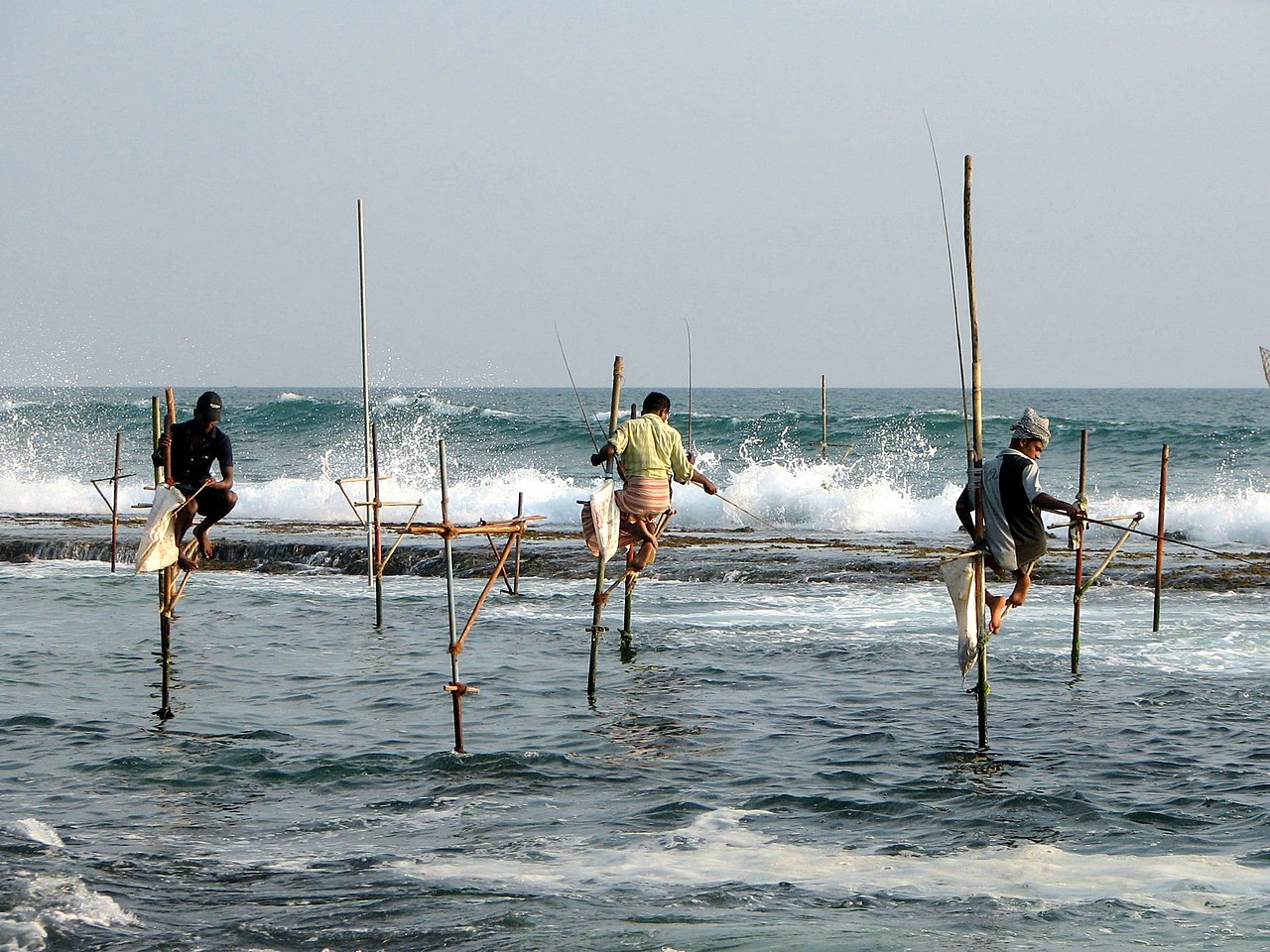
Fishing is the activity of attempting to capture aquatic animals, most commonly fish. It takes place in many settings: in the open sea, on inland lakes and along rivers. Anglers and commercial crews operate from boats as well as from the shore. The practice ranges from small-scale subsistence activity to large industrial operations that supply global markets.
Image gallery
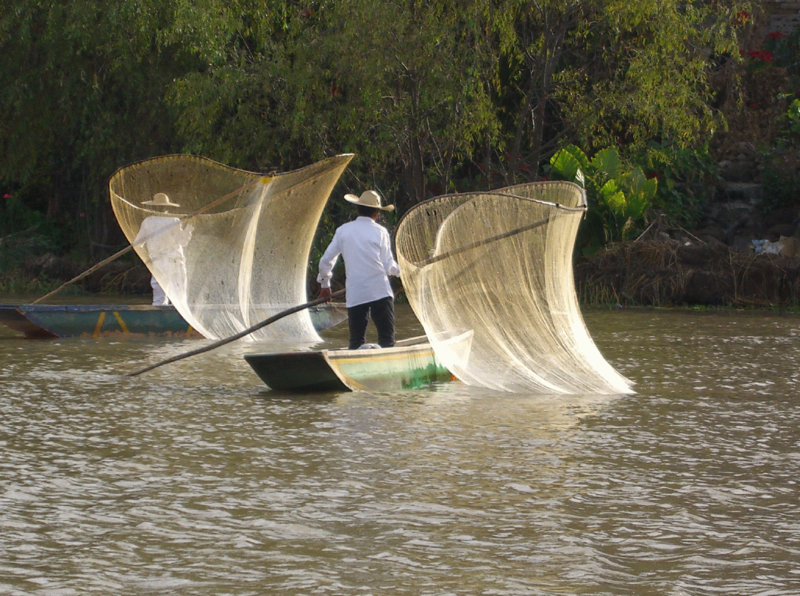
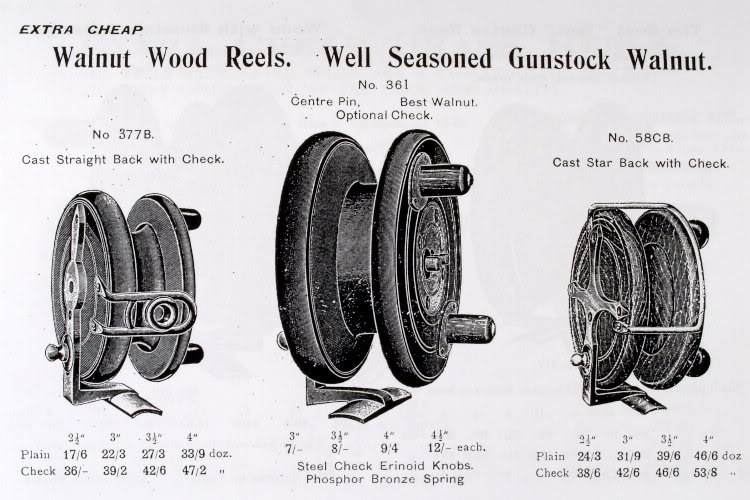
10 Images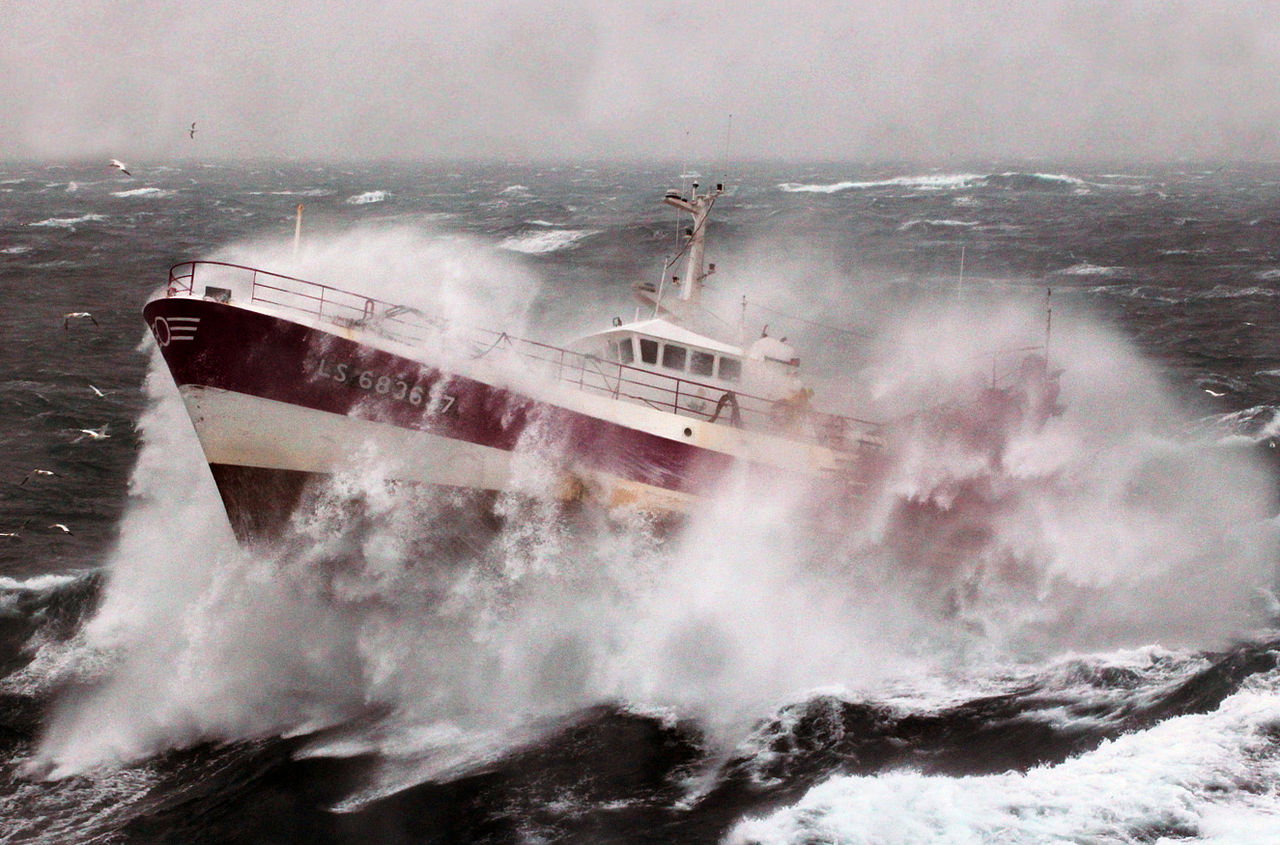





Common methods and gear
There are many techniques for taking aquatic animals. Some are simple and direct, others involve complex vessels and equipment. Major categories include:
- Hand gathering (collecting shellfish or seaweed in shallow water)
- Spearing (using spears, tridents or harpoons for targeted catches)
- Netting (stationary or drifting nets of various meshes)
- Angling (rod, line and hook methods used in both sport and subsistence fishing)
- Trapping and potting (fixed devices that capture animals as they enter)
Although the word "fishing" usually refers to wild-capture, it can apply to taking other marine and freshwater organisms such as molluscs, cephalopods, crustaceans and echinoderms. The term is not commonly used for production from fish farms (aquaculture), and hunting of marine mammals is typically called whaling.
History and development
Fishing is one of humanity's oldest food-procurement activities: archaeological evidence indicates early peoples caught fish and shellfish using simple hooks, traps and spears. Over centuries gear and boats evolved, enabling deeper-water and higher-volume harvesting. Industrialization brought engines, sonar and large nets, which dramatically increased catch capacity and connected fishers to national and international markets. Alongside growth, awareness of resource limits led to the emergence of fisheries science, regulation and management efforts.
Economic, social and cultural importance
Fishing and related industries support livelihoods worldwide. According to FAO statistics, the combined number of commercial fishers and fish farmers is estimated in the tens of millions, with fisheries and aquaculture providing direct and indirect employment to hundreds of millions, especially in developing regions. Commercial fishermen supply food and trade value, while recreational activities—linked to recreation and sport—contribute to local economies and leisure culture.
Fishing also carries deep cultural significance in many coastal and riverside communities, shaping cuisine, festivals and identity. At the same time, modern fisheries face difficult trade-offs between economic needs and long-term sustainability; policy tools such as catch limits, seasonal closures and protected areas are widely used to balance those interests.
Today, important topics in fisheries include reducing bycatch, preventing overfishing, adapting to climate-driven changes in species distributions, improving supply-chain traceability, and supporting small-scale fishers. Effective management tends to combine scientific assessment, community involvement and international cooperation to maintain aquatic ecosystems and the human communities that depend on them.
Questions and answers
Q: What is fishing?
A: Fishing is the activity of trying to catch fish in the wild, either from a boat or from shore.
Q: What techniques are used for catching fish?
A: Techniques for catching fish include hand gathering, spearing, netting, angling and trapping.
Q: Is fishing used to catch farmed fish?
A: No, the term fishing is not normally used for catching farmed fish.
Q: How many people are employed in fisheries and aquaculture?
A: Fisheries and aquaculture provide direct and indirect employment to over 500 million people in developing countries.
Q: How much per capita consumption of wild-caught fish was there in 2005?
A: In 2005, the worldwide per capita consumption of wild-caught fish was 14.4 kilograms.
Q: How much per capita consumption of farmed fish was there in 2005?
A: In 2005, there was an additional 7.4 kilograms of farmed fish consumed per capita worldwide.
Related articles
Author
AlegsaOnline.com Fishing: methods, history, uses and modern challenges Leandro Alegsa
URL: https://en.alegsaonline.com/art/34647
Sources
- fao.org : "Fisheries and Aquaculture"
- nationalgeographic.com : "The Great Pacific Garbage Patch Isn't What You Think it Is"