
Weather forecast: how forecasts are made, used, and interpreted
A weather forecast predicts future atmospheric conditions using observations, models, and human judgment. This article explains data sources, methods, accuracy limits, typical products, and common applications.
Overview
A weather forecast is a scientific prediction of future atmospheric conditions, often presented as temperatures, precipitation chances, wind speeds and cloudiness. The basic goal of any forecast is to estimate how the state of the atmosphere will change with time so people and organizations can plan. Forecasts range from short-term nowcasts (hours) to medium-range (days) and long-range outlooks (weeks or more), with confidence generally decreasing as the lead time increases.
Image gallery
10 Images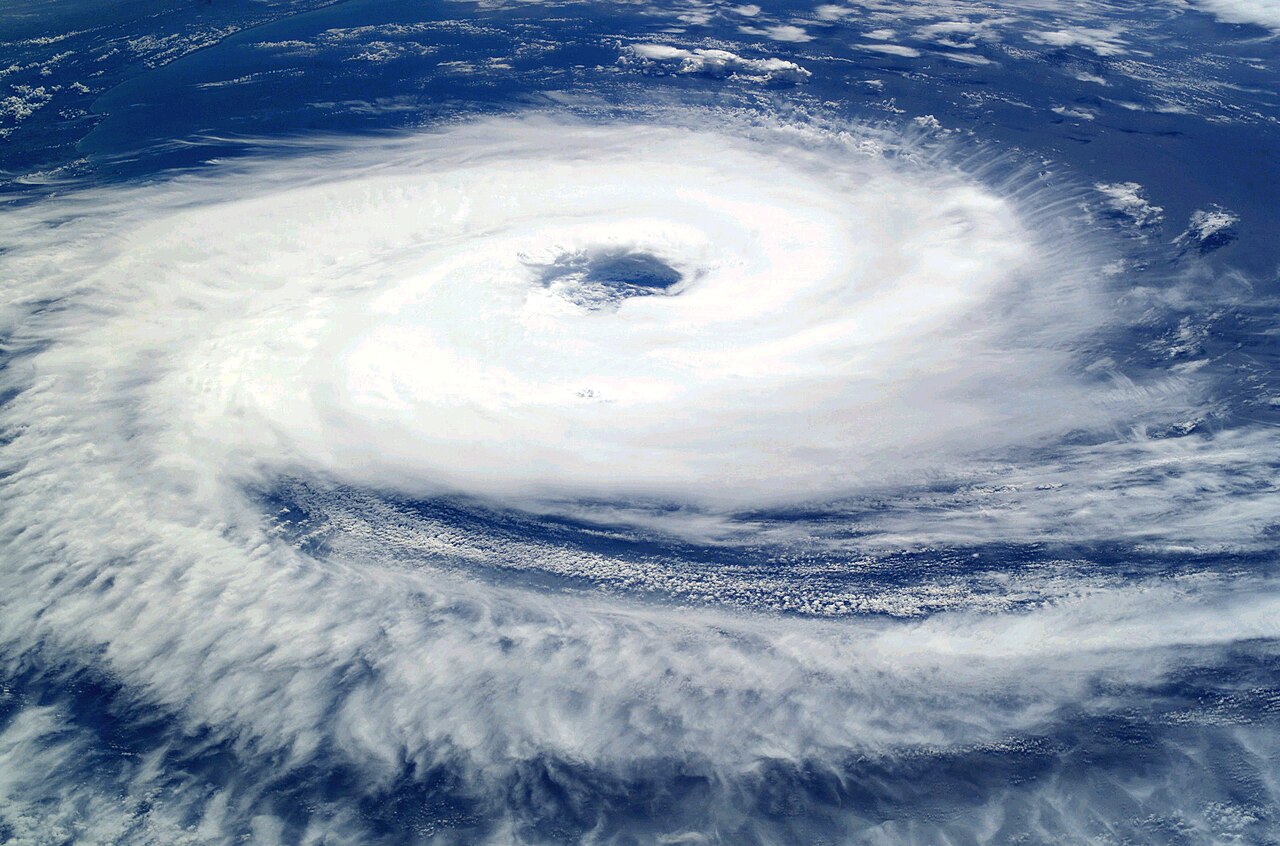




Data and observations
Reliable forecasts begin with accurate observations. Weather station networks provide surface readings; an individual weather station measures quantities such as air pressure, temperature, humidity, and wind. Observations also come from radiosondes, radar, satellites, buoys, aircraft and remote sensors. Observers and instruments together build the initial picture that numerical models require.
Methods and uncertainty
Meteorologists combine measurements with physical theory and computational models. Forecasters use numerical weather prediction models driven by equations from fluid dynamics and thermodynamics; skilled analysts then interpret model output. Human judgment adjusts model results for local effects or known biases. Because the atmosphere is a chaotic system, small observational or model errors grow with time and make long-range forecasts inherently less certain.
Typical forecast elements
- Temperature and humidity
- Wind speed and direction
- Precipitation type and probability
- Cloud cover and visibility
- Special hazards: severe thunderstorms, fog, tropical cyclones
History and development
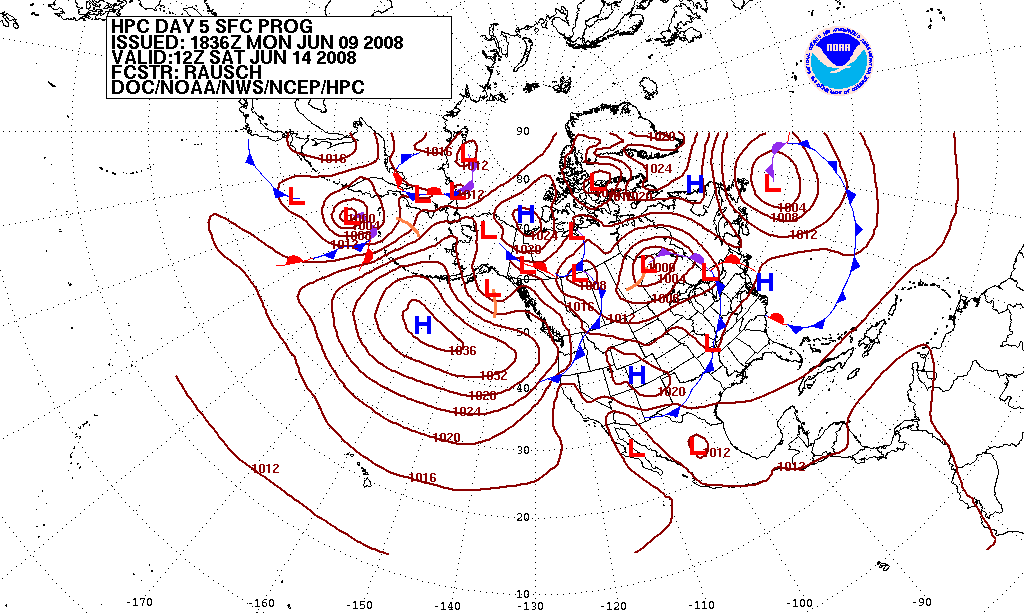
Modern forecasting developed in the 20th century as observing systems, computing power and theoretical understanding improved. Early forecasts relied on simple rules and synoptic charts; today global models run on supercomputers and ensemble systems provide probabilistic guidance. Despite technological progress, forecasters still interpret outputs to produce practical guidance.
Uses and importance
Forecasts inform everyday decisions and high-consequence activities: agriculture, transportation, emergency management, energy planning and outdoor events. Warnings based on forecasts can reduce loss of life and property by allowing timely preparations.
Distinctions and notable facts
Not all forecasts are the same: deterministic forecasts give a single scenario, while probabilistic or ensemble forecasts show ranges and chances. Users should note the difference between a forecasted value and the probability of an event. For further reading on the science and practice, see resources about the meteorologists, the role of fluid dynamics in models, and introductory material on prediction and weather.
Practical forecast products and guidance are produced by national services, private companies and media outlets; compare sources and heed official warnings. For technical tools and station networks consult regional pages and data portals linked by national meteorological agencies and research institutions (surface observations, satellite imagery).
Related articles
Author
AlegsaOnline.com Weather forecast: how forecasts are made, used, and interpreted Leandro Alegsa
URL: https://en.alegsaonline.com/art/107036