
Humidity: water vapor in the air and its effects
Humidity describes the amount of water vapor present in the air. This article explains definitions, measurement methods, impacts on health and weather, and practical distinctions like relative humidity and dew point.
Overview
Humidity refers to the quantity of gaseous water present in the atmosphere rather than liquid water in droplets. In plain terms it is the amount of water vapor mixed with the air. It is distinct from visible moisture such as fog, clouds or precipitation, which are suspensions of liquid droplets or ice crystals rather than vapor.
Image gallery
10 Images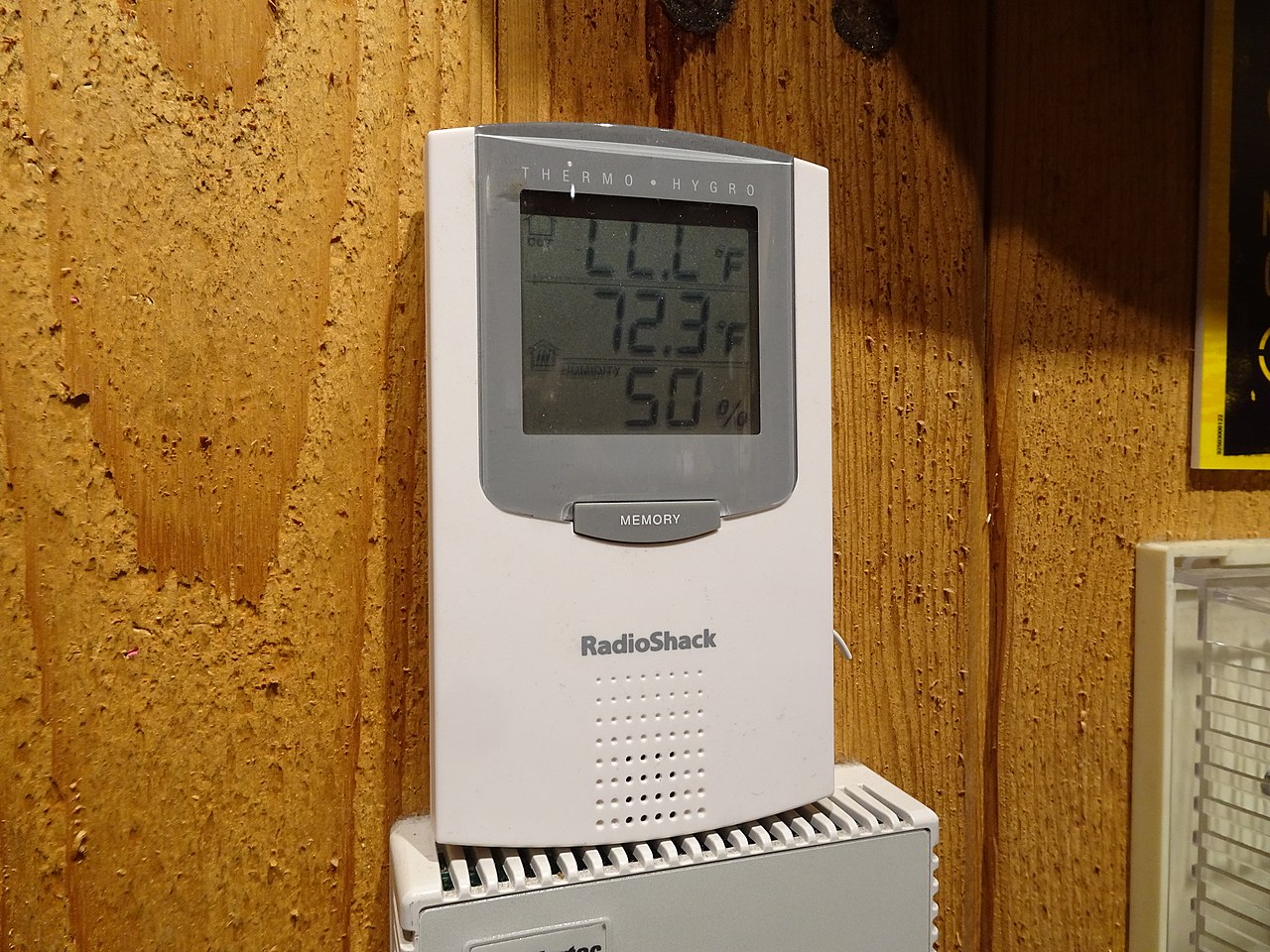



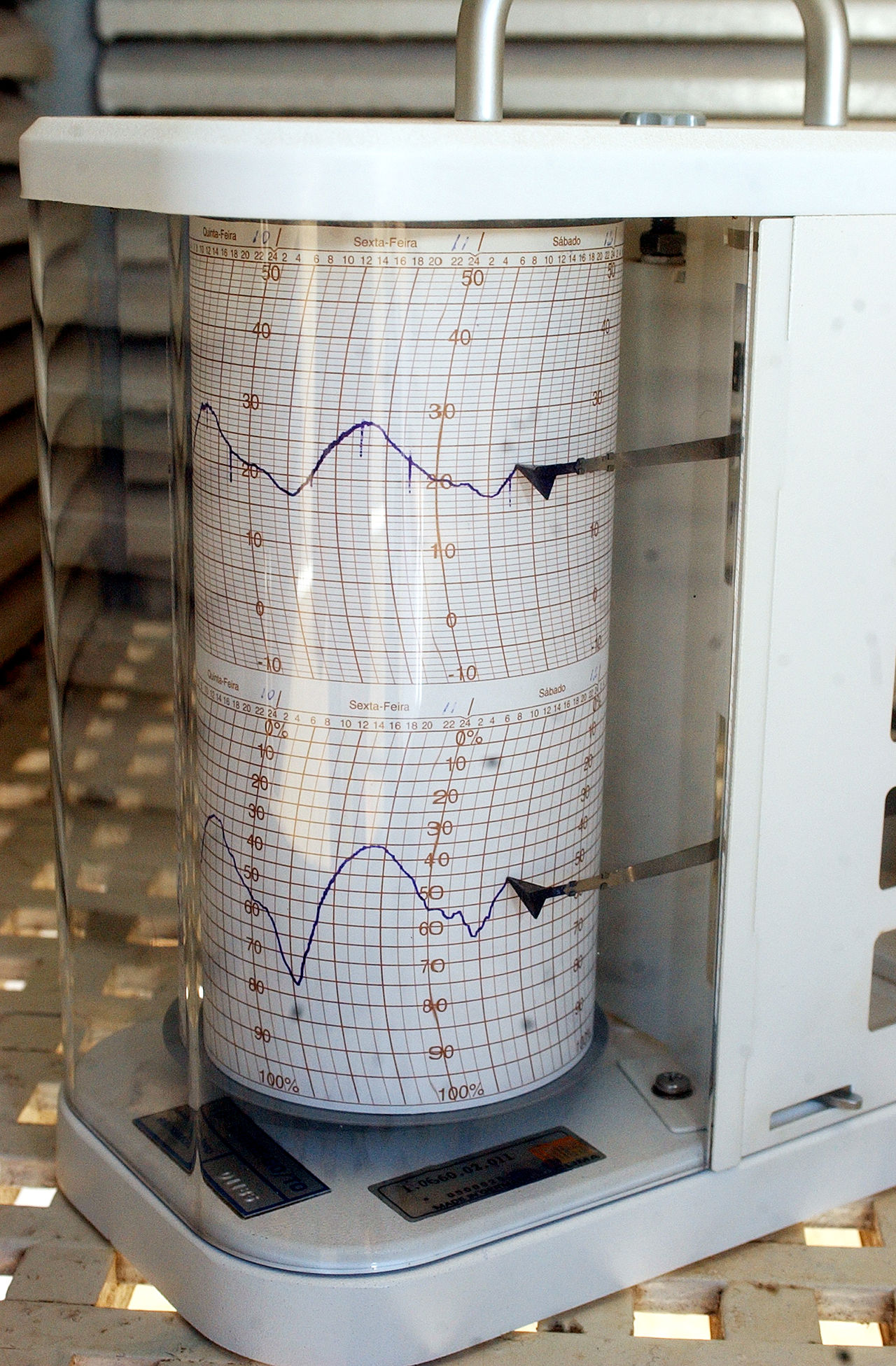
Key definitions and measures
Several ways exist to describe humidity. Relative humidity is the most commonly reported value: a percentage that compares the current amount of vapor to the maximum the air could hold at the same temperature. Other terms include absolute humidity (mass of water per unit volume of air) and specific humidity (mass of water vapor per mass of moist air). The rate of evaporation from surfaces and from the body depends on the humidity level and on temperature.
How humidity is measured
Instruments that detect and report humidity range from simple household devices to scientific equipment. A general category is the hygrometer, which may use electronic sensors, hair tension, or chilled mirrors. Weather stations and laboratories use calibrated instruments to measure humidity accurately. Simple techniques include wet- and dry-bulb thermometers (psychrometers) that derive relative humidity from temperature differences.
Effects and importance
Humidity influences comfort, health, and many physical processes. High humidity often makes warm air feel more oppressive because it reduces the effectiveness of sweating — evaporation of moisture from skin is slowed, hindering cooling. Low humidity can dry mucous membranes, increase static electricity, and accelerate drying of wood and textiles. Climate zones vary: deserts typically have low humidity, while tropical coastal regions often exhibit high humidity.
Practical uses and examples
- Weather forecasting and climate descriptions rely on humidity to predict fog, dew, and precipitation.
- Indoor climate control (HVAC) adjusts humidity for occupant comfort and to protect materials and equipment.
- Industrial processes—such as drying, fermentation, and storage of hygroscopic materials—depend on controlled humidity.
Distinctions and notable facts
Understanding the difference between related concepts is useful. The everyday adjective "humid" refers to air that feels moist. Relative humidity can be high even when the absolute amount of water vapor is modest if the air is cool, because cooler air holds less vapor before becoming saturated. The dew point (the temperature at which air becomes saturated and condensation begins) is an absolute indicator of moisture and is often used alongside relative humidity to describe comfort and weather conditions.
Because humidity directly affects the evaporation of water, it plays a central role in hydrology, agriculture, building maintenance (mold and corrosion risks), and human well-being. Simple measures such as ventilation, dehumidifiers, or humidifiers are commonly used to manage indoor moisture. For more technical guidance and instrument choices see resources on sensing and measurement at water vapor basics and technical references on hygrometers.
For introductory reading and practical tips about measuring and controlling humidity in homes and workplaces, consult authoritative glossaries and local meteorological guidance via links to weather services and HVAC resources: air science, visibility and fog, and cloud physics.
Understanding humidity helps explain everyday sensations—from feeling "muggy" on a summer day to noticing dry skin in winter—and underpins many technical fields that manage moisture for health, comfort, and product integrity.
Questions and answers
Q: What is humidity?
A: Humidity refers to the amount of water vapor present in the air.
Q: Why do deserts usually have low humidity?
A: Deserts have low humidity because they have very little water, which means there is less water vapor in the air.
Q: What regions usually have high humidity?
A: Tropical regions usually have high humidity because they are very warm and have a lot of water.
Q: What does "humid" often mean?
A: "Humid" often means that the humidity is high, which gives the feeling of being very damp (wet air), stuffy, or even sweltering when the temperature is also high.
Q: How is the effectiveness of sweating in cooling the body affected by humidity?
A: Higher humidity reduces the effectiveness of sweating in cooling the body by reducing the rate of evaporation of moisture from the skin.
Q: What is relative humidity?
A: The term "relative humidity" is used to note the amount of humidity as a percent, from 0-100%.
Q: How do meteorologists measure humidity in the air?
A: Meteorologists use hygrometers to measure the humidity in the air.
Related articles
Author
AlegsaOnline.com Humidity: water vapor in the air and its effects Leandro Alegsa
URL: https://en.alegsaonline.com/art/45707