
Military: organization, roles, branches, history, and modern developments
Overview of the military as an armed organization: structure, branches, roles, recruitment, history, mercenaries and private forces, and contemporary responsibilities including land, sea, air and space.
The military is an organized, state-sanctioned armed force charged with protecting a country's interests, territory and population. Its core responsibility is defense against hostile armed groups and, when directed by civil authorities, projecting power beyond borders. The term has roots in Latin (miles, meaning "soldier") and in modern practice covers a wide range of activities from combat operations to logistics, humanitarian assistance and support to civil authorities. Governments exercise legal authority over their armed forces and set policy for when, how and under what rules they may use force; the relationship between the military and the state is central to civil-military relations and public accountability. For general discussion of national roles see country and the concepts of adversaries and hostility at enemies.
Image gallery
10 Images


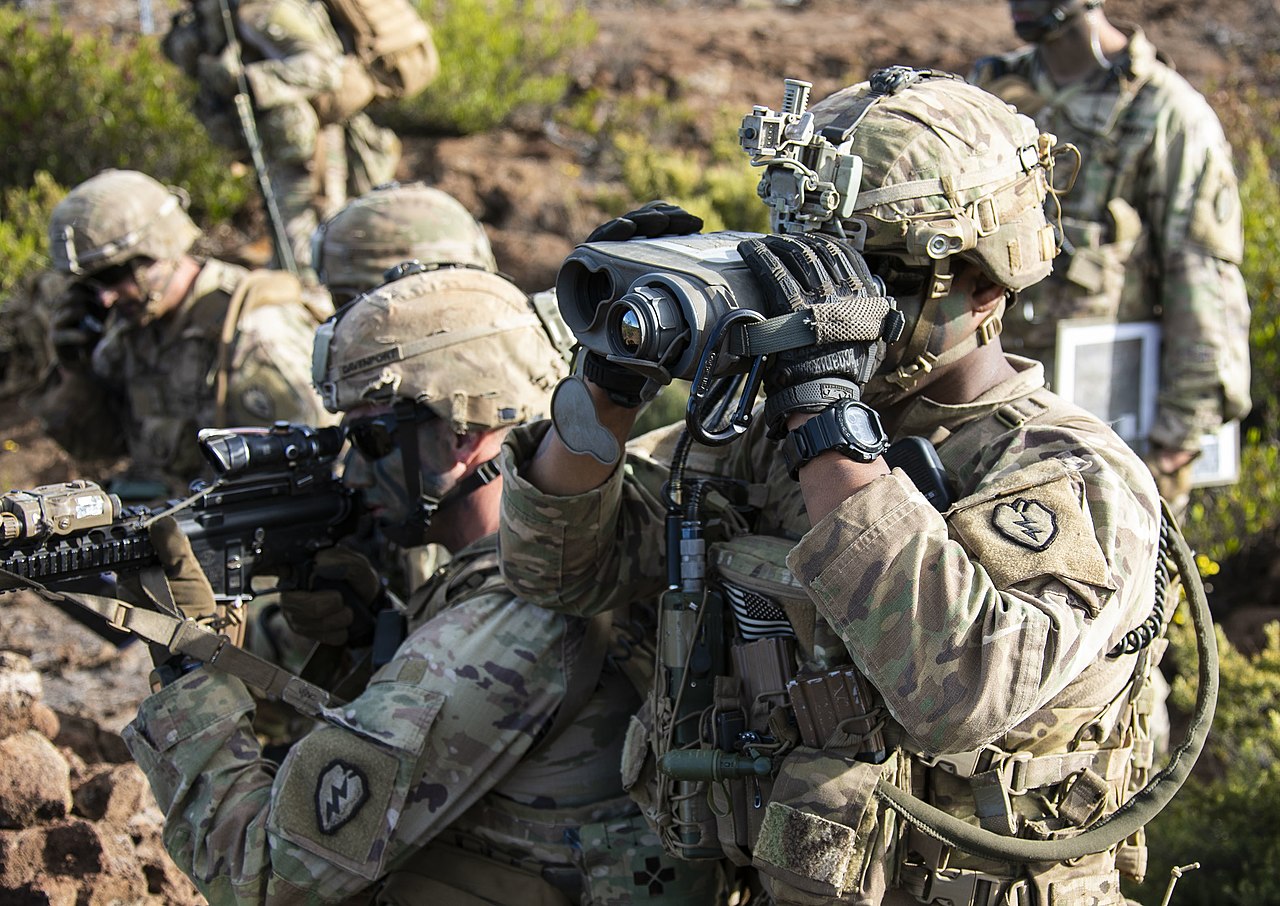


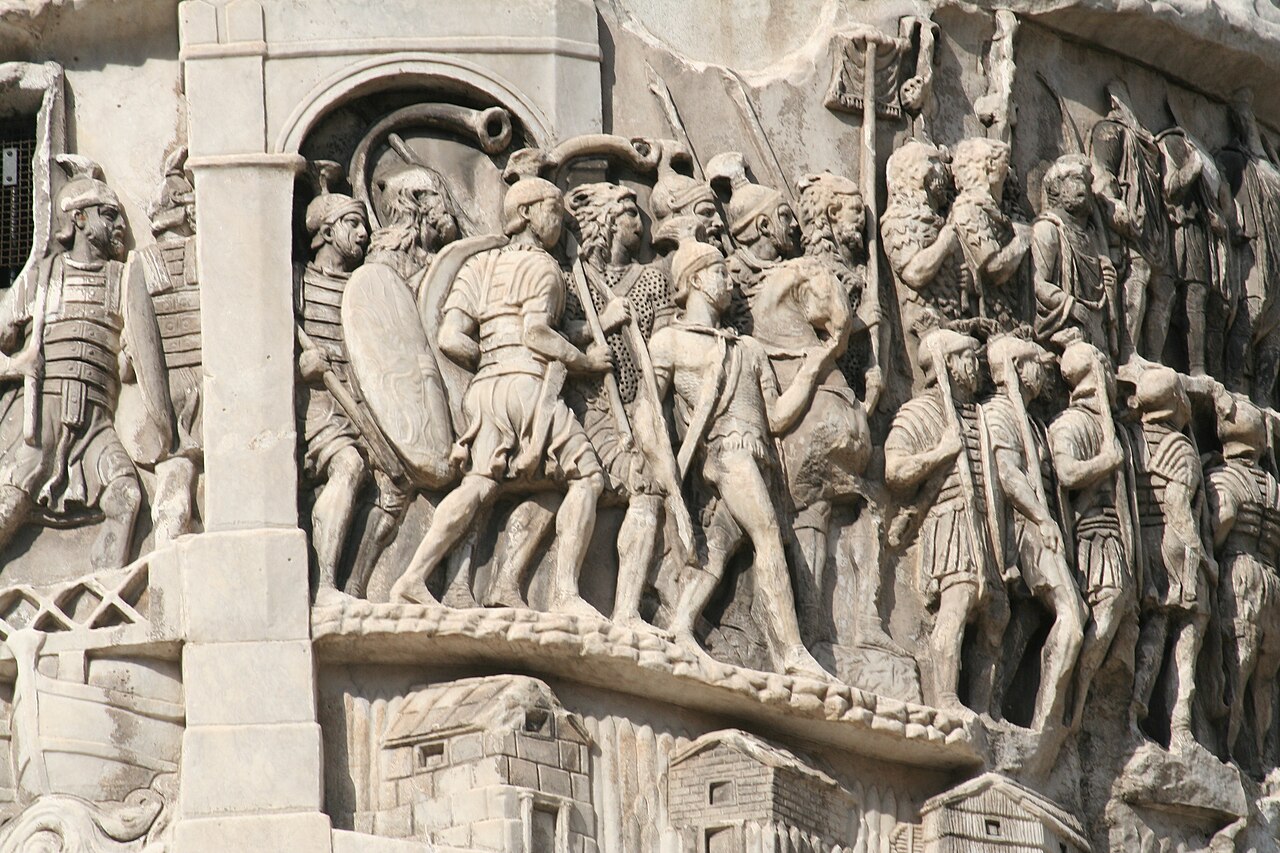
Structure and principal branches
Most nations divide their armed forces into branches that specialize by environment and mission. Typical categories include land, sea, air, marine expeditionary forces and, more recently, organizations responsible for operations in orbit. These branches coordinate through joint commands and staff to combine capabilities for specific operations. The basic division helps allocate training, equipment and doctrine in a way suited to each domain while enabling combined arms operations.
- Army (land) — Ground forces trained and equipped for operations on land, often using infantry, artillery, armored vehicles and support elements. See Army, tanks and tracked machines at tanks, and typical army aviation such as helicopters.
- Navy (sea) — Maritime forces that operate ships, submarines and naval aviation to secure sea lines, support amphibious actions and deter maritime threats. Core platforms include ships and smaller boats; personnel are often called sailors.
- Air Force (air) — Forces organized to control and exploit the air, employing fixed-wing aircraft and other aerial systems for air superiority, transport, reconnaissance and strike roles; see general reference to air forces and aircraft.
- Marines — Specialized units trained for rapid amphibious assault and operations that bridge ship-to-shore activities; they often operate in close coordination with a navy and may have their own small craft and aircraft. See Marines.
- Space-related forces — Some states have established commands or services to manage military activities in space, including satellites and related systems; these organizations are sometimes called space forces.
Roles, occupations and equipment
Within and between branches there are many specialties. Combat roles involve direct use of weapons, maneuver and tactics; support trades cover logistics, maintenance, medical care, engineering and communications. Personnel train to operate or maintain a wide range of systems: small arms, heavy weapons and electronics (weapons), land vehicles, aircraft and naval machinery. Technicians and mechanics repair engines and complex equipment (repair engines), while pilots learn specialized skills in aircraft and naval aviators may serve from ships. Uniforms identify service and rank; specialized garments such as uniforms and camouflage patterns are used for protection and concealment in environments like forest or desert.
Recruitment, service and veterans
People join armed forces for many reasons: voluntary enlistment, career opportunity, education and incentives, or because of legal obligations. Compulsory service—often called the draft or conscription—is imposed by law in some countries and is based on criteria such as age and physical fitness. Others rely largely on professional volunteer forces. Those who leave active duty may serve in reserve components or become veterans, eligible for benefits and recognition. Reserve forces provide trained personnel who can be mobilized for emergencies or large-scale operations.
History, private forces and irregular actors
Armed organizations have existed in many forms across history, from citizen militias to standing professional armies. Outside state control, mercenaries and private military companies have supplied combat and security services for pay; such actors include historical groups like the Italian condottieri and modern private military contractors. Warlords or other non-state leaders may maintain private armies with variable legality and accountability (warlord). Some units, known as special forces, are organized and trained to carry out high-risk, precision missions often requiring unique skills and secrecy. The development of military technology, doctrine and law—from siegecraft to nuclear deterrence and cyber warfare—has continually reshaped how states and non-state actors use force.
Uses, limits and notable distinctions
Modern militaries perform a broad spectrum of tasks: national defense and deterrence, participation in multinational peacekeeping, humanitarian assistance during disasters, counterinsurgency, intelligence collection and protection of critical infrastructure. Decision-making about deployment normally lies with civilian leadership, constrained by domestic law and international norms. Important distinctions include the difference between regular armed forces under government command and private contractors (PMCs) or mercenaries, who operate under commercial contracts; the legal status and rules of engagement for each category differ. Other legal and ethical issues concern conscription laws (laws), the treatment of prisoners and the protection of civilians in armed conflict. Overall, armed forces are instruments of state policy whose size, composition and doctrine reflect a country's history, threat perceptions and strategic choices.
Further topics and resources
For readers seeking specific information, consider resources on doctrine, training, and the operational roles of individual branches such as Army, Navy, Air Force, and marine or space organizations. Study of logistics, equipment procurement, and the social impact of military service sheds light on how armed forces function within society. For background reading or official material consult appropriate national sources and legally authorized publications (organizations). Legal frameworks and debates about recruitment, the draft (conscription) and the use of private actors (PMCs) remain active areas of policy discussion. Other useful entry points include operational examples such as amphibious landings by Marines, naval logistics around boats and carriers, and contemporary roles in space and cyber domains. For conceptual clarity, compare professional volunteers and reserve personnel with irregular fighters and mercenaries, and consider how public law and national defense policy shape the modern military enterprise.
Additional reading and reference links: enemies, war, weapons, vehicles, aircraft, ships, repair, uniforms, camouflage, forest, desert, laws, fitness, veterans, tanks, helicopters, Navy, sailors, special forces, warlord.
Questions and answers
Q: What is the military?
A: The military is a group or groups of people that are given power to defend something, usually a country. They are armed and protect their country by defending it from enemies in times of war.
Q: Where does the word "military" come from?
A: The word "military" comes from Latin miles, which means warrior.
Q: What kinds of jobs can be done in the military?
A: People in the military use weapons, drive vehicles, repair weapons, fly aircrafts, pilot ships, repair engines, and wear uniforms.
Q: How do people join the military?
A: In many countries people join voluntarily while other countries require conscription or draft laws based on age and physical fitness.
Q: Who are veterans?
A: Veterans are old or former members of the military who have served their country.
Q: What branches make up a typical military organization?
A: A typical military organization consists of an Army (land), Navy (sea), Air Force (air), Marines (land/sea) and Space Force (space).
Q: What is a private army or PMC? A Private Army is an army made up of mercenaries who fight for pay with little loyalty to whoever hires them. Private Military Contractors (PMC) are under civilian command and were historically exemplified by Medieval Italian condottieri.
Related articles
Author
AlegsaOnline.com Military: organization, roles, branches, history, and modern developments Leandro Alegsa
URL: https://en.alegsaonline.com/art/64985