
Land (geography, characteristics and uses)
Overview of land as the terrestrial portion of Earth: definitions, physical features, formation, uses, legal and cultural importance, and how land differs from water and other environments.
Overview
Land commonly refers to the solid surface of Earth that is not permanently covered by open water. It can mean a specific parcel or territory: for example, a territory or part of a country. In global terms, dry land constitutes roughly 29% of Earth's surface, while the remainder is occupied by oceans and other bodies of liquid water such as seas and large lakes (Earth, water).
Image gallery
10 Images




Physical characteristics
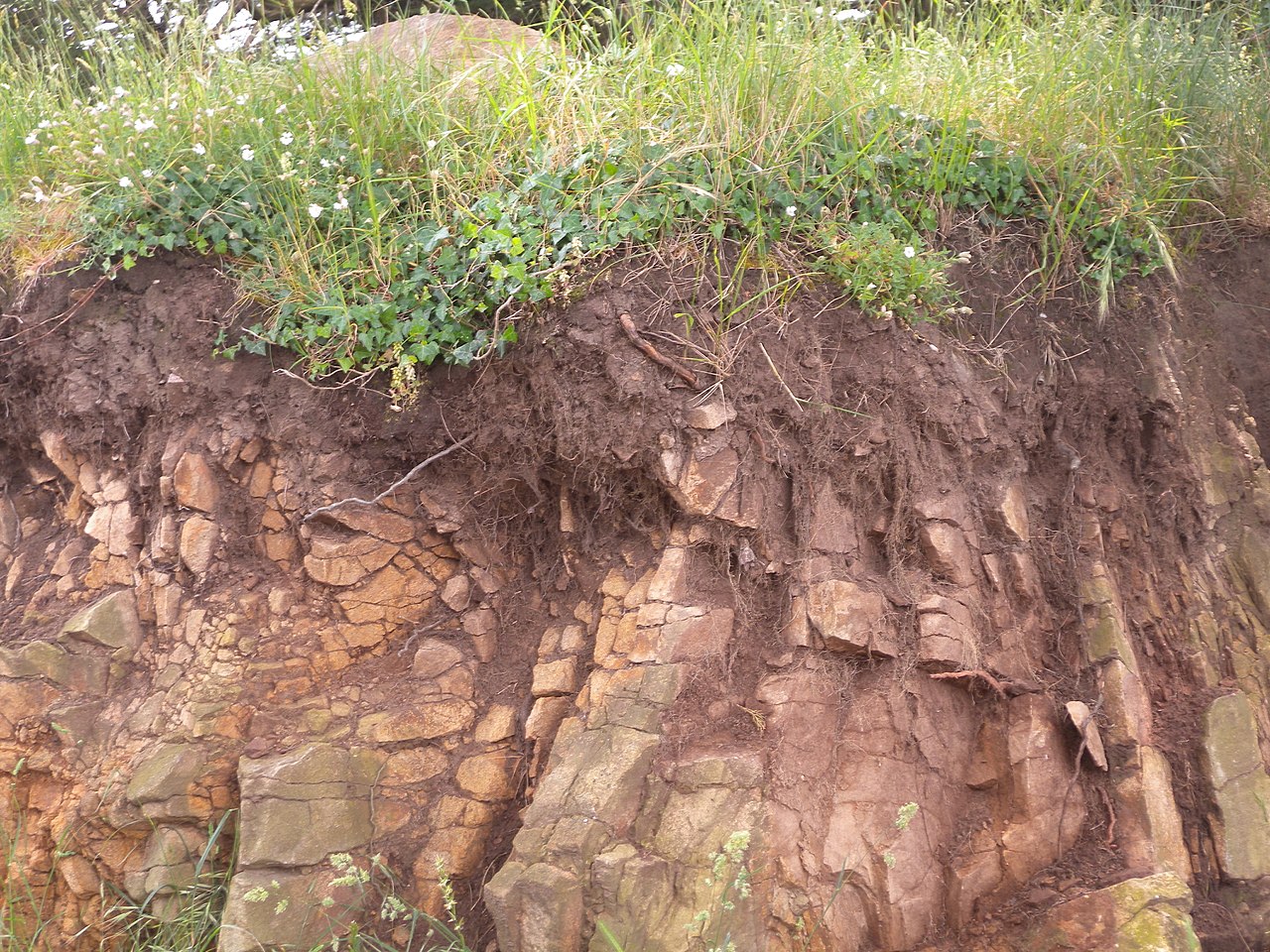
Land includes a variety of physical forms and materials. Surfaces range from rich, organic soils to bare rock and artificial pavements. Common natural surface types include soils, areas strewn with stones, dunes composed of sand, and expanses of finer dirt or loam. Topography varies from plains and plateaus to mountains and valleys; climate and bedrock influence the visible landscape and the vegetation that can grow there.
Formation and development
Landforms result from a combination of internal and external processes. Plate tectonics builds continents and mountain ranges, while weathering, erosion, deposition and glaciation sculpt surfaces over long periods. Sea-level changes, sediment accumulation and volcanic activity continually modify coastlines and islands. Human activity has also altered vast areas through agriculture, urbanization and engineering.
Uses and importance
Land provides the foundation for most human activities: food production, housing, industry, transport and recreation. Agricultural soils support crops and grazing; forests and wetlands supply resources and ecosystem services; urban land concentrates infrastructure and economic functions. Conservation of certain land areas preserves biodiversity, water regulation and cultural landscapes.
Legal, economic and cultural aspects
Land ownership, tenure and management are central to law and economy. Rights to occupy, use, transfer or extract resources from land vary by jurisdiction and custom. Many cultures attach identity and spiritual significance to particular places, and disputes over boundaries or access remain common worldwide. Planning and zoning regulate how land may be used in the public interest.
Distinctions and notable facts
Distinctions are made between continental land, islands and artificial landforms such as reclaimed areas. The boundary between land and water can be ambiguous at coasts, wetlands and tidal zones. Although terrestrial environments occupy less than a third of the planet, they host the majority of terrestrial biodiversity and most human populations. For additional context about regions, governance and environmental concerns, see regional overviews and policy discussions via the linked resources above.
- Types of land use: agriculture, forestry, urban, conservation, transport and recreation.
- Common processes shaping land: tectonics, erosion, deposition, biological activity.
- Key issues: land degradation, urban sprawl, land rights and sea-level rise.
For more specific studies—such as soil science, geomorphology, land tenure systems and planning practice—specialized sources and regional data are recommended. The links included in this entry point to further topical material and regional descriptions.
Questions and answers
Q: What is the definition of land?
A: Land refers to some territory that forms part of a country.
Q: What does dry land mean?
A: Dry land refers to the parts of the Earth's surface that are not covered by the ocean or any other permanent body of water.
Q: How much of the surface of Earth is dry land?
A: About 29% of the surface of the Earth is dry land.
Q: Can land have different types of soil?
A: Yes, land can have different types of soil such as stones, sand, dirt, and others.
Q: What are some of the characteristics of land?
A: Land can have different types of soil and can be covered with stones, sand, dirt, etc. Also, sometimes it is not clear where land ends and a body of water begins.
Q: What percentage of Earth's surface is covered with liquid water?
A: The rest of the Earth's surface, which is about 71%, is covered with liquid water.
Q: What is the difference between land and a body of water?
A: Land refers to some territory that forms part of a country, while a body of water is a permanent water surface that covers a part of the Earth's surface. Sometimes it's not easy to distinguish where land ends and a body of water begins.
Related articles
Author
AlegsaOnline.com Land (geography, characteristics and uses) Leandro Alegsa
URL: https://en.alegsaonline.com/art/55795