
Organization: concept, structures, history, functions and types
An overview of organization as a concept and a group: definitions, characteristics, historical development, common types, roles and practical importance in coordinating people and resources.
Overview
In general usage, an organization is either the act of arranging elements in a coherent way or a collective of people who coordinate activity to achieve shared goals. The English word appears in two common spellings; see Organisation (British) for the variant spelling. As a process, organizing involves ordering resources, tasks and information; see examples of structured ordering at related references.
Image gallery
1 Image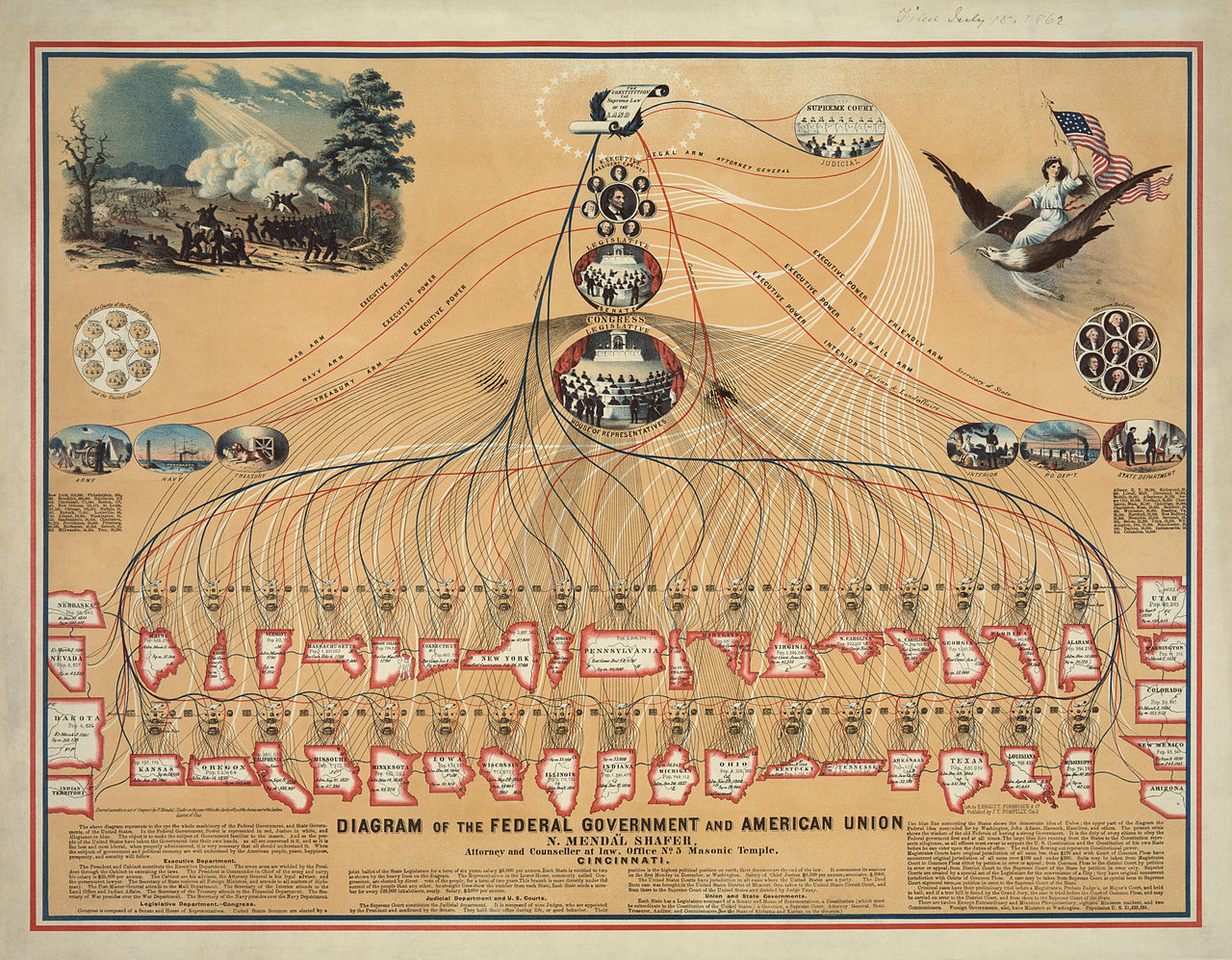
Core characteristics
Most organizations share a set of basic features that enable coordinated effort. These include formal roles, recurring processes, boundaries that distinguish members from non-members, and objectives such as producing goods, providing services, advocating ideas or coordinating public functions. Typical elements include:
- Structure: how roles and authority are arranged, often shown in an organizational chart.
- People and roles: positions filled by individuals or teams; the simple idea of a group of people working together is central; see groups and teams.
- Leadership and governance: those who direct, make policy and resolve conflict; leadership types vary by culture and legal form — see leadership resources.
- Processes and systems: routines for communication, decision-making and resource allocation.
Historical development
Collective organization has ancient roots—families, clans, craft guilds and religious institutions all organized people and work. The rise of large-scale trade, bureaucratic states and industrial production expanded organizational forms in scale and complexity. Over time, concepts such as division of labor, managerial hierarchy and formal governance evolved to manage larger and more specialized enterprises.
Types and distinctions
Organizations take many legal and social forms. Common categories include commercial firms, non-profit associations, governmental agencies, cooperatives and informal networks. Distinctions that matter in practice include whether an organization is formal or informal, centralized or decentralized, hierarchical or networked. An organization differs from an institution in that institutions are broader social systems (for example, the education system) while organizations are specific entities within such systems.
Functions, uses and examples
Organizations exist because coordinated groups can accomplish more than individuals working alone. Key functions are pooling resources, enabling specialization, achieving economies of scale, distributing risk and sustaining collective learning. Everyday examples are businesses that manufacture goods, charities that deliver services, universities that generate knowledge, and local associations that manage community activities.
Notable considerations
Effective organizations balance stability with adaptability: clear roles and shared culture help coordinate action, while flexible processes and leadership encourage innovation. Contemporary debates emphasize networked structures, digital collaboration tools, governance transparency and the social responsibilities of organizations. Whether small volunteer groups or multinational corporations, organizations remain fundamental building blocks of modern social and economic life.
Related articles
Author
AlegsaOnline.com Organization: concept, structures, history, functions and types Leandro Alegsa
URL: https://en.alegsaonline.com/art/73104