
Mass media: forms, history, functions, and contemporary trends
Overview of mass media: principal forms (print, broadcast, digital), historical development, social functions, differences among channels, and modern challenges including convergence and misinformation.
Mass media refers to channels that communicate information, ideas and entertainment to large, diverse audiences simultaneously. Traditional examples include radio, television and printed newspapers and magazines, while contemporary forms are dominated by the internet and websites. Mass media deliver news, cultural content, advertising and public service information, and they shape how communities learn about events beyond their immediate surroundings. The general concept of media as a public conduit is often summarized simply as media.
Image gallery
10 Images





Major forms and characteristics
- Broadcast media — audio and audiovisual channels such as radio and television, valued for immediacy and wide reach.
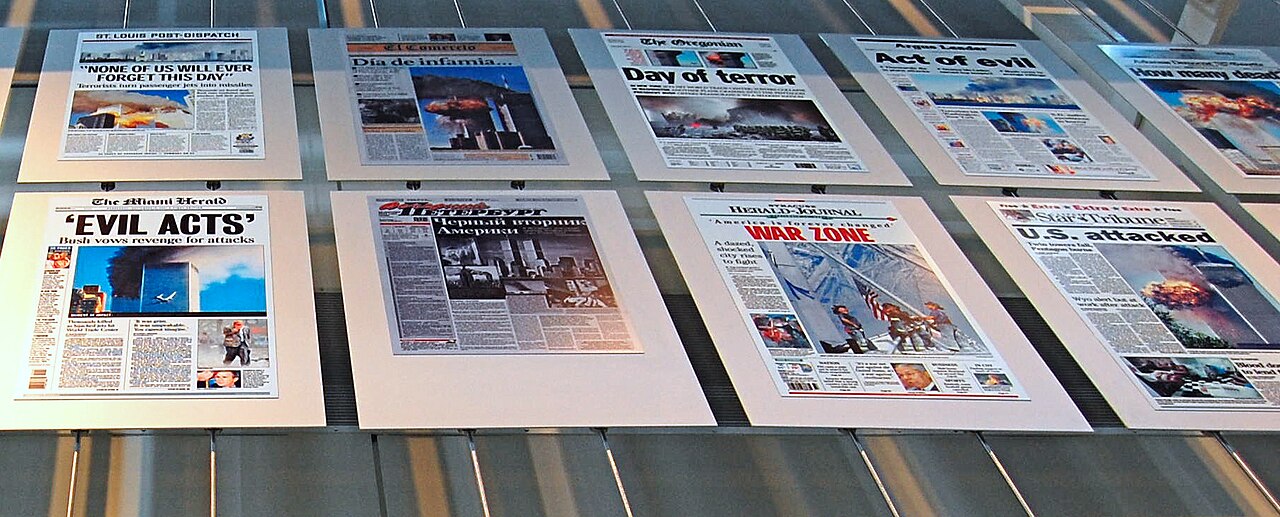
- Print media — newspapers, periodicals and books; examples include daily newspapers, specialist magazines and longer-form books, often used for archival and detailed analysis.
- Digital media — internet platforms, social networks and independent websites, which enable rapid distribution and interactive forms of engagement; large reference sites such as Wikipedia and portals like about.com are typical examples.
- Institutions and collections — public libraries, archives and preserved manuscripts that sustain longer-term access to recorded knowledge and culture.
The content distributed by mass media ranges from breaking news and live entertainment (including music) to opinion, analysis and educational material. Media vary by speed, depth, accessibility and the degree of editorial control; newspapers and books tend to provide more depth, while broadcast and online outlets emphasize speed and broad reach. The availability of digital search and aggregation tools has made information more discoverable for individuals worldwide.
History and development
The phrase "mass media" emerged in the early 20th century as radio networks and mass-circulation newspapers and magazines created new possibilities for nationwide communication. Nevertheless, many forms of mass communication predate that term: printed books and long-established manuscript traditions have been influential for centuries. The 20th century saw the expansion of broadcast media and, later, the transformative arrival of the web, which blurred lines between producers and audiences.
Today mass media function across an ecosystem in which broadcasters, publishers, libraries and online platforms operate simultaneously. Institutions that collect and curate materials — such as public libraries and academic repositories — remain central to preserving cultural memory and enabling research, while dynamic online spaces extend access and participation.
Notable contemporary challenges include the consolidation of media ownership, the spread of misinformation, debates over content moderation, and the economic pressures on local journalism. At the same time, technological convergence has expanded opportunities for niche publishing, direct audience engagement and multimedia storytelling. Understanding mass media therefore requires attention to both the technical forms of delivery and the social, economic and legal contexts that shape what audiences see, hear and read.
Related articles
Author
AlegsaOnline.com Mass media: forms, history, functions, and contemporary trends Leandro Alegsa
URL: https://en.alegsaonline.com/art/62671