
Weather: Causes, Elements, Measurement, Forecasting and Impacts
Concise encyclopedia entry on weather: definition, main phenomena, measurement instruments, forecasting methods, impacts of severe events, and links to observation networks and preparedness.
Overview
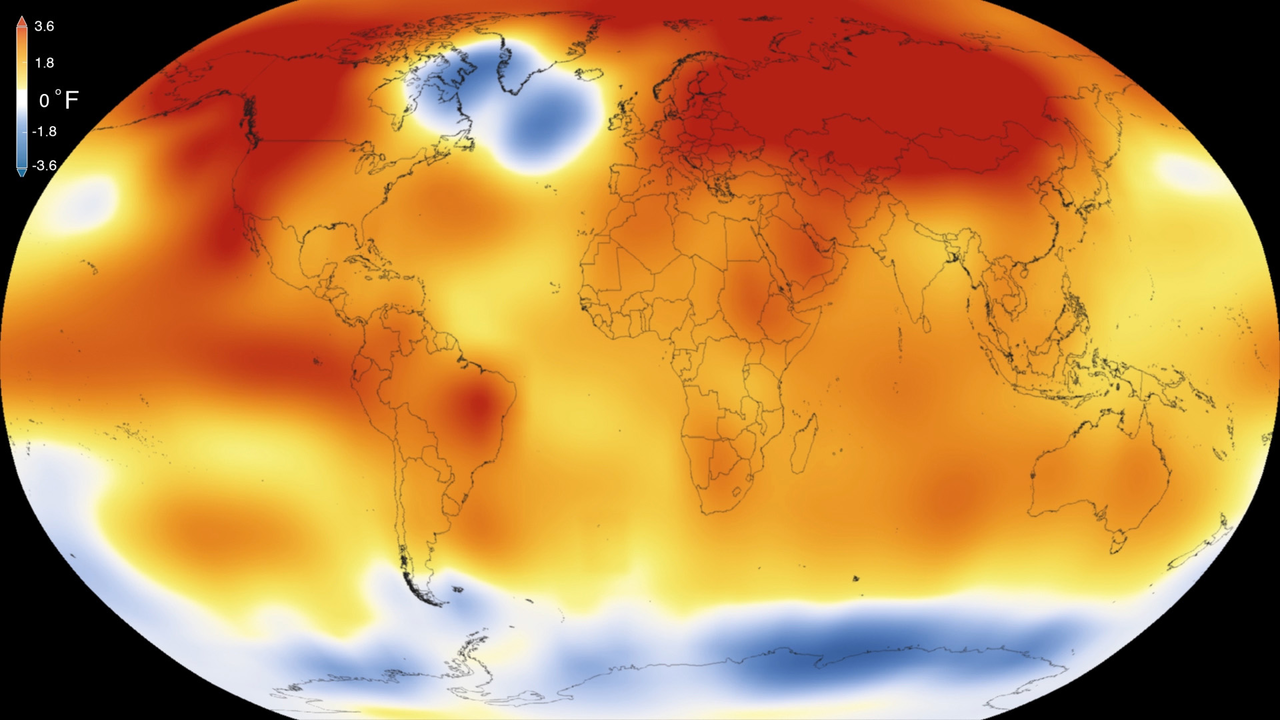
Weather is the condition of the atmosphere at a particular place and time, varying from day to day and even from hour to hour. It includes short-term phenomena such as temperature changes, cloud cover, wind, and precipitation. Weather should be distinguished from climate, which describes long-term averages and patterns. The main physical driver of weather is incoming solar energy, distributed unevenly across the globe, together with the composition and motion of the atmosphere.
Image gallery
10 Images




Elements and common phenomena
Typical weather elements recorded by observers and instruments include air temperature, humidity, atmospheric pressure, wind and precipitation. Common phenomena include:
- Wind and breezes produced by pressure differences.
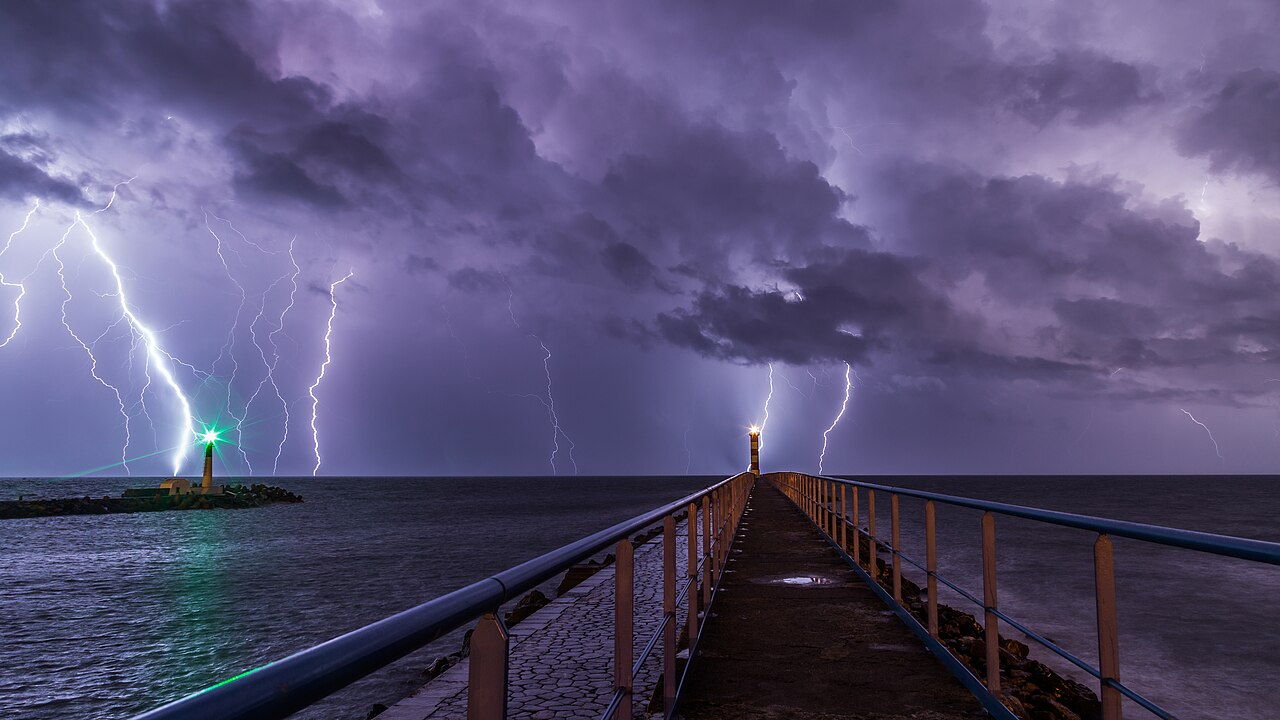
- Lightning and thunder associated with convective storms.
- Thunderstorms that may bring heavy rain and hail.
- Tornadoes, also called twisters, intense localized vortices.
- Rain, snow and other types of precipitation.
Measurement and observing systems
Weather is monitored by a worldwide network of weather stations, surface observing sites, radiosondes, radar installations and satellites. Observations commonly report wind speed, wind direction, temperature, and humidity, along with pressure and visibility. Marine buoys and ocean platforms extend coverage over seas and oceans. International cooperation ensures data exchange among national services and research centers, enabling broad situational awareness and long-term records at global and regional scales.
Forecasting and models
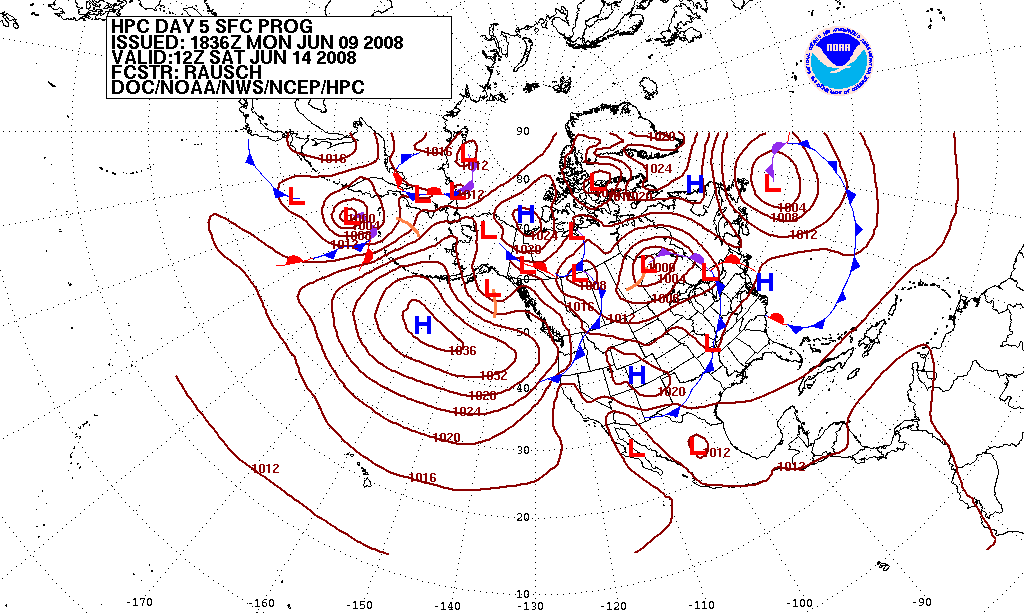
Meteorologists use observations and physics-based numerical weather prediction to forecast future conditions. They run complex models on high-performance computers and develop statistical and ensemble approaches to quantify uncertainty. Forecasts and weather warnings are issued to help the public and decision makers prepare. Researchers also apply mathematical methods to improve model accuracy and to study extreme-event probabilities.
Causes and large-scale drivers
Uneven solar heating, the rotation of the Earth, and differences between land and ocean surfaces create pressure gradients and wind patterns. Seasonal changes due to the Earth's tilt influence temperature and precipitation cycles, while large-scale features such as jet streams and ocean currents modulate regional weather. Energy and moisture exchanges between the surface and the atmosphere determine storm development and the potential for heavy precipitation or drought conditions; human activities can modulate these processes at local to regional scales.
Severe weather and impacts
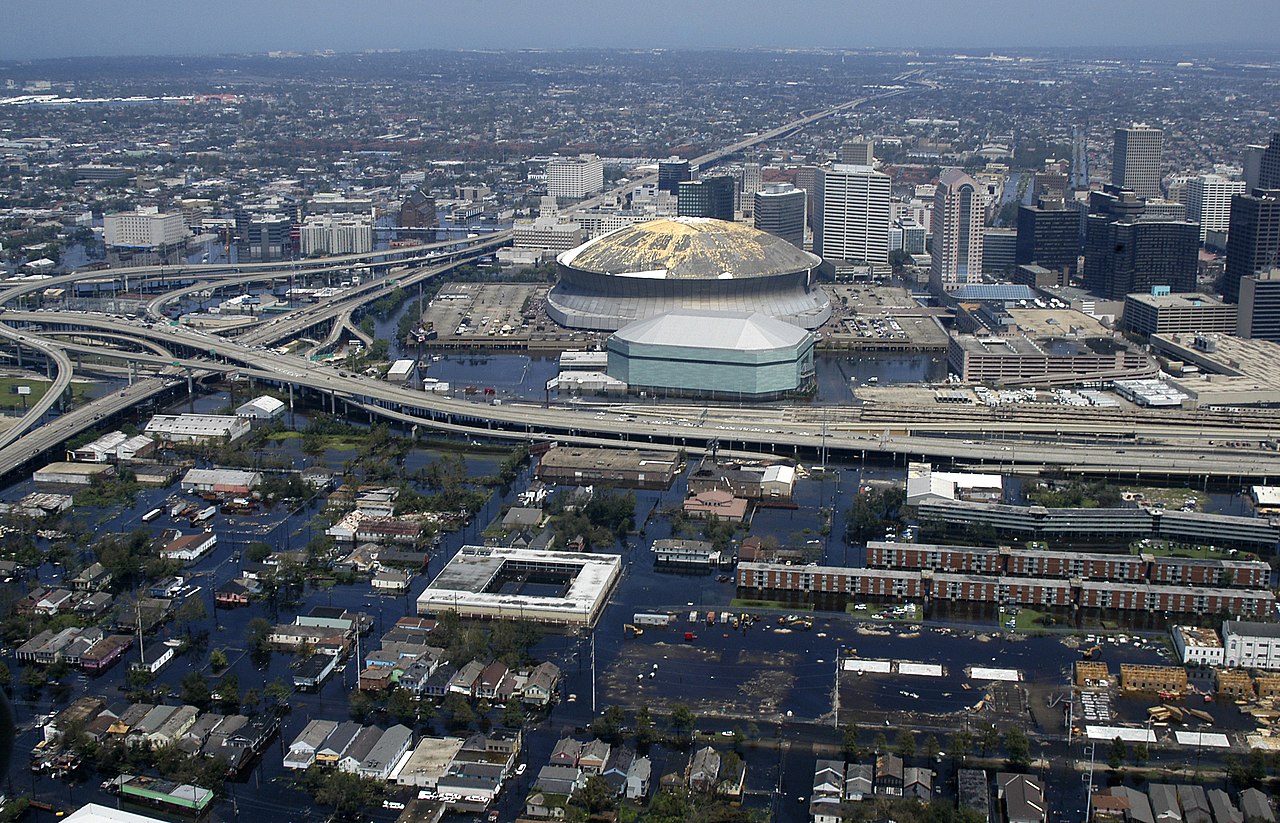
Severe weather — including hurricanes, severe thunderstorms, flash floods, heat waves and blizzards — can harm people, infrastructure and ecosystems. Preparedness measures such as building codes, early warning systems and community plans reduce risk. Emergency services and public information rely on timely forecasts from national meteorological services and local authorities to coordinate responses and protect public safety; see resources from official lifestyle guidance and food safety when supply chains are disrupted.
Human relevance and adaptation
Weather affects agriculture, transportation, energy demand and daily routines. Farmers depend on seasonal and short-term forecasts to schedule planting and harvesting; energy providers adjust supply for heating or cooling demand. Urban planning and infrastructure design increasingly consider historical weather records and projections to improve resilience. Public health is also sensitive to weather extremes, with heat waves and cold snaps posing risks to vulnerable populations.
Observation networks, data and resources
Data from observing systems are archived and made available by many national and international organizations. Definitions, measurement standards and outreach materials help citizens understand forecasts and take appropriate precautions. Practical advice and local forecasts are available from national meteorological services, local networks and community organizations that operate stations and provide training on how to interpret weather information; consult national directories and global compilations for authoritative sources (solar and atmospheric radiation topics, energy balance studies, and applied measurement techniques).
For learners and professionals, introductory courses and operational manuals describe instruments, observing practices and forecasting techniques. Continued research into atmospheric processes, better observations and improved computing power aim to make forecasts more accurate and to reduce harms from extreme weather events.
Further reading and official repositories of observational data, training materials and public guidance can be found through cooperative networks and government services; for data access, station catalogs, model descriptions and warning criteria consult national agencies and international programs that coordinate observing networks and information exchange.
Additional technical and outreach links include resources on instrumentation (anemometers and sensors), platform types (radiosondes and buoys), and institutional contacts for research and emergency management (temperature monitoring protocols, humidity standards). Background material and tools for educators and the public are available through many educational portals and data services (wind, storms, tornado safety, rainfall measurement, snow reporting, and model outlets).
For operational guidance and up-to-date advisories consult local authority bulletins and national meteorological centers. International collaborations and shared data underpin modern weather science and its applications to society.
Questions and answers
Q: What is weather?
A: Weather is the day-to-day or hour-to-hour change in the atmosphere. It includes wind, lightning, storms, hurricanes, tornadoes (also known as twisters), rain, hail, snow and more. Energy from the Sun also affects the weather.
Q: What is climate?
A: Climate tells us what kinds of weather usually happen in an area at different times of the year.
Q: How does weather affect our lives?
A: Changes in weather can affect our mood and life. We wear different clothes and do different things in different weather conditions and choose different foods in different seasons.
Q: How do meteorologists measure weather?
A: Meteorologists measure wind speed, wind direction, temperature and humidity to make forecasts for the future. They use computers to build large mathematical models to follow weather trends.
Q: What are examples of severe weather?
A: Examples of severe weather include storms, hurricanes, tornadoes (also known as twisters), heavy rain or snowfall that can hurt people and their property or just be a bother.
Related articles
Author
AlegsaOnline.com Weather: Causes, Elements, Measurement, Forecasting and Impacts Leandro Alegsa
URL: https://en.alegsaonline.com/art/107042