
Retail: The Business of Selling Goods to Final Consumers
Retail is the sale of goods and services in small quantities to end users. This article explains retail formats, channels, history, supply relationships, uses, and how it differs from wholesale and distribution.
Retail refers to the sale of goods or services directly to the people who will use them, rather than to businesses that will resell them. Retailers acquire merchandise from producers or intermediaries and offer it in quantities, assortments, locations and presentations that meet consumer needs. Everyday examples include buying shoes, groceries, clothing or electronics for personal use. Retail exists wherever a final purchase is made by an individual or household.
Image gallery
10 Images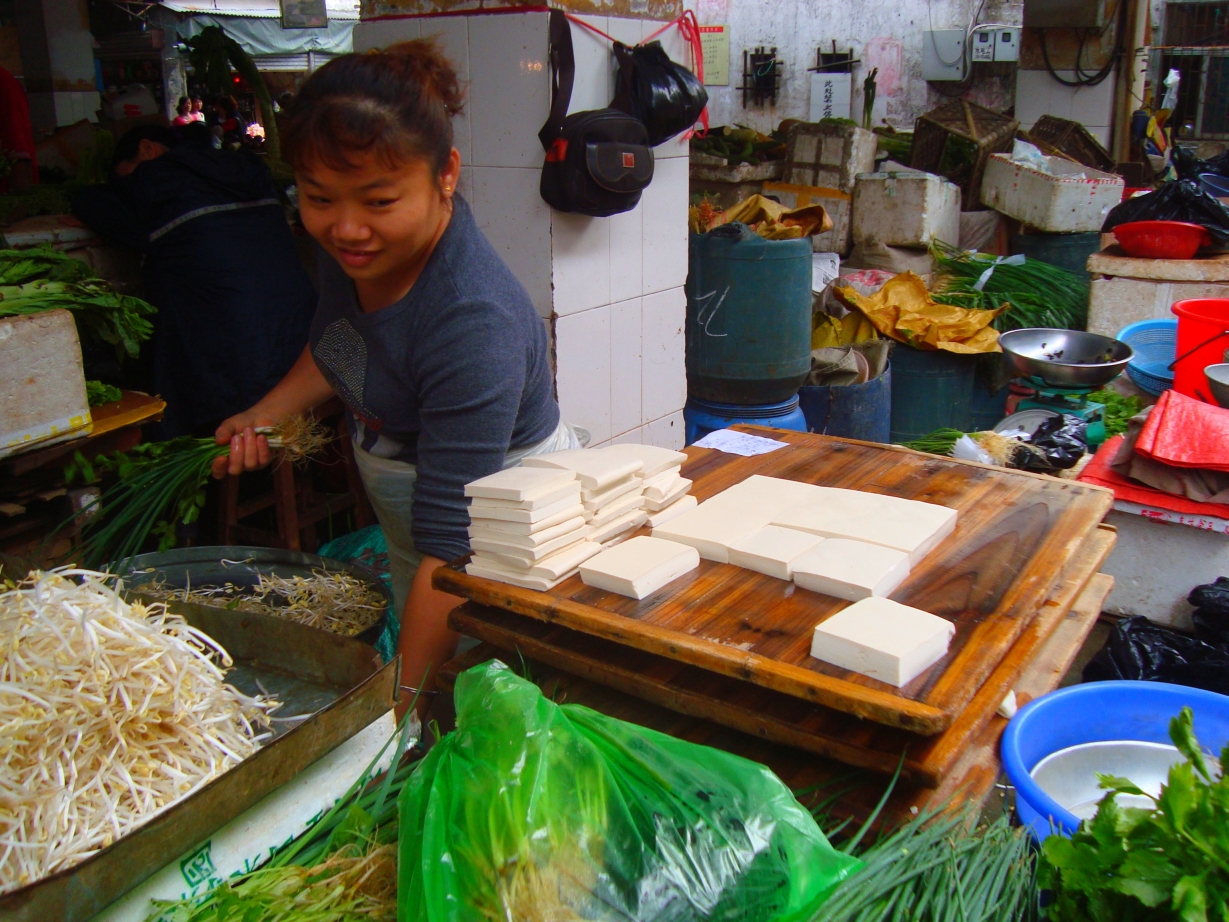




Core characteristics and common formats
Retailing is characterized by its proximity to the final consumer, emphasis on small-quantity transactions, and focus on marketing, merchandising and customer service. Formats range from single independent shops to large national chains and pure online sellers. Typical physical formats include:
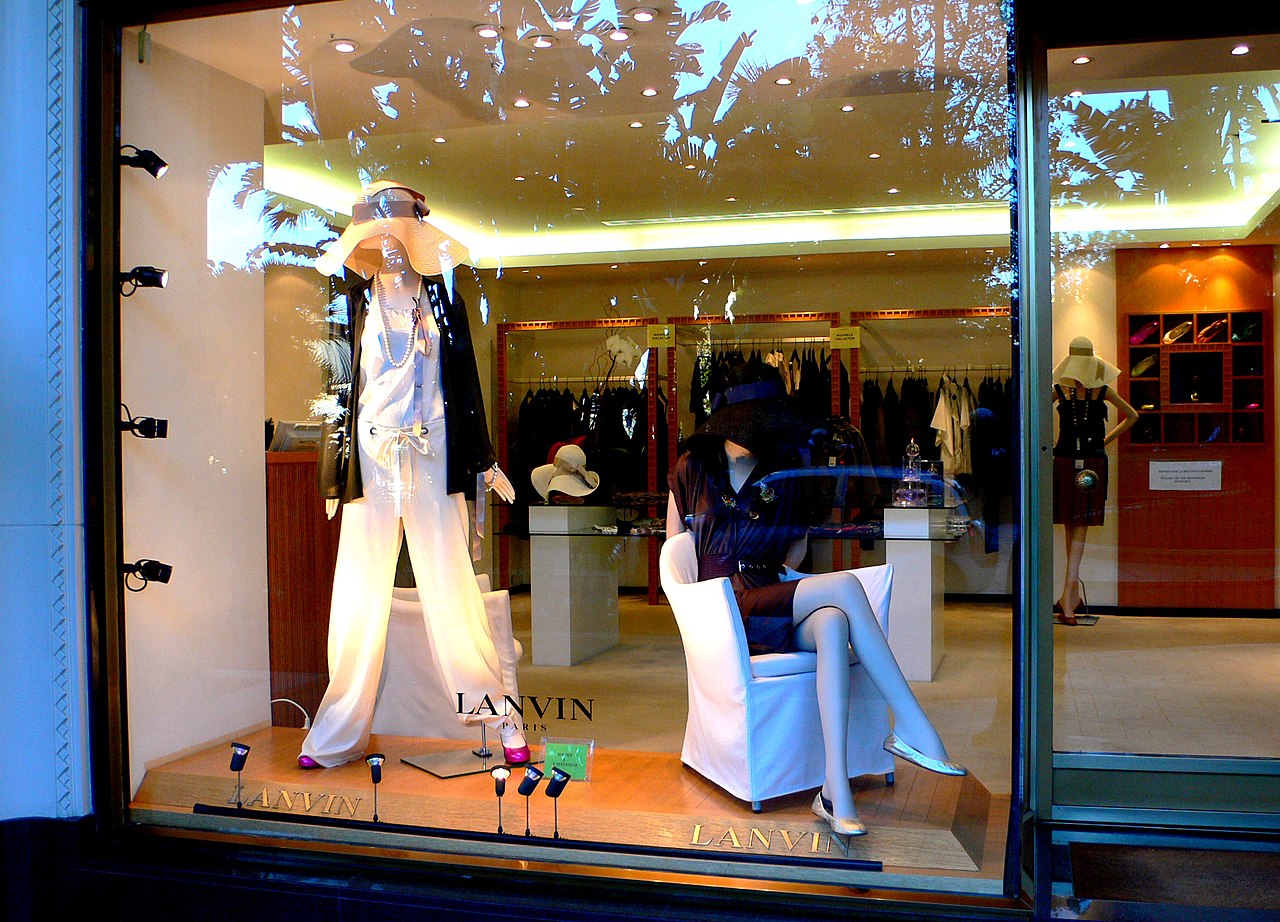
- department stores that combine many product categories under one roof;
- shopping malls that house multiple retailers and shared services;
- markets and bazaars where stalls or small vendors sell directly to shoppers;
- specialty stores, convenience stores, pop-up shops, and service retailers.
Channels and operations
Modern retail uses multiple channels. Traditional in-store sales are complemented by catalog and telephone ordering, and growing e-commerce channels that allow consumers to order online for home delivery or in-store pickup. Retailers purchase finished goods from a manufacturer or from a wholesaler, then present, price and promote items for final sale. Logistics and delivery are central operational elements — many retailers rely on parcel and freight services such as major package carriers to move goods between warehouses, stores and consumers.
History and development
Retailing has evolved from informal exchanges in ancient markets to organized shops and specialized stores in towns and cities. The 19th and 20th centuries saw the rise of department stores and chain retailers, followed by suburban shopping centers in the mid-20th century. The late 20th and early 21st centuries introduced big-box formats and, most recently, digital marketplaces and mobile commerce, which have reshaped consumer expectations around selection, price transparency and delivery speed.
Uses, importance and distinctions
Retail plays a central role in the economy by distributing goods to consumers, supporting jobs across sales, distribution and management, and shaping product design through feedback and demand. It differs from wholesale: a wholesaler typically sells in large quantities to businesses, while a retailer sells smaller quantities to end users. Retail also differs from general distribution in its consumer-facing services such as merchandising, returns handling and after-sales support.
Retail continues to adapt: omnichannel strategies blend physical and digital experiences; data analytics informs inventory and personalization; and sustainability concerns prompt new sourcing and packaging choices. Whether through a neighborhood store, an international chain, a market stall or an online site, retail remains the final link that brings products into consumers' hands.
Questions and answers
Q: What is the definition of retail?
A: Retail is the sale of goods to the public in relatively small quantities for use or consumption rather than for resale.
Q: What is the difference between retail and wholesale?
A: Retail is selling goods or items directly to the people who will use or consume them, while wholesale is selling to a retailer.
Q: Where do retailers buy finished goods or items from?
A: Retailers buy finished goods or items directly from a manufacturer or a wholesaler.
Q: How do consumers purchase retail items without going to a physical shop or store?
A: Consumers can purchase retail items by ordering them by mail, telephone, Internet or other methods, to be delivered by post or package delivery service such as United Parcel Service.
Q: What are some examples of stores where retailing can be done?
A: Retailing can be done at department stores, malls, and markets where stalls or stands are set up at a cleared area.
Q: What is door-to-door selling?
A: Door-to-door selling is when a sales person goes to a possible customer's home and tries to sell an item.
Q: Who would typically buy from a retailer?
A: Final consumers who have a need for such items would typically buy from a retailer.
Related articles
Author
AlegsaOnline.com Retail: The Business of Selling Goods to Final Consumers Leandro Alegsa
URL: https://en.alegsaonline.com/art/82334
Sources
- en.oxforddictionaries.com : "retail | Definition of retail in English by Oxford Dictionaries"