
Ship (large seagoing vessel)
A ship is a large vessel for travel and transport on navigable waters. This article explains what a ship is, its parts, history, main types and uses, and a few notable cultural and legal points.
A ship is a large waterborne vehicle designed to operate on oceans, seas and large rivers. In general usage a ship is considered larger and more capable than a boat, able to carry heavier loads, longer voyages and a larger crew. Ship size, purpose and construction vary widely but most share the same basic role: to move people, cargo or equipment across water.
Image gallery
10 Images


Characteristics and main parts
Ships are built around a hull that gives buoyancy and structural strength. Other common elements include a deck, superstructure, bridge (navigation control), engine room, cargo holds or tanks, and steering gear such as a rudder and propeller. Modern ships may also have complex systems for power generation, communications and safety.
History and development
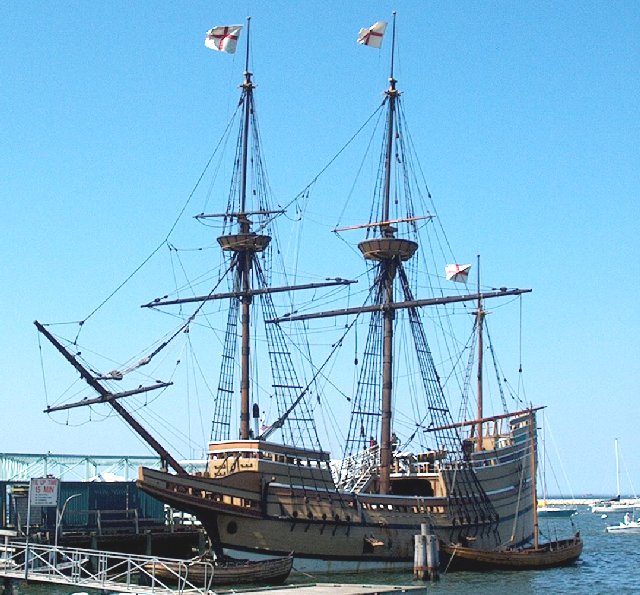
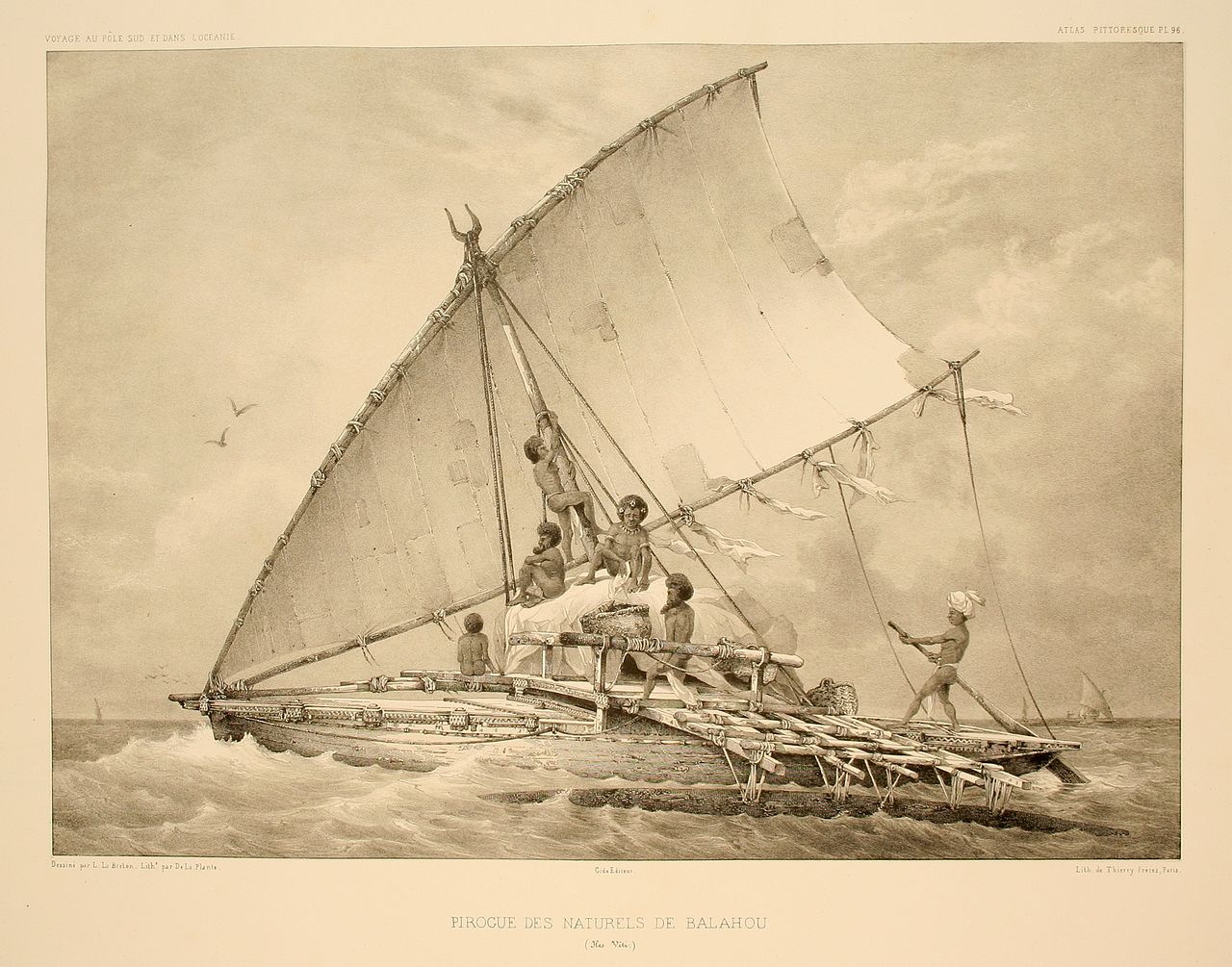
Seafaring craft evolved from simple boats into sailing vessels and later steam- and diesel-powered ships. Advances in materials—from wood to iron and steel—and in propulsion transformed range, speed and carrying capacity. Shipbuilding developed into a major industry with specialized yards and engineering methods; modern ships benefit from industrial design, automation and international standards for safety and pollution control.
Types and common uses
Ships exist in many forms, tailored for particular roles. Main categories include:
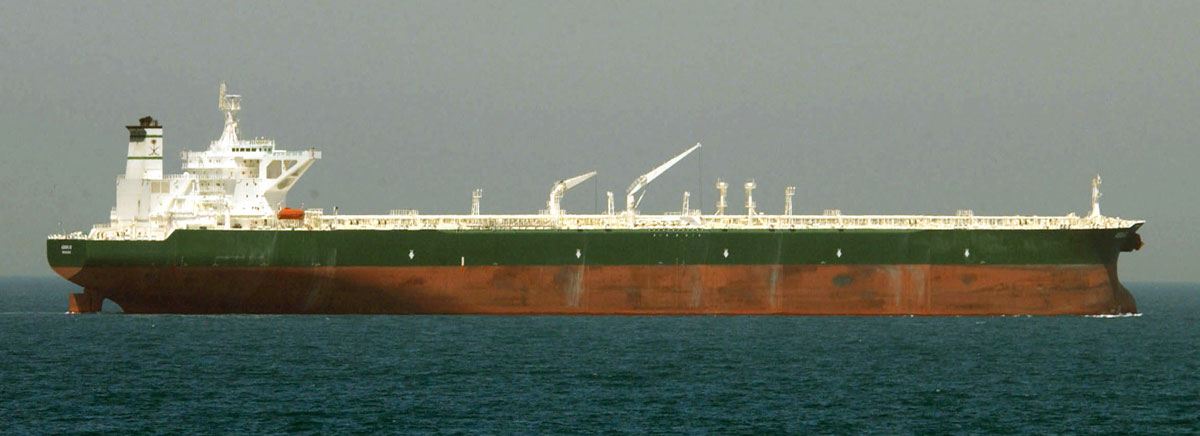
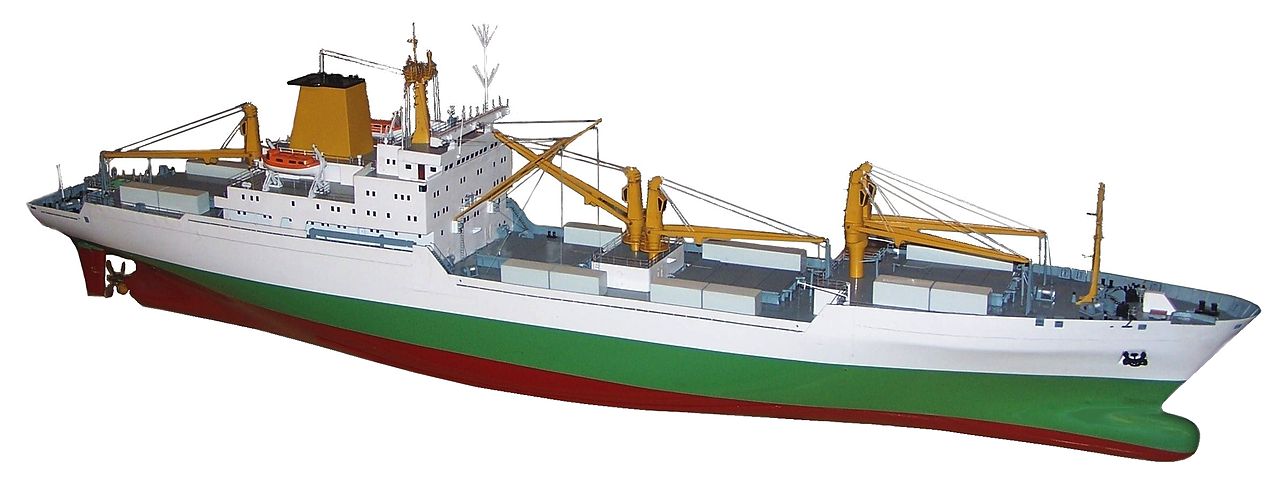
- Cargo ships—container ships, bulk carriers and tankers that move goods and resources; cargo shipping carries a large share of global trade (international trade).
- Passenger ships—ferries and cruise ships for transport and leisure.
- Naval or warships—combat and support vessels used by navies (warships).
- Specialized vessels—fishing boats, research ships, offshore support and salvage craft.
Operation, regulation and economics
Operating a ship requires trained crew, navigation skills and adherence to international and national rules covering safety, seafarers' welfare and environmental protection. Many ships sail under flags of the country where they are registered rather than where the owners are based. Economically, shipping remains a backbone of global commerce because bulk transport by sea is efficient for heavy and large-volume goods.
Cultural and notable facts
In some maritime traditions a ship is referred to with the feminine pronoun "she"; this usage is rooted in long-standing nautical custom. Ships also figure heavily in exploration, commerce, warfare and human migration. For more general definitions and related concepts see vehicle and materials about navigation and seafaring on water.
Although the distinction between a ship and a boat can be loosely based on size and function, legal or technical definitions vary by country and context. When reading about a specific vessel, details such as tonnage, length and classification give the most reliable indication of its capabilities.
Questions and answers
Q: What is a ship?
A: A ship is a large vehicle used for traveling on water, and it is bigger than a boat.
Q: What are most ships used for?
A: Most ships are used as cargo ships, which carry a significant amount of the world's international trade.
Q: Are there different types of ships?
A: Yes, there are various kinds of ships for different purposes, such as warships, passenger ships, and others.
Q: What is the pronoun often used when referring to a ship?
A: The pronoun "she" is often used when referring to a ship.
Q: Can you provide an example of using "she" when talking about a ship?
A: Yes, for instance, "She was launched on 29 December 1878."
Q: How do ships differ from boats?
A: Ships, in comparison to boats, are larger and used primarily for traveling long distances on water.
Q: What is a common type of shipment carried by cargo ships?
A: Most cargo ships carry the world's international trade.
Related articles
Author
AlegsaOnline.com Ship (large seagoing vessel) Leandro Alegsa
URL: https://en.alegsaonline.com/art/89854
Sources
- bbc.co.uk : bbc.co.uk/news/science-environment-30394137