
Marshosaurus — a medium-sized Morrison Formation theropod
Marshosaurus, a medium-sized carnivorous theropod from the Upper Jurassic Morrison Formation of western North America, known from fragmentary remains and important for understanding Morrison paleoecology.
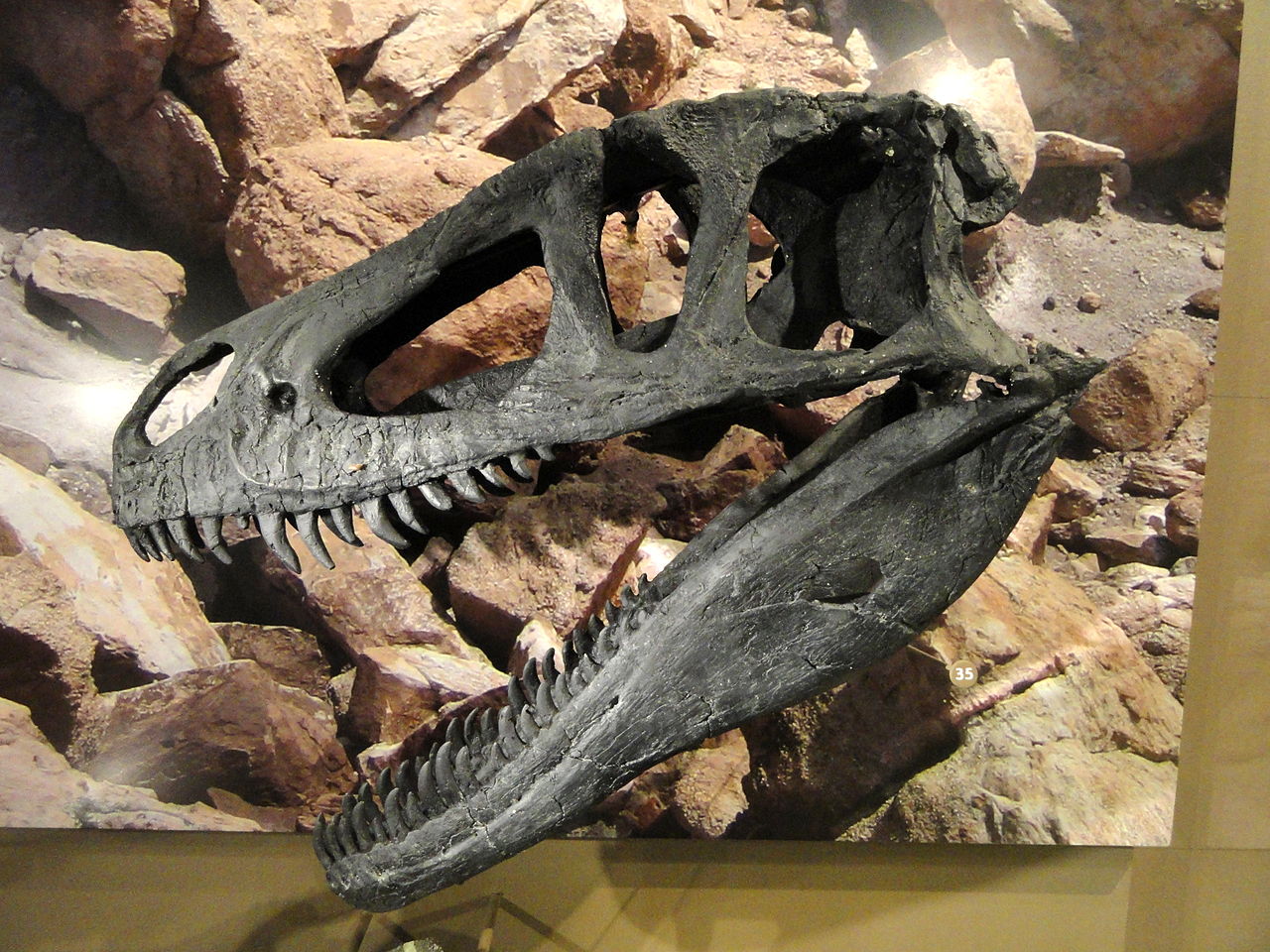
Marshosaurus was a medium-sized carnivorous theropod dinosaur that lived in western North America during the Late Jurassic. Known from the Morrison Formation, its remains indicate an animal roughly the size of a large dog to small car — estimates place it at about 4–5 metres in length and near 200 kg in mass — though exact proportions are uncertain because the fossil record for this genus is incomplete.
Image gallery
10 Images



Characteristics
Marshosaurus is reconstructed from partial skull elements, vertebrae and limb bones. These fragments show typical theropod features: a lightly built bipedal body, sharp, recurved teeth for slicing flesh, and grasping forelimbs. Because the material is limited, scientists rely on comparisons with better-known contemporaries to infer its anatomy and behaviour. Its gracile build suggests it occupied a different ecological niche from larger predators in the same rocks.
Discovery and naming
Fossils attributed to Marshosaurus were found in Upper Jurassic deposits of the Morrison Formation, primarily in what is now Utah (and possibly adjacent states). The genus name honors the 19th‑century paleontologist Othniel Charles Marsh. The type species was described from fragmentary remains in the late 20th century and has since been studied by workers interested in Morrison fauna and theropod diversity.
Paleoenvironment and contemporaries
The Morrison Formation represents floodplains, rivers and lakes deposited during the later Jurassic (roughly 156–147 million years ago). This environment hosted a rich dinosaur community: giant sauropods such as Diplodocus and Apatosaurus, plated stegosaurs, and multiple theropods. Marshosaurus would have shared its habitat with larger predators like Allosaurus and other mid-sized carnivores, likely hunting smaller prey or scavenging and avoiding direct competition with the largest hunters.
Scientific importance and classification
Although fragmentary, Marshosaurus is important because it contributes to the picture of predator diversity in the Morrison ecosystem. Its precise position within Theropoda has been debated; many studies place it among tetanuran theropods, but limited material leaves aspects of its relationships open to revision. New finds or reanalysis of existing specimens could refine its anatomy and phylogenetic placement.
Further notes and resources
Marshosaurus highlights how even fragmentary fossils can reveal ecological complexity in prehistoric communities. For more detailed resources, see curated databases and museum summaries that treat the genus and the broader Morrison Formation. Links below lead to general topics and reference points related to Marshosaurus and its context.
- Marshosaurus genus overview
- Theropod dinosaurs general information
- Dinosaur basics and classification
- Upper Jurassic time interval
- Morrison Formation overview
- Utah paleontology resources
- Colorado fossil sites and reports
- Allosaurus and larger Morrison predators
- Shallow sea deposits and sedimentary environments
- River delta and fluvial systems in the fossil record
- New Mexico Morrison exposures
- Alberta paleontological context
- Saskatchewan fossil-bearing rocks
- Early Rocky Mountains uplift and effects on sedimentation
- Drainage basins and fossil dispersal
- Swamp and wetland paleoecology
- Floodplain and channel deposits
- Comparative formations: Solnhofen Limestone
- Comparative formations: Tendaguru
- The Bone Wars historical context
- Othniel Charles Marsh biography and influence
- Edward Drinker Cope and contemporaries
Related articles
Author
AlegsaOnline.com Marshosaurus — a medium-sized Morrison Formation theropod Leandro Alegsa
URL: https://en.alegsaonline.com/art/62285