
Masiakasaurus: a small predatory dinosaur from Late Cretaceous Madagascar
Masiakasaurus knopfleri was a small, dog-sized theropod from Late Cretaceous Madagascar, notable for its forward-pointing teeth, unusual jaw shape, and role in understanding Gondwanan dinosaur diversity.
Overview
Masiakasaurus was a small, bipedal predatory theropod dinosaur known from Late Cretaceous deposits in what is now Madagascar. It combined a lightly built body, a long tail and neck, and unusually oriented front teeth. Fossils of this taxon helped reveal how island and Gondwanan faunas included distinct, specialized small predators alongside larger dinosaurs.
Image gallery
10 Images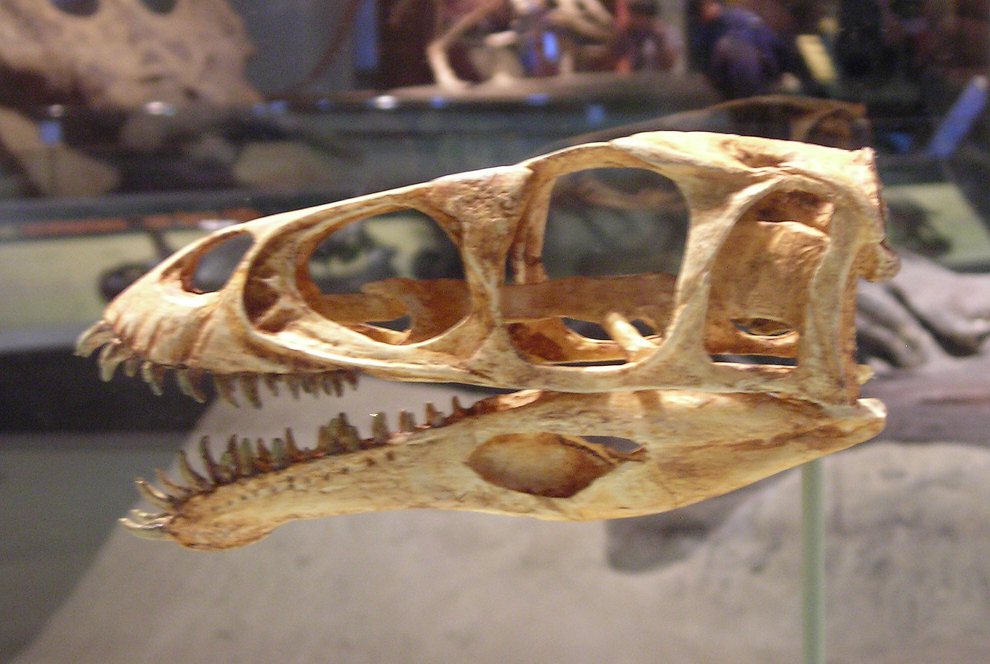


Physical characteristics
Masiakasaurus was relatively small compared with many theropods, often described as roughly the size of a large dog or small deer in general body mass and length. Key features include:
- a slender skull with the front part of the lower jaw bearing procumbent (forward-pointing) teeth;
- reduced but functional forelimbs and grasping hands compared with big tyrannosaur-like carnivores;
- a long, counterbalancing tail and lightly built hindlimbs adapted for bipedal locomotion.
Teeth and diet
The front teeth of Masiakasaurus are its most striking trait: they slanted forward rather than vertically. Paleontologists have proposed several functional explanations for this arrangement, including grasping small, slippery prey such as fish or invertebrates, plucking small vertebrates, or manipulating food items. The tooth pattern implies a diet focused on small animals rather than large kills, showing dietary diversity among small theropods.
Discovery and name
Specimens were recovered from Late Cretaceous formations in Madagascar and were described by researchers in the early 2000s. The genus name derives from a Malagasy word meaning something like “vicious” or “ferocious” plus the Greek for lizard, while the species name honors musician Mark Knopfler, whose music the discoverers listened to during fieldwork. The dedication also references Knopfler’s role as frontman of Dire Straits.
Classification and importance
Masiakasaurus is placed among the noasaurid or abelisauroid group of theropods, a lineage that was especially diverse in southern landmasses of the Cretaceous. Its unusual anatomy contributes to our understanding of how isolated ecosystems produced specialized forms and how feeding ecology varied among small predators. The taxon is often cited in discussions of Gondwanan dinosaur evolution and niche partitioning.
Notable facts and distinctions
Aside from its forward-pointing teeth, Masiakasaurus stands out for illustrating that not all predatory dinosaurs conformed to the large-toothed, bone-crushing archetype. Its discovery emphasized regional endemism in Madagascar and continues to inform comparisons among small theropods worldwide. For further context and images see museum descriptions and trusted paleontology summaries linked below.
Theropod overview • Dinosaur groups • Madagascar geology • Mark Knopfler • Dire Straits
Related articles
Author
AlegsaOnline.com Masiakasaurus: a small predatory dinosaur from Late Cretaceous Madagascar Leandro Alegsa
URL: https://en.alegsaonline.com/art/62634