
Theropod: bipedal saurischian dinosaurs and the evolutionary lineage of birds
Theropods are chiefly bipedal saurischian dinosaurs that gave rise to modern birds. They varied in size and diet, shared features like feathers and hollow bones, and include many well-known fossil genera.
Theropods are a major group of predominantly bipedal saurischian dinosaurs first recognized for their three-toed hind feet and cursorial adaptations. The name often appears as "beast-foot" in older literature. Typically associated with active predatory lifestyles, theropods are central to studies of dinosaur biology and the deep origins of birds; they are a core component of what paleontologists recognize broadly as dinosaurs.
Image gallery
10 Images



Defining traits
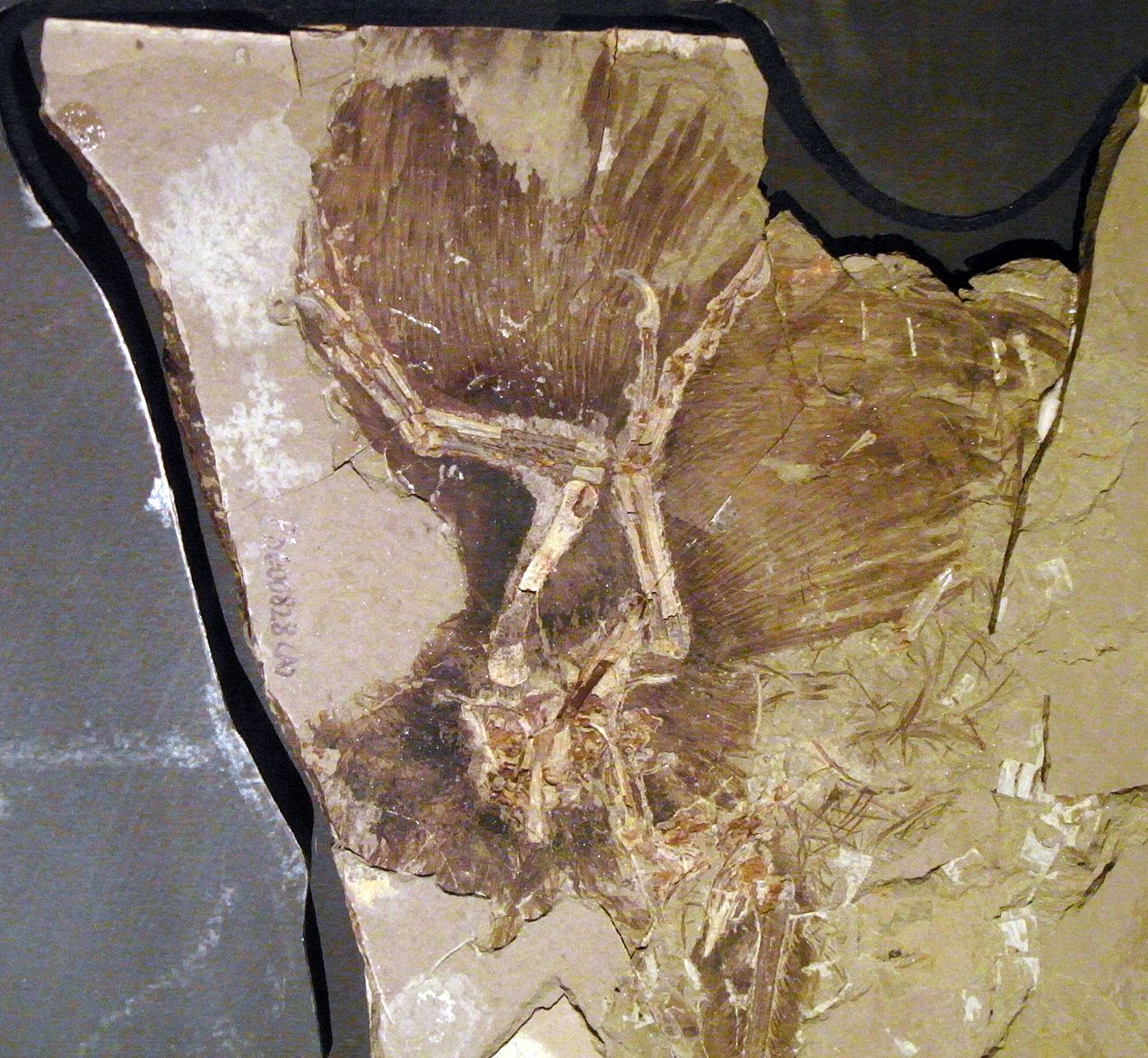
Although morphology varies widely across the group, several features recur in theropod anatomy. Key characteristics include obligate or habitual bipedalism, a three-toed (tridactyl) pes, a forward-facing hip socket and often a lightened skeleton with pneumatic (air-filled) bones. Many theropods possessed a furcula or wishbone, and an increasing number of fossils show integumentary structures interpreted as proto-feathers or true feathered coverings.
Evolution and fossil record
Theropods appear early in the Mesozoic and diversified through the Triassic, Jurassic and Cretaceous. The lineage that led to modern birds is commonly traced to small, lightly built coelurosaurian theropods that lived in the Upper Jurassic and later periods. Fossils document a transition from ground-dwelling, feathered forms to avian bodies capable of flight, making theropods crucial for understanding the dinosaur-to-bird evolutionary sequence.
Dietary diversity and ecology
Although many theropods were primarily carnivorous, the clade shows broad ecological variety. Several lineages independently evolved adaptations for herbivory, while others became omnivorous or specialized for insectivory. This dietary breadth is reflected in differences of skull shape, tooth form, and limb proportions across taxa, allowing theropods to exploit terrestrial, arboreal and even aquatic niches.
Modern legacy and importance
Today, theropods are represented solely by living birds, a diverse group of roughly ten thousand species that inherit anatomical and behavioral traits from their dinosaurian ancestors, such as brooding behavior, feathers, and lightweight bones. The study of theropods illuminates themes in functional anatomy, locomotion, and the origins of flight, and it reshapes how scientists view the continuity between extinct dinosaurs and extant avifauna.
Notable groups and facts
- Well-known large-bodied predators include genera such as Tyrannosaurus and Allosaurus, which exemplify the classic theropod bauplan.
- Smaller coelurosaurs like Velociraptor display adaptations for agility and, in some fossils, feathers.
- Some unusual forms (for example, members of Spinosaurus-like lineages) show semi-aquatic specializations.
Theropods thus represent a highly varied evolutionary experiment in upright, often active archosaurs, linking the great Mesozoic carnivores and omnivores to the birds that dominate many modern ecosystems. For further reading see specialist summaries and databases at saurischian studies and general dinosaur resources at introductory overviews.
Questions and answers
Q: What are theropods?
A: Theropods are a group of bipedal saurischian dinosaurs.
Q: What was the primary diet of theropods?
A: The primary diet of theropods was carnivorous.
Q: Did some theropod groups evolve to eat plants and insects?
A: Yes, some theropod groups evolved herbivory, omnivory, and insectivory.
Q: How many living species are theropods represented by today?
A: Theropods are represented by 10,000 living species of birds today.
Q: From which dinosaur group did birds evolve?
A: Birds evolved from small feathered coelurosaurian theropods during the Upper Jurassic period.
Q: What are some features that link theropods to birds?
A: Features that link theropods to birds are bipedalism, the three-toed foot, a furcula (wishbone), air-filled bones, feathers, and brooding of the eggs.
Q: What is the function of the furcula (wishbone) in both theropods and birds?
A: The furcula, or wishbone, is thought to have played a role in flight biomechanics, providing additional support for the pectoral muscles involved in wing movement, and also protecting the thoracic vertebrae.
Related articles
Author
AlegsaOnline.com Theropod: bipedal saurischian dinosaurs and the evolutionary lineage of birds Leandro Alegsa
URL: https://en.alegsaonline.com/art/99317
Sources
- geol.umd.edu : Winter 2011 Appendix