
Edward Drinker Cope — American paleontologist, anatomist and evolutionary thinker
Edward D. Cope (1840–1897) was a prolific American paleontologist and comparative anatomist known for extensive fossil descriptions, the Bone Wars rivalry, and the concept now called Cope’s rule.
Edward Drinker Cope (July 28, 1840 – April 12, 1897) was a prominent American naturalist whose work spanned paleontology, comparative anatomy, herpetology and ichthyology. Born in Philadelphia to a wealthy Quaker family, Cope pursued scientific study outside formal academic posts: he was primarily an independent scholar and field worker who published extensively on fossil vertebrates of North America. His career combined careful descriptive work on fossils and living animals with broader interpretive efforts about evolution and morphology.
Image gallery
10 Images




Career and scientific activity
Cope produced a very large body of writing—often cited as roughly 1,400 scientific papers—and described many new taxa of extinct and living animals. He participated in geological and mapping expeditions to the American West and spent long periods collecting and examining fossil material. Cope contributed to knowledge of ancient fishes, amphibians, reptiles and early mammals, and he undertook comparative studies of teeth, skulls and limb bones to infer functional and evolutionary patterns.
The Bone Wars and professional disputes
During the late 19th century Cope became entangled in a famous rivalry with fellow paleontologist Othniel Charles Marsh. That antagonism, often called the Bone Wars, led to a rapid race to discover and publish new dinosaur species and other fossils. The competition stimulated fieldwork and many important discoveries but also generated errors, hasty names and strained professional relations. Cope’s personality—energetic, combative and sometimes solitary—shaped both his productivity and the controversies around him.
Financial ups and downs affected his later life. Cope invested in mining and suffered losses that forced him to sell part of his collections in the 1880s, although he continued to work and publish until his death at age 57. He also helped establish and curate museum holdings in Philadelphia for periods of his career, and he trained and influenced a generation of younger naturalists through his publications and specimens.
Contributions and ideas
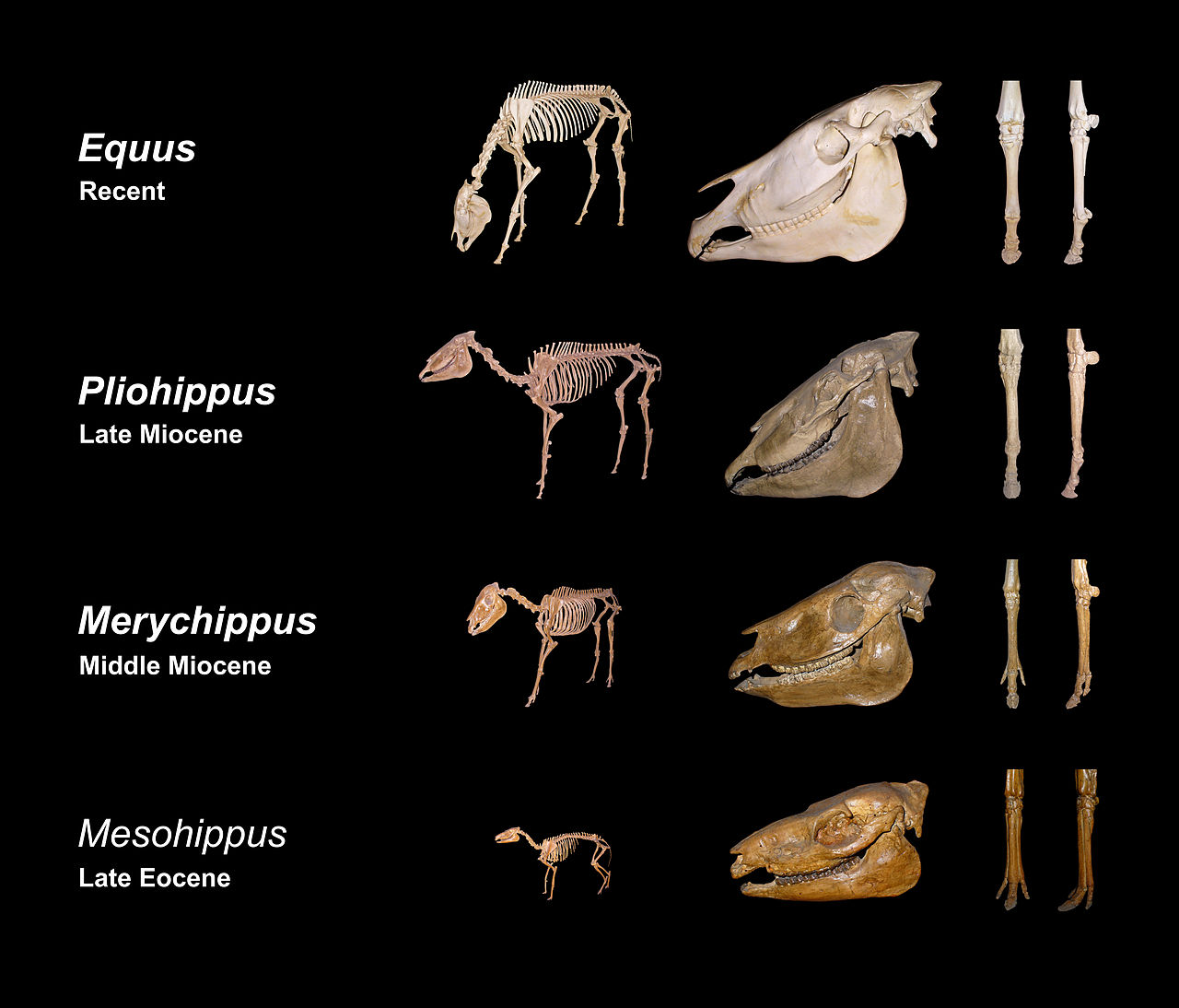
Cope is remembered for the sheer volume of taxa he named—often reported as more than a thousand species of fossil animals—and for broad contributions to vertebrate paleontology and systematics. He studied the evolution of mammalian teeth and limb proportions and articulated trends in body size change through time; the observation that some mammalian lineages appear to increase in body size over geologic time is commonly referred to as Cope’s rule. He also authored major works on the amphibians and reptiles of North America and described many fossil fishes.
Although some of Cope’s taxonomic judgments were later revised, his descriptive legacy and the specimens he collected remain important to historical and modern research. His combination of detailed morphology, field experience and evolutionary interpretation helped professionalize American vertebrate paleontology during a period of rapid discovery.
Legacy and further reading
Cope’s life illustrates the 19th-century mix of passionate field collecting, intense scholarly output and personal rivalry. His name appears in the nomenclature of numerous fossil and living taxa and he remains a central figure in histories of paleontology in North America. For readers seeking organized introductions, archival sources, or summaries of the Bone Wars and Cope’s publications, the following topical links may be helpful:
- Biographical overview
- General works and bibliography
- Fossil collections and specimen lists
- Described animal groups
- North American fieldwork
- Paleontology context
- Comparative anatomy studies
- Herpetological research
- Ichthyology and fossil fishes
- Family background and early life
- Independent scholarship
- Personal life and family
- Museum associations
- Teaching and mentorship
- Survey and mapping work
- Othniel Charles Marsh and rivals
- Dinosaur discoveries
- The Bone Wars
- Financial pressures and sales
- Investments and losses
- Publication record
- Scientific journals and outlets
- Species descriptions
- Ancient fish studies
- Evolutionary interpretations
- Mammalian anatomy
- Dental evolution research
- Amphibian and reptile monographs
- Examples: horses and body-size trends
- Habitat shifts in evolution
- Grassland and woodland transitions
Note: These links are placeholders to guide further reading and archival lookup; consult museum catalogues and published histories for primary sources and specimen records.
Questions and answers
Q: Who was Edward Drinker Cope?
A: Edward Drinker Cope was an American biologist who was notable for his work on fossil animals of North America.
Q: Where and when was he born?
A: He was born in Philadelphia, Pennsylvania on July 28, 1840.
Q: What did his father want him to be?
A: His father wanted him to be a farmer.
Q: What did Cope do in the 1870s and 1880s?
A: In the 1870s and 1880s, Cope went to the American West to report what the land was like to the government. He was often on a mapping team sent by the United States Geological Survey.
Q: What is known as "The Bone Wars"?
A: The Bone Wars refers to a period of competition between Edward Drinker Cope and Othniel Charles Marsh where they were both searching for dinosaurs during the late 19th century.
Q: How many articles did he publish in science journals?
A: He published 1,400 articles in science journals.
Q: What is known as "Cope's Rule"?
A: Cope's Rule states that horse fossils show that mammals got larger over time as they moved from woodland onto grassland, which is based off of observations made by Edward Drinker Cope.
Related articles
Author
AlegsaOnline.com Edward Drinker Cope — American paleontologist, anatomist and evolutionary thinker Leandro Alegsa
URL: https://en.alegsaonline.com/art/30264
Sources
- books.google.com : The Bone Sharp: The Life of Edward Drinker Cope
- books.google.com : The bone hunters
- books.google.com : The Gilded Dinosaur: The Fossil War Between E.D. Cope and O.C. Marsh and the Rise of American Science
- hadrosaurus.com : hadrosaurus.com/1858.shtml · webcitation.org
- dictionary.reference.com : dictionary.reference.com/browse/marlpit
- dictionary.reference.com : dictionary.reference.com/browse/marl
- dictionary.reference.com : dictionary.reference.com/browse/friable
- commons.wikimedia.org : "English: Dryptosaurus (formerly Lealaps) confronting Elasmosaurus, with Mosasaurus and Osteopygis behind. Hadrosaurus forages in background, and Thoracosaurus crawls up on the banks. Note that the head of Elasmosaurus was erroneously placed by Cope on the "short end" now known to be the tail"
- collinsdictionary.com : "meridian"
- geography.about.com : Retrieved December 7, 2010
- geoinfo.nmt.edu : geoinfo.nmt.edu/publications/bulletins/downloads/18/Bulletin018.pdf
- inventors.about.com : inventors.about.com
- dinosaurs.about.com : The 19th Century Bone Wars
- english.illinois.edu : english.illinois.edu