
New Mexico: Geography, History, Culture, and Notable Features
Overview of New Mexico’s geography, history, people, culture, economy and notable facts, with distinctions in landscape, cuisine, and heritage.
Overview
New Mexico is a U.S. state in the southwestern interior of the country. Often called the Land of Enchantment, it blends wide deserts, high plains and forested mountains. It joined the Union as the 47th state on January 6, 1912. The state capital is Santa Fe, and the largest city is Albuquerque. Its population is just over two million people by recent estimates, concentrated in a handful of river valleys and metropolitan areas.
Image gallery
10 Images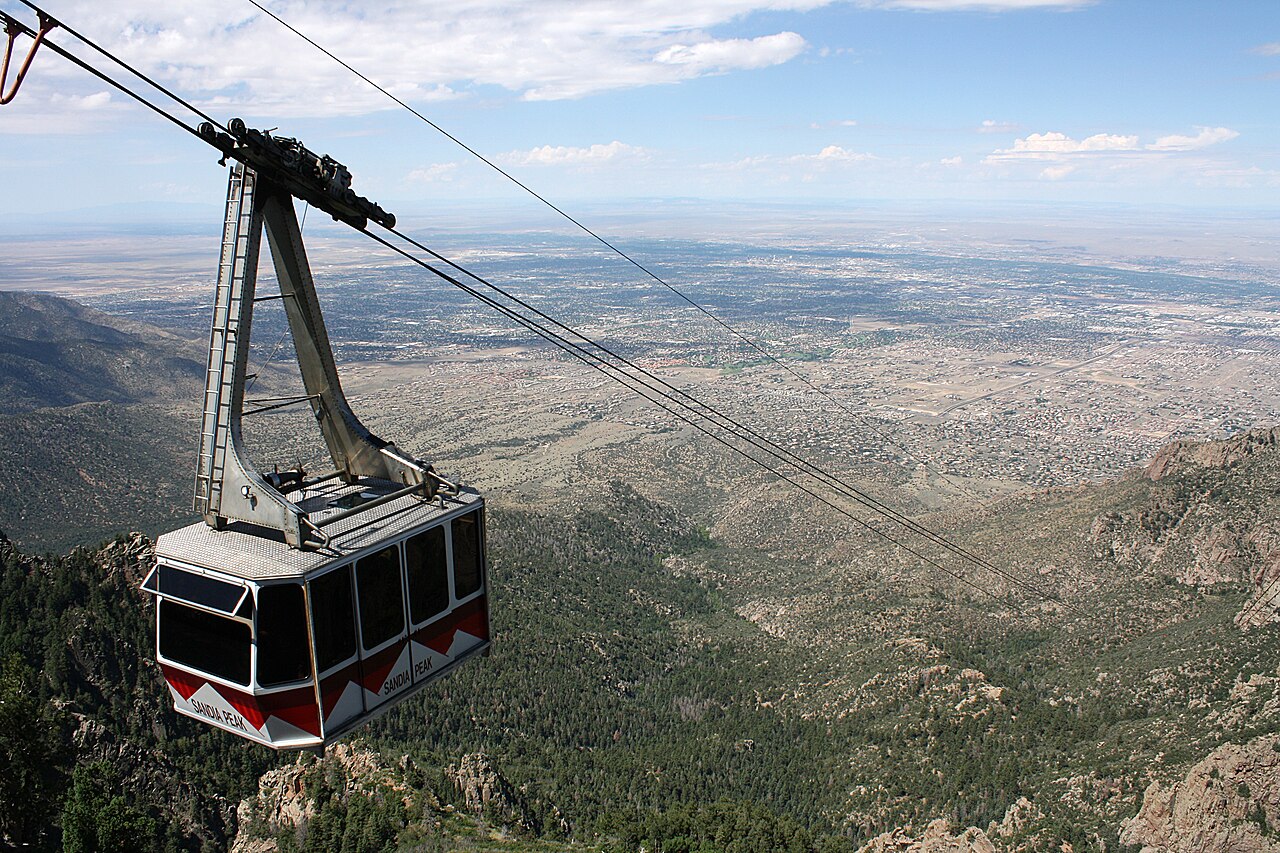


Geography and borders
New Mexico sits squarely in the American Southwest. It has diverse terrain: desert basins, the southern Rocky Mountains, mesas and river valleys. The state’s boundaries meet several neighbors. To the east it borders Texas; to the northeast is Oklahoma; to the north lies Colorado; and to the west is Arizona. In the northwest corner New Mexico touches Utah at the famed Four Corners point where four states meet. These border relationships shape climate, culture and travel routes across the region.
History
The area now called New Mexico has been inhabited for thousands of years by Indigenous peoples, including Pueblo communities known for pottery, irrigation and stone architecture. Spanish explorers and colonists arrived in the 16th century and named the territory Nuevo México, establishing missions and settlements that mixed Iberian and Native traditions. Mexican rule followed and then, after the Mexican–American War and the Treaty of Guadalupe Hidalgo, the region became part of the United States. Statehood in 1912 formalized its political status, while longstanding Hispanic and Native American presences continued to play central cultural roles.
Culture, language and cuisine
New Mexico’s cultural life reflects a three-way heritage: Indigenous, Hispanic and Anglo-American influences. Many communities maintain Indigenous languages and traditions alongside Spanish-language and bilingual practices. The region has distinctive artistic traditions—pottery, weaving, and a strong visual arts scene—particularly around Santa Fe and nearby cultural centers. Culinary identity is notable for New Mexican cuisine, which emphasizes local chile peppers, comal-cooked tortillas, stews and a fusion of Native and Spanish ingredients. Music in the state blends folk, Hispanic, Native and contemporary styles and is sometimes grouped under the term New Mexico music.
Economy, population centers and land use
The economy combines energy production (including oil, gas and renewable resources), agriculture, federal research and defense installations, and a growing tourism and arts sector. Major population centers include Albuquerque, the capital Santa Fe, and smaller cities and towns that serve as hubs for surrounding rural areas. Much of the state remains sparsely populated, with land used for ranching, national forests and public lands important for outdoor recreation and conservation.
Notable features and distinctions
New Mexico hosts a variety of distinctive attractions and records. The state contains high-elevation desert and mountain ecosystems, important archaeological sites, and many tribal pueblos and reservations that maintain living cultural traditions. For recreation and engineering feats it is home to the Sandia Peak Tramway near Albuquerque and community attractions in mountain towns such as Ruidoso. The state’s combination of deep Indigenous roots, long Hispanic settlement history, and its later American territorial development make it a unique region within the United States.
- Texas border and influence
- Colorado high-country connections
- Arizona shared desert landscapes
- Four Corners meeting point: Four Corners (Utah)
Author
AlegsaOnline.com New Mexico: Geography, History, Culture, and Notable Features Leandro Alegsa
URL: https://en.alegsaonline.com/art/127536