
Martial eagle (Polemaetus bellicosus)
A large African bird of prey noted for its size and power. The martial eagle inhabits sub-Saharan open woodlands and savannas, preys on sizable birds and mammals, and faces conservation threats.
Overview
The martial eagle (Polemaetus bellicosus) is one of Africa's most formidable raptors. It is primarily found across sub-Saharan Africa where open woodlands, savannas and mixed landscapes provide hunting grounds and tall trees or cliffs for nesting. Renowned for its size and strength, the species occupies a top position among African avian predators.
Image gallery
10 Images



Physical characteristics
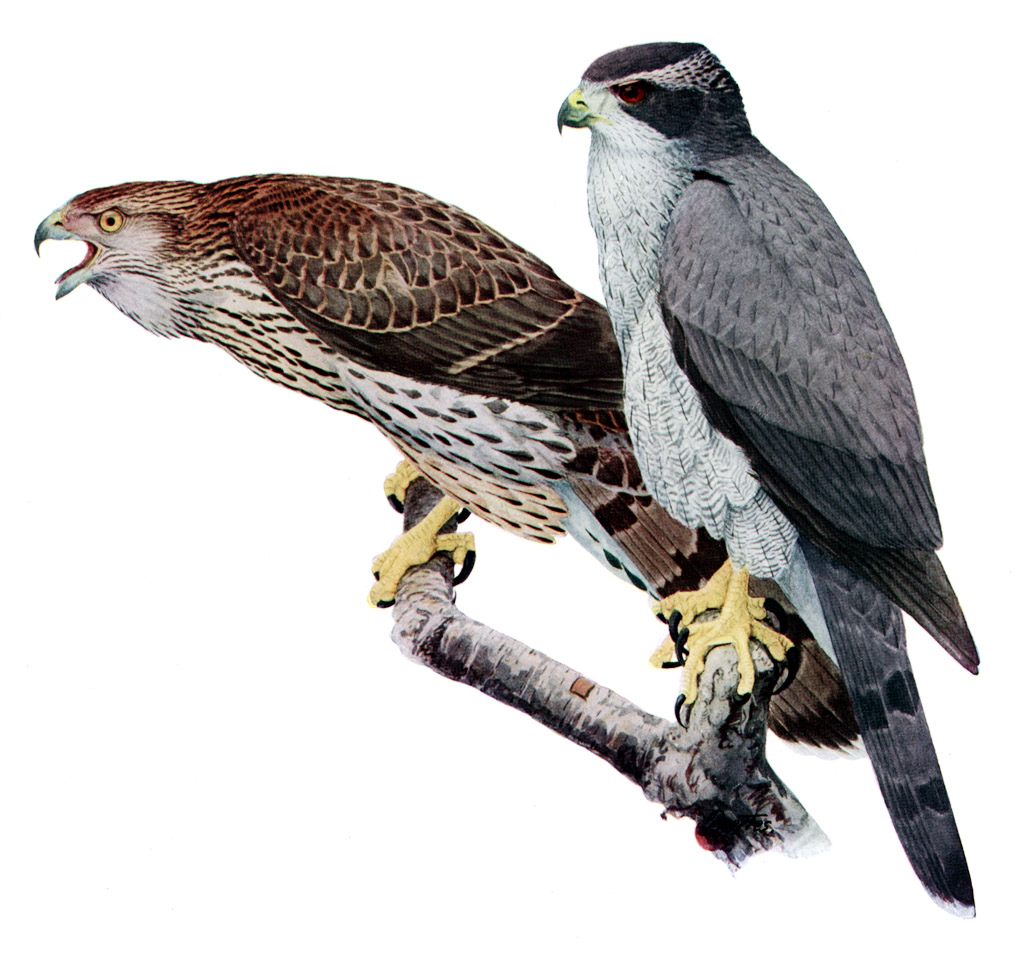
Adults are large and powerfully built, typically ranging from about 76 to 96 cm (30–38 in) in length with a broad wingspan reported between roughly 188 and 260 cm (6.2–8.5 ft). Plumage is generally darker above with paler, patterned underparts; the broad wings and long tail aid soaring and maneuvering in open country. Strong legs and large talons enable it to seize relatively large prey compared with other eagles.
Range and habitat
The martial eagle lives across much of Africa outside dense rainforest and true desert, using a mosaic of habitats where prey is abundant. It is adaptable within these open or lightly wooded environments and is often seen soaring at altitude while searching for food. Conservation assessments and distribution details can be found through regional bird resources and species accounts such as range summaries.
Diet and hunting
This raptor takes a wide variety of animals. Its prey includes medium to large birds and mammals, reptiles and occasionally larger insects. Documented items range up to sizable waterbirds such as flamingos and young ungulates like impala, illustrating the bird's ability to tackle substantial quarry. The martial eagle hunts from high soaring flights and from concealed perches, then strikes with powerful talons to dispatch prey. For examples of prey studies and notable records see specialist references and field observations at avian research pages.
Breeding and behavior
Pairs are territorial and build large stick nests in tall trees or on cliffs. They display strong site fidelity and invest considerable effort in raising young. Courtship includes soaring displays and undulating flight. Nesting biology and reproductive rates vary regionally; detailed life-history information is summarized in field guides and ornithological reports such as those available through bird conservation sources.
Conservation and notable facts
The martial eagle has experienced declines in parts of its range linked to habitat loss, reduced prey availability, persecution and incidental mortality from power infrastructure. It is widely regarded as ecologically important because it helps regulate populations of medium-sized vertebrates. Conservation actions include habitat protection, reducing persecution and mitigating electrocution and collision risks. For conservation status and recommended measures consult authoritative conservation assessments and national wildlife agencies; see also species conservation notes.
- Distinctive: One of Africa's largest eagles by length and wingspan.
- Diet breadth: Able to take both large birds and medium-sized mammals.
- Threats: Habitat loss, persecution and infrastructure impacts.
Related articles
Author
AlegsaOnline.com Martial eagle (Polemaetus bellicosus) Leandro Alegsa
URL: https://en.alegsaonline.com/art/62326