
Maluku Islands (Moluccas) — the Spice Islands of eastern Indonesia
An overview of the Maluku Islands (Moluccas): geography, ecology, spice trade history, peoples, administration and modern significance of this eastern Indonesian archipelago.
The Maluku Islands, commonly called the Moluccas, form an archipelago in Indonesia located within the broader Malay Archipelago. Lying on the northern edge of the Australian Plate, the group sits east of Sulawesi, west of New Guinea, and north of Timor. Historically famed as the "Spice Islands," they were a major source of valuable aromatic plants and drew sustained attention from Asian and European traders for centuries. The name "Moluccas" is often used interchangeably with "Maluku," though usage varies by language and period.
Image gallery
10 Images





Geography and geology
The archipelago includes many islands of varying size, from compact volcanic isles to larger mountainous landmasses. Most islands are rugged and volcanic, some with active cones, giving the region frequent seismic and volcanic activity. The climate is tropical and humid, promoting dense vegetation and creating fertile soils in many coastal plains and volcanic slopes.
Natural environment and economy
The vegetation is typically lush: lowland and montane rainforests, swampy sago groves and cultivated paddies for rice. Local food staples include sago and rice, while plantations and smallholdings grow a range of cash crops. Historically and economically most notable are the aromatic trees and products collectively called spices, especially nutmeg, cloves and mace, which were the primary reasons the islands achieved global prominence.
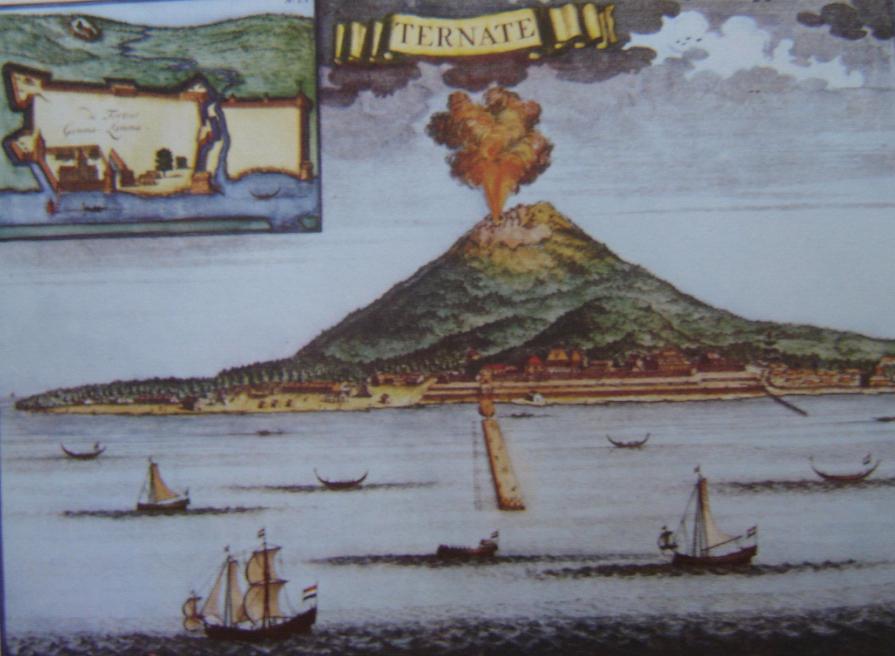
- Key spice-producing areas included the Banda Islands, Ternate and Tidore.
- Modern livelihoods combine agriculture, fishing, small-scale forestry and growing services.
History and the spice trade
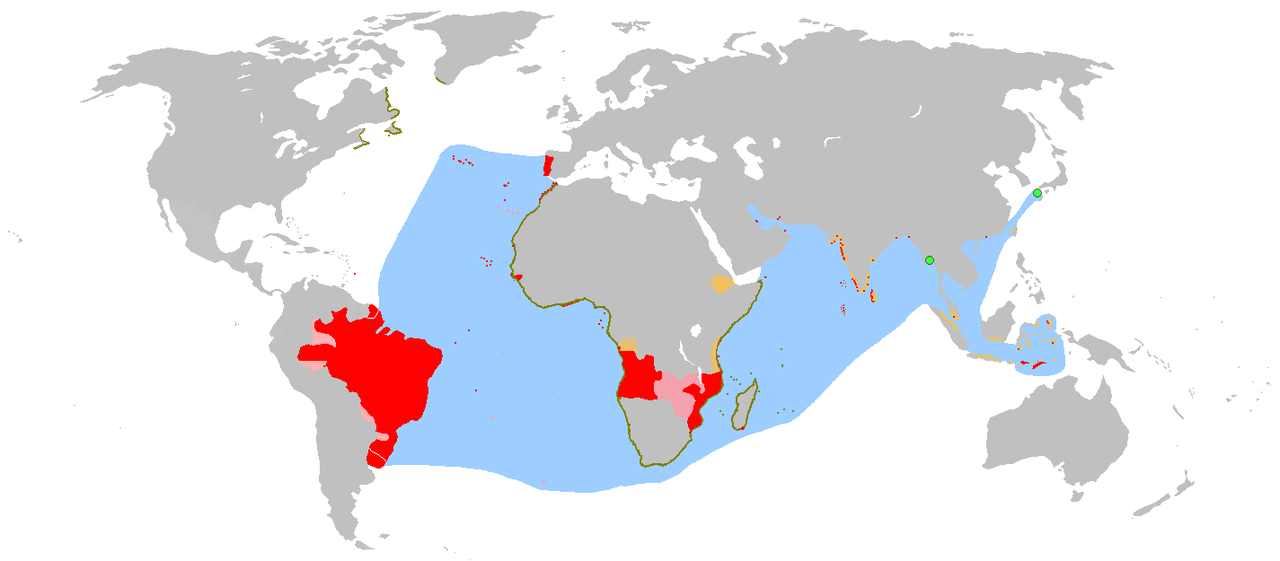
Long before European arrival, merchants from other parts of Asia — including Chinese traders — visited the islands to obtain spices and other goods. Portuguese, Spanish, Dutch and English expeditions reached the Moluccas from the 16th century onward. In particular, the Dutch East India Company established a coercive monopoly in the 17th century that reshaped local societies and the movement of people. The Banda Islands suffered catastrophic population losses during VOC campaigns, and the islands' role in global trade bolstered colonial competition over centuries.
Peoples, languages and culture
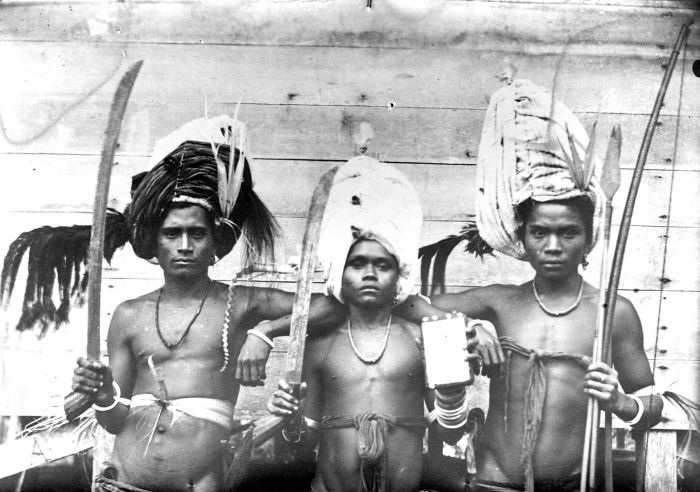
The population reflects layered histories: indigenous Melanesian groups in some areas and Austronesian (Malay-speaking) communities in others, plus later movements encouraged by colonial and national policies. This has produced a mosaic of languages and cultural practices. Missionary work, trade contact and later migration contributed to a mix of religious traditions; both Islam and Christianity have deep roots across the islands.
Administration and recent developments
Administratively the islands were a single Indonesian province from 1950 until administrative reorganization in 1999 created separate units; today the territory is divided between the provinces of Maluku and North Maluku. Between 1999 and 2002, some islands experienced intercommunal violence between Muslims and Christians, a period that disrupted daily life and required reconciliation and rebuilding efforts afterward. Earlier demographic shifts included population movements during the 20th century, when colonial and later Indonesian policies influenced migration patterns, and the earlier arrival of European powers such as the Dutch centuries before.
Notable facts and distinctions
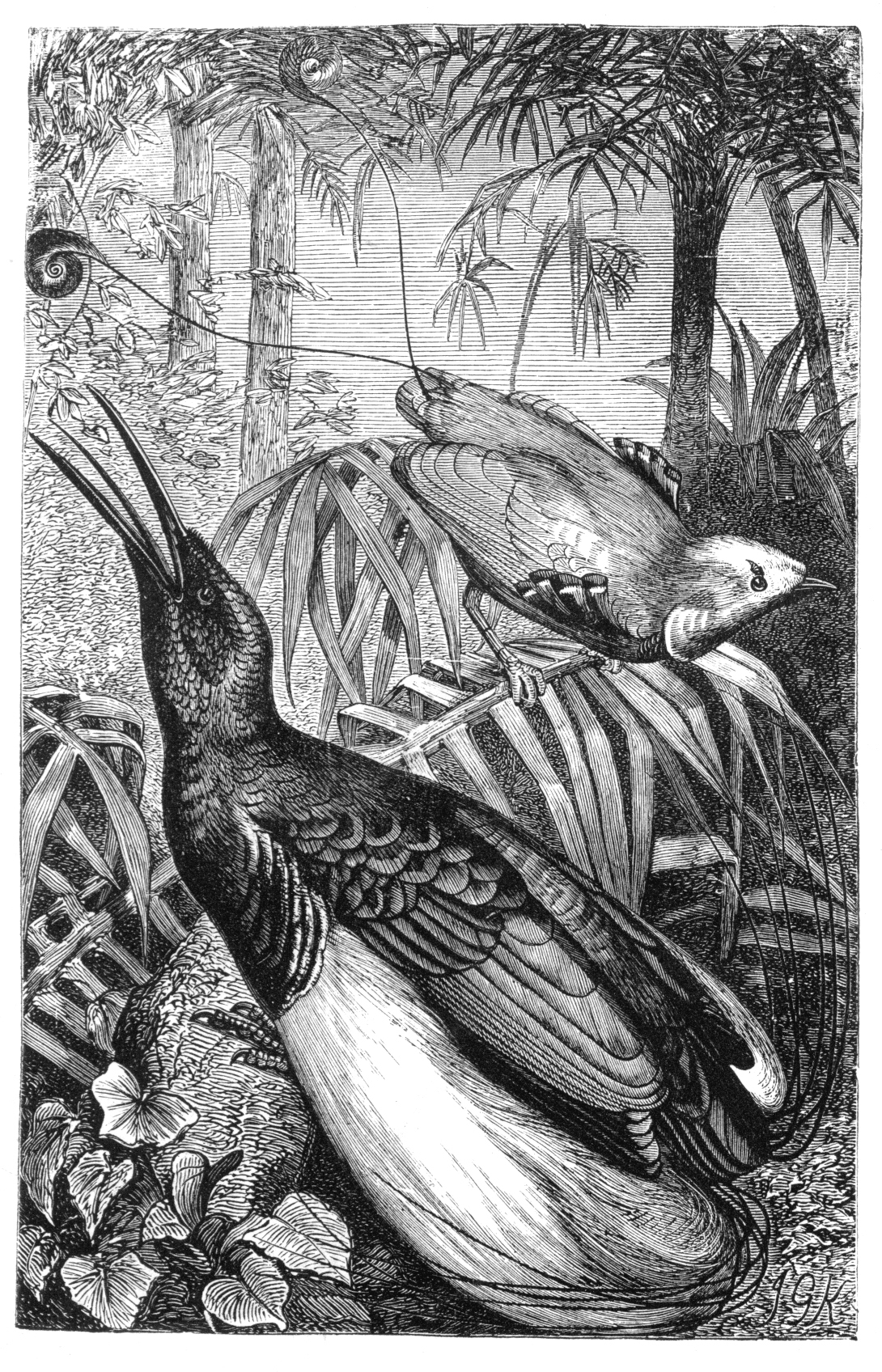
The Moluccas' reputation as the classic "Spice Islands" derives from the unique concentration of high‑value spices that were once rare elsewhere. Other regions have also been called "Spice Islands," but the Maluku Archipelago remains the historically central area associated with nutmeg and cloves. The islands' complex geology, rich biodiversity and layered human history make them significant for studies in biogeography, colonial history and cultural diversity. Contemporary Maluku continues to balance traditional livelihoods with tourism, conservation concerns and local development priorities.
Further reading and regional resources can be found through general reference links and regional archives; for geographic reference see pages on the Sulawesi and New Guinea regions, while cultural and historical entries often refer to contacts with Chinese and European traders. The islands' human and natural stories remain central to understanding the broader maritime world of Southeast Asia.
Additional contextual anchors: the islands themselves are sometimes simply referred to as the islands, and important chronological markers include the 17th century upheavals and later developments in the 20th century. For administrative context see the status of North Maluku and references to how local societies interacted with colonial powers such as the Dutch.
Glossary links in this summary: archipelago, Indonesia, Malay Archipelago, Sulawesi, New Guinea, Timor, islands, Chinese, Europeans, vegetation, rainforests, sago, rice, spices, nutmeg, cloves, mace, Melanesian, 17th century, 20th century, Dutch, North Maluku, Muslims and Christians.
Related articles
Author
AlegsaOnline.com Maluku Islands (Moluccas) — the Spice Islands of eastern Indonesia Leandro Alegsa
URL: https://en.alegsaonline.com/art/61089