
Manchuria (Northeast China): region, history, and identity
Manchuria, commonly called Northeast China or Dongbei, is the historical homeland of the Manchu people spanning Liaoning, Jilin and Heilongjiang; a region shaped by rivers, industry, migration and contested borders.
Overview
Manchuria is a historical and geographic region in the northeastern part of China. In modern Chinese usage it is usually called the Northeast or Dongbei. Traditionally it denotes the three provinces of Liaoning, Jilin and Heilongjiang, now the industrial and agricultural northeast of the People’s Republic of China. The area has long been the homeland of the Manchu people and an important crossroads between China, Korea and Russia.
Image gallery
10 Images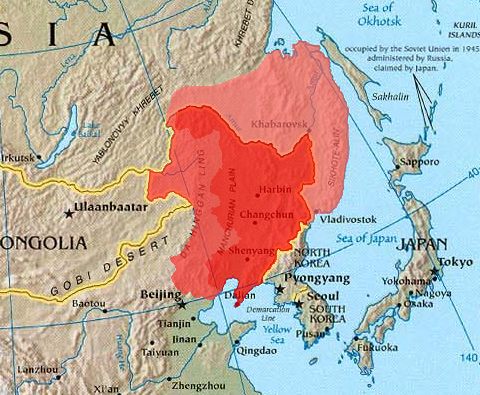




Geography and provinces
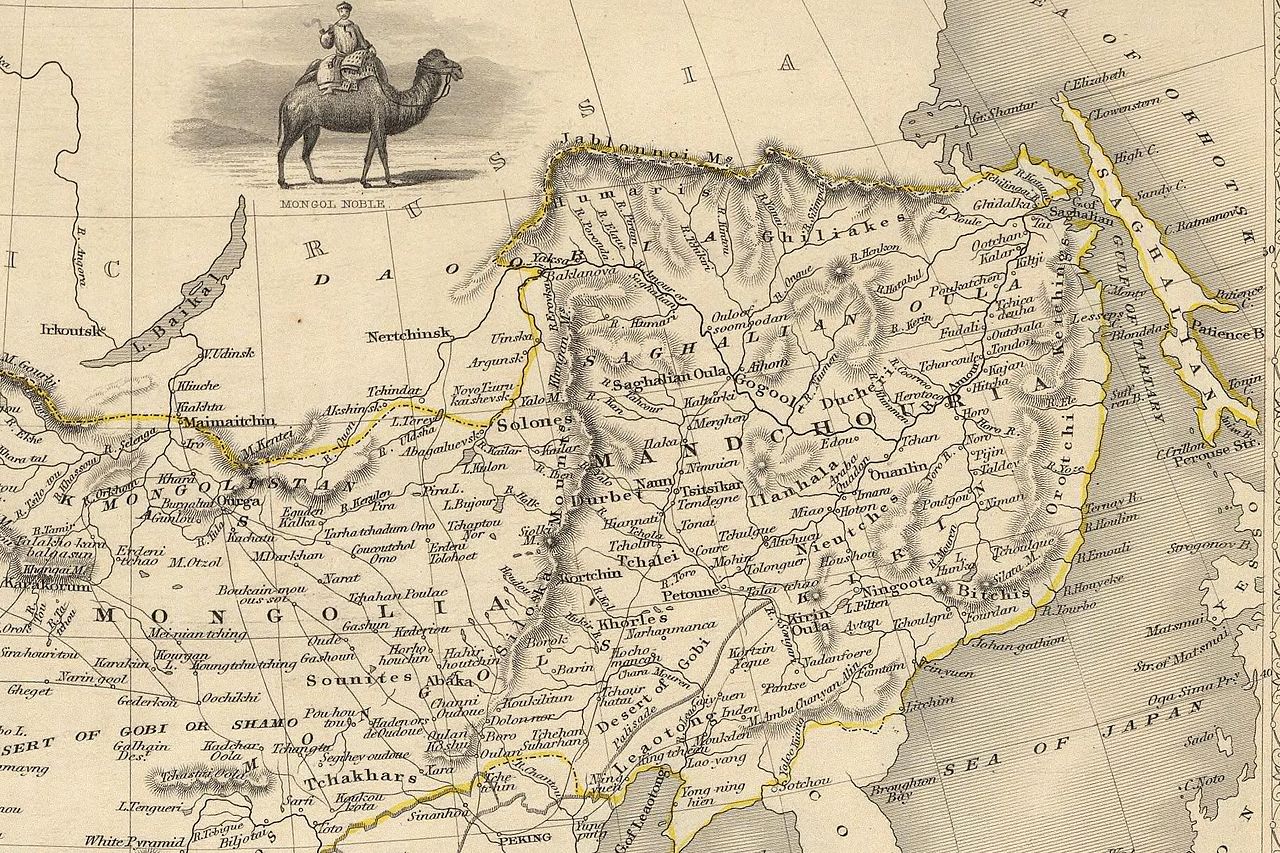
The territory commonly labeled Manchuria includes three provincial units: Liaoning, Jilin and Heilongjiang. It stretches from the Bohai and Yellow Sea coasts in the south to the Amur River basin and Russian border in the north. The landscape combines fertile plains, significant river systems and mountain ranges; major rivers include the Liao, Songhua and the Amur/Heilongjiang. Portions of the historic region extend to borderlands now controlled by neighbouring states.
History and changing borders
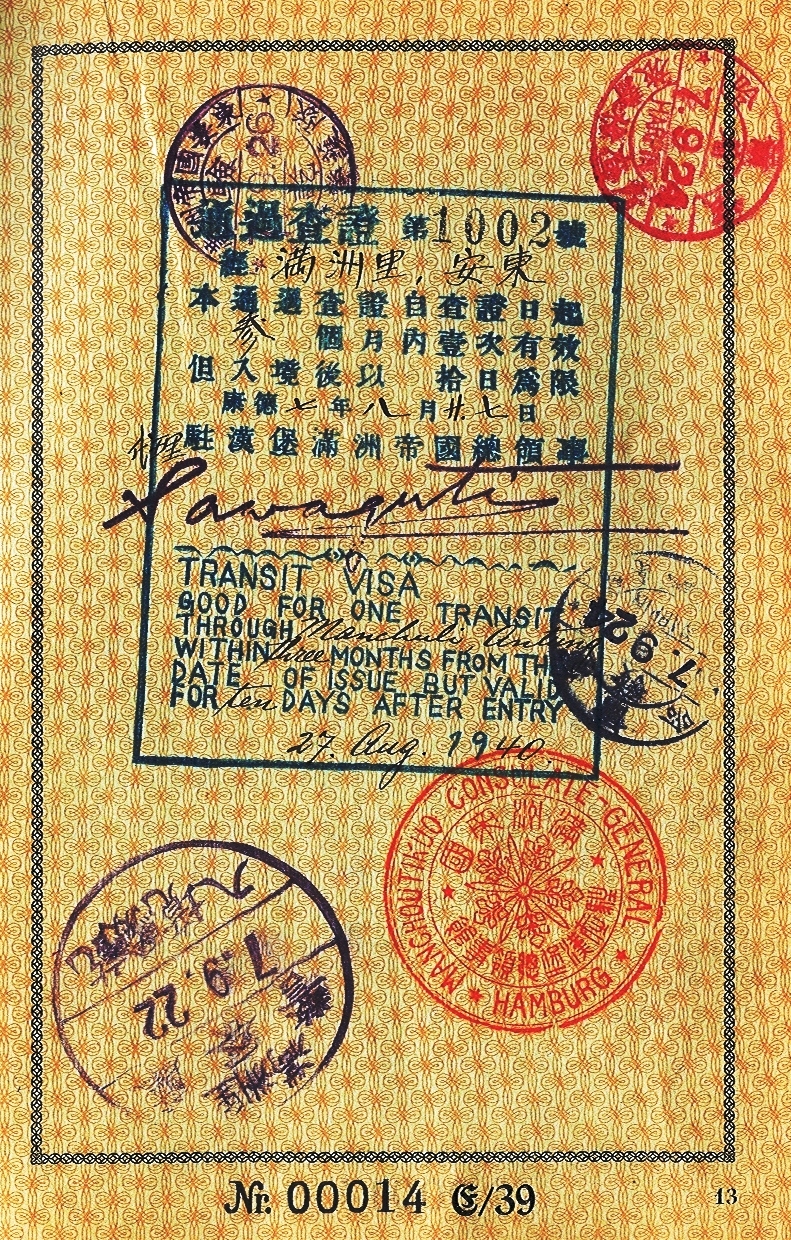
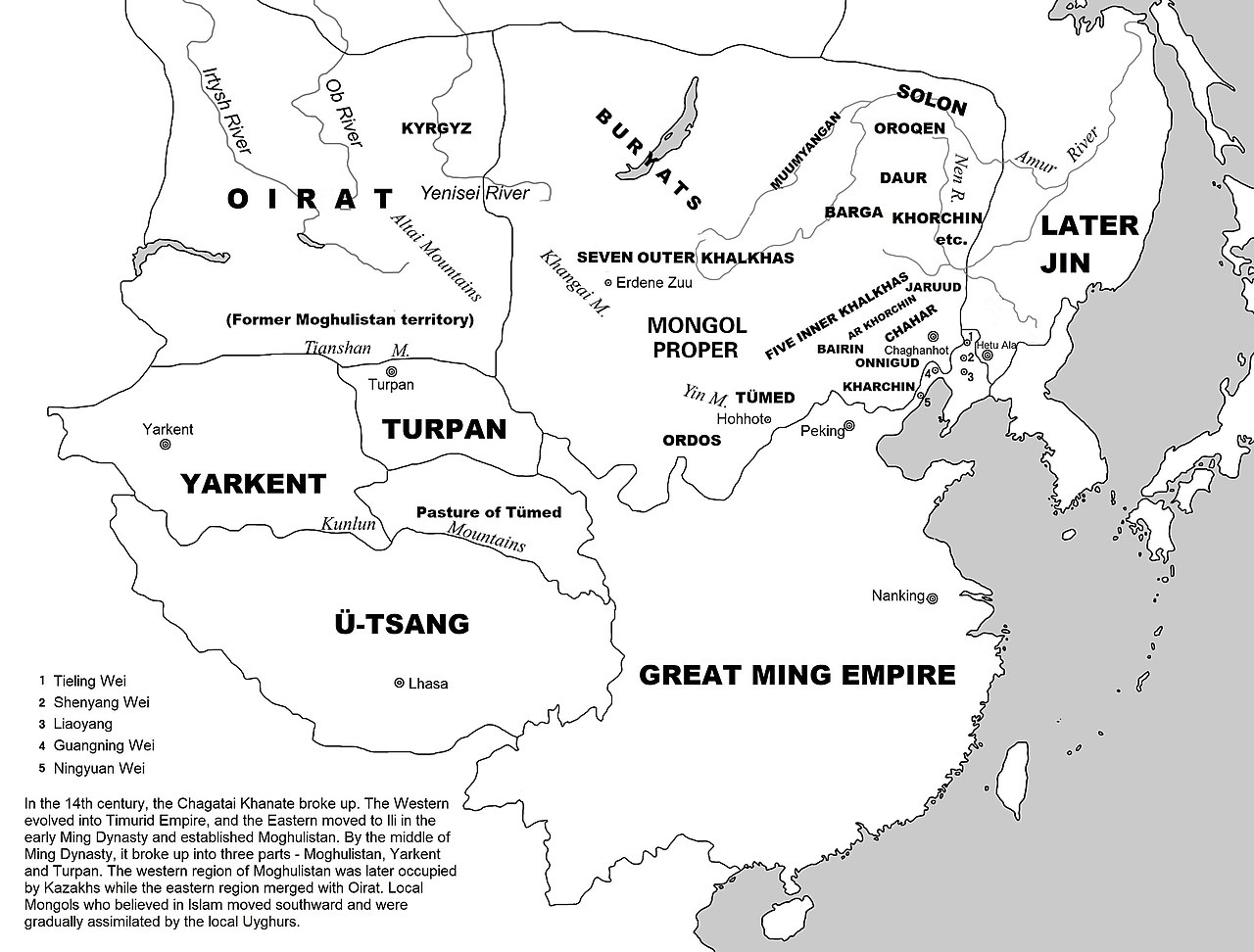
Manchuria’s historical importance increased when Jurchen and later Manchu peoples unified northern tribes and established dynastic rule over China. The Qing dynasty (1644–1912) was founded by Manchus who preserved parts of the region as a homeland. In the 19th century parts of the area north of the Amur were ceded to the Russian Empire through unequal treaties; those territories are now administered by Russia. In the 20th century Manchuria experienced industrialization, Japanese occupation and the puppet state of Manchukuo, followed by integration into modern China after World War II.
Economy, resources and importance
The region has been an industrial heartland for heavy manufacturing, mining and forestry, with extensive coal and iron reserves and important agricultural production (soybeans, corn). Its strategic rail links and ports on the northeastern seaboard have made it a hub for trade and resource extraction; periodic efforts to revive or restructure its state-led industries have been a major element of national economic planning.
Culture, people and identity
Manchuria is ethnically diverse. The Manchu people give the region its name and historical character, though many Manchus became culturally assimilated over centuries and their language has become rare. Large Han Chinese migration into the region over the last two centuries changed its demographic makeup; other minorities include Koreans and Mongols. Local customs, cuisine and dialects reflect this mix and the frontier history.
Names, usage and modern perspectives
The term "Manchuria" was popularized in foreign languages via Japanese and Western usage from local Chinese words such as Manzhou. Today many Chinese prefer the neutral term Dongbei, and some scholars note that "Manchuria" can carry colonial or external connotations because of imperial rivalries and occupations in the 19th and 20th centuries. For further regional details, see provincial pages for Liaoning, Jilin and Heilongjiang, and historical discussions of boundaries altered by the Russian Empire and later developments under Russia or other powers.
Related articles
Author
AlegsaOnline.com Manchuria (Northeast China): region, history, and identity Leandro Alegsa
URL: https://en.alegsaonline.com/art/61221