
Seventeenth century (1601–1700): a period of conflict, discovery, and cultural change
The 17th century (1601–1700) saw wars, state formation, scientific breakthroughs, colonial expansion, and artistic developments that reshaped Europe and connected distant regions worldwide.
Overview
The 17th century is the period that extended from 1601 to 1700. It was a time of intense political conflict, rapid intellectual change and expanding global connections. Scholars often treat these decades as a turning point between medieval and modern institutions; for general surveys see standard references.
Image gallery
10 Images



Political and military change
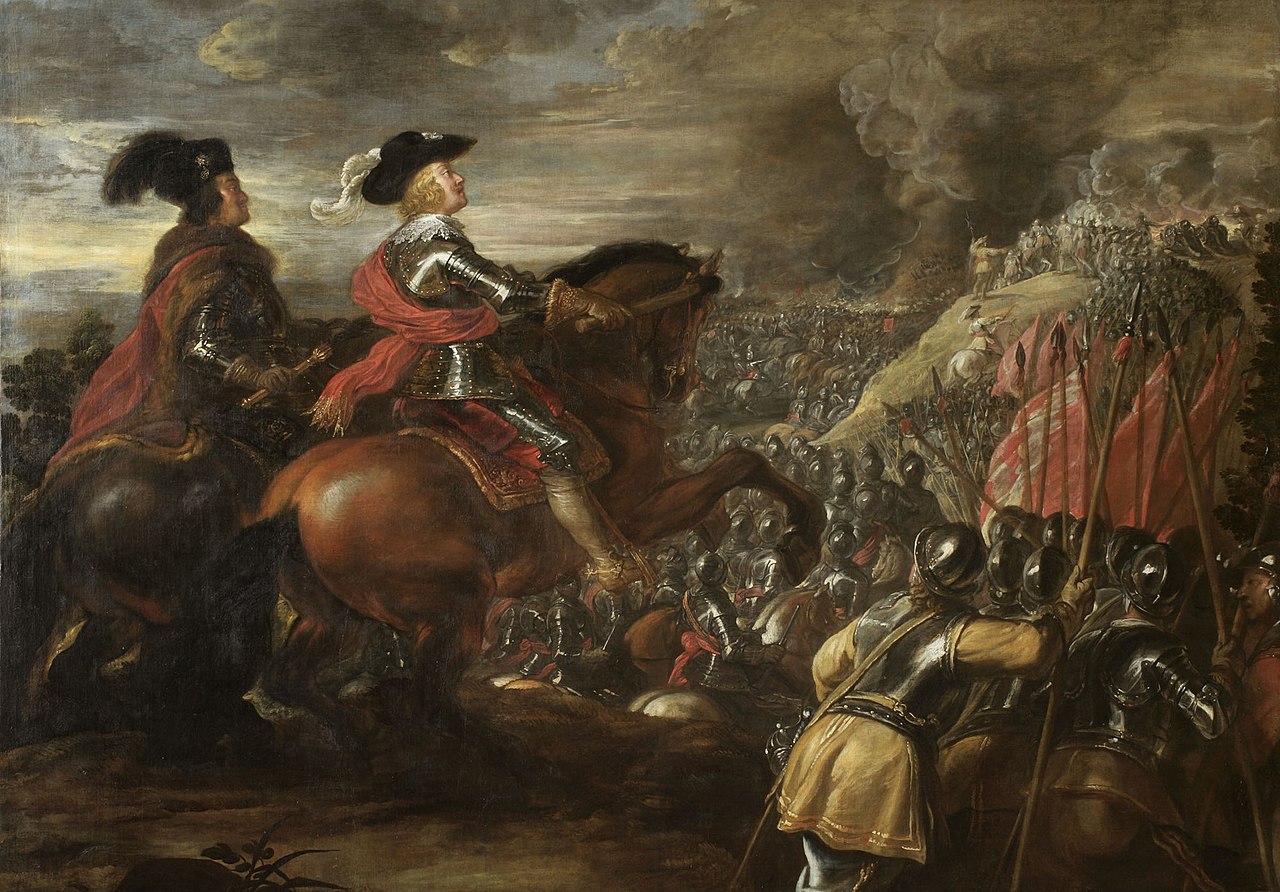
Across Europe the century witnessed prolonged warfare and the consolidation of state power. The Thirty Years' War and multiple civil conflicts transformed political boundaries and religious balances. In some places monarchs strengthened centralized rule and administrative systems; elsewhere representative institutions and revolutions reshaped governance. Competition among emerging maritime powers drove diplomatic rivalry and colonial contests overseas.
Science, philosophy and culture
The period overlapped with the Scientific Revolution and new intellectual methods. Observational astronomy, experimental approaches, and mechanical philosophy challenged older authorities. In literature, music and visual arts, the Baroque style and new dramatic forms became prominent; printing and salons helped circulate ideas more widely than before.
Economy, empire and societies
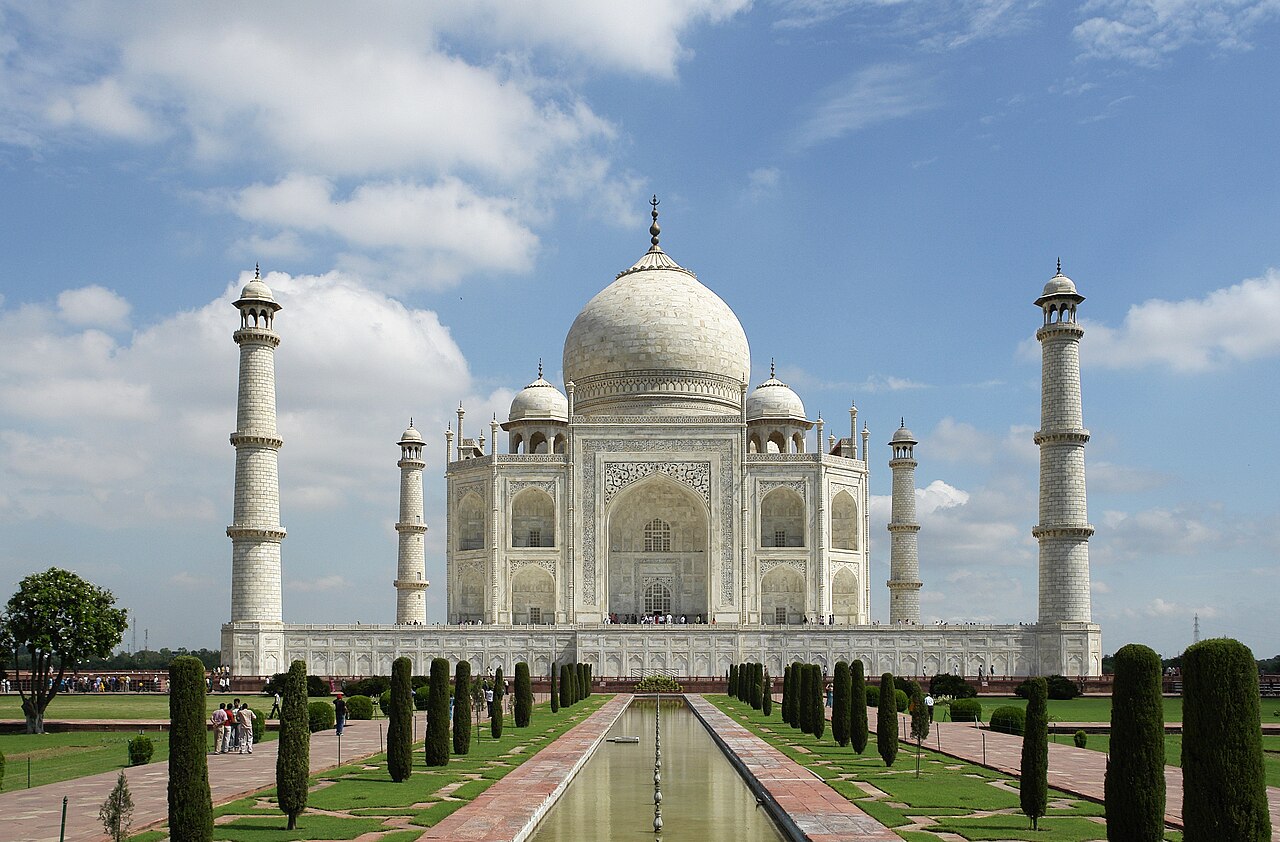
Seventeenth-century economies expanded through intensified trade, the activities of chartered companies and the growth of plantation systems in the Atlantic world. European colonization accelerated contact with Asia, Africa and the Americas, bringing profound demographic and social consequences, including forced migration and cultural exchange.
Major themes at a glance
- Religious conflict and settlement
- Rise of centralized states and bureaucracies
- Scientific innovation and new philosophies
- Global trade networks and colonial expansion
Overall, the 17th century set foundations for many aspects of the modern world: political ideologies, scientific methods, artistic movements and economic systems that continued to evolve in the centuries that followed.
Related articles
Author
AlegsaOnline.com Seventeenth century (1601–1700): a period of conflict, discovery, and cultural change Leandro Alegsa
URL: https://en.alegsaonline.com/art/111744