
Sago: tropical palm starch — production, uses and cultural role
Sago is a starch extracted from the pith of tropical palms. This article explains its source, processing, culinary and nonfood uses, cultural importance, production regions, and key distinctions.
Overview
Sago is a carbohydrate-rich starch obtained from the soft inner pith of certain tropical palms. Commonly derived from Metroxylon species, it functions both as a traditional staple and as an ingredient in modern cooking and industry. Botanically and commercially it is treated as a starchy product rather than a grain; some sources describe it simply as starch extracted from the pith of the trunk.
Image gallery
7 Images




Production and processing
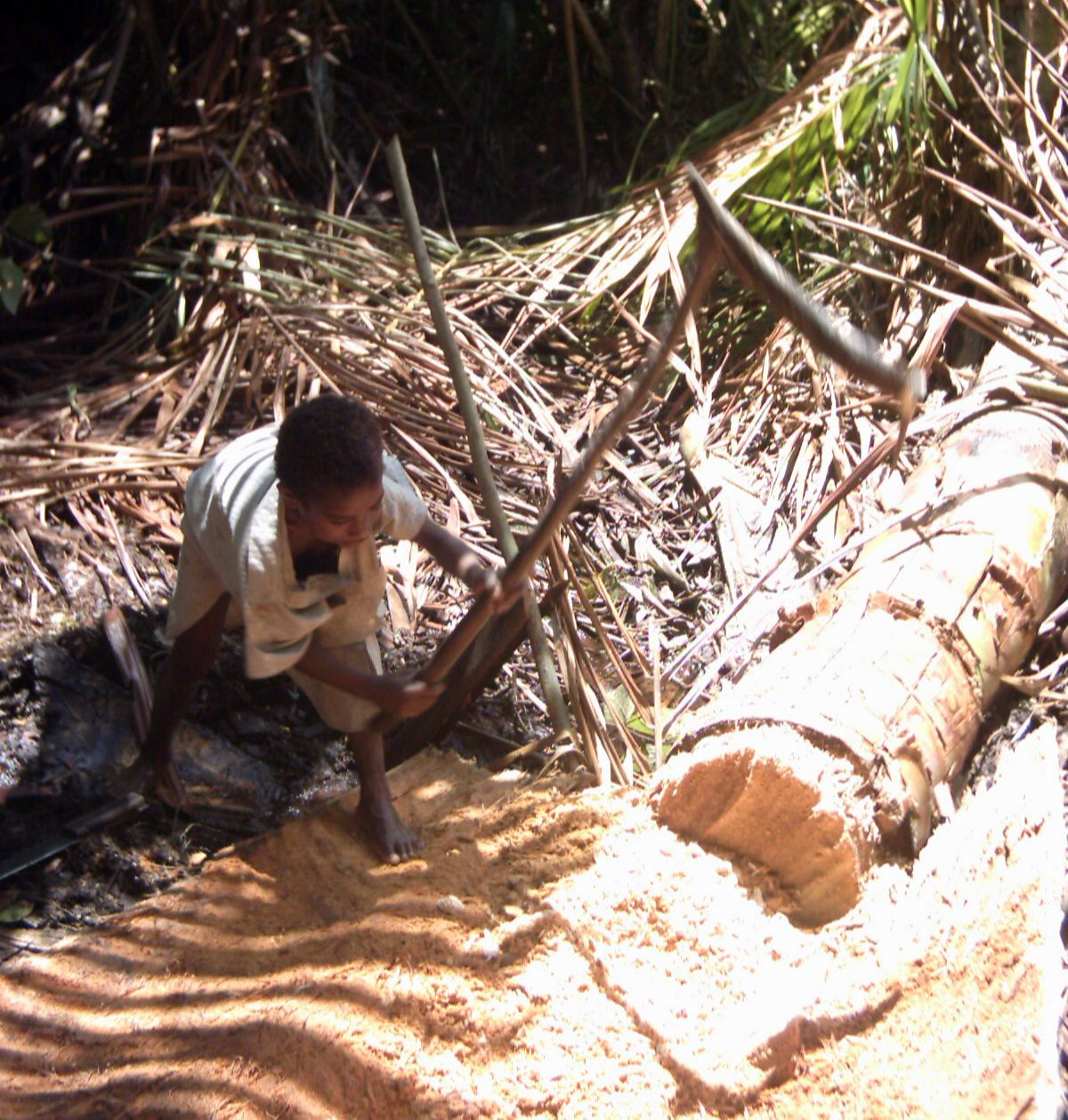
Harvesting involves felling mature palms, splitting the stem and scraping or pounding out the spongy center. The raw pith is washed and agitated to release starch into water; after settling, the starch is dried to produce a pale powder or formed into pearls. The method is labour-intensive and often practised at village scale as well as by commercial processors.
Culinary uses and nutrition
Sago serves as a local staple food in parts of the Pacific and Southeast Asia, where it is prepared as porridge, pancakes, steamed cakes and pudding. It is also used as sago pearls in desserts and beverages. Nutritionally it is primarily carbohydrate, low in protein and fat, and typically combined with other foods to provide a balanced diet.
Historical and cultural context
Regions such as New Guinea and the Moluccas have long traditions of sago cultivation and communal processing, with local names and customs linked to harvest and storage. In many coastal and island societies sago forests are important resources shaped by customary land use and seasonal rhythms.
Trade, regions and environment
Major production and export originate in parts of Indonesia and Southeast Asia, with shipments reaching markets in Europe and North America. Sago cultivation can be sustainable when palms are managed as part of mixed landscapes, but conversion of native stands and unsustainable harvesting pose ecological risks.
Distinctions and notable facts
- Sago differs from cassava and grain flours in origin and processing.
- Traditional processing produces different textures—powder, pearls, or a coarse meal—used in distinct dishes.
- Its cultural value often exceeds its market price, forming part of food security strategies in remote communities.
Related articles
Author
AlegsaOnline.com Sago: tropical palm starch — production, uses and cultural role Leandro Alegsa
URL: https://en.alegsaonline.com/art/85258
Sources
- mycookinghut.com : "Sago Pudding with Palm Sugar (Sago Gula Melaka)"