
Spice: definition, types, history and culinary uses
Spices are aromatic plant-derived substances used to flavor, preserve and scent foods and products. This article explains types, origins, historical trade, culinary roles and notable distinctions.
Spice refers to an aromatic substance derived from plants that is used to flavor, color, preserve or scent food and other products. Unlike herbs, which are typically leafy green parts, spices usually come from seeds, bark, roots, buds or fruits and are commonly used in small quantities for their concentrated aroma and taste. See a basic definition: ingredient, and how spices affect flavor and food.
Image gallery
10 Images

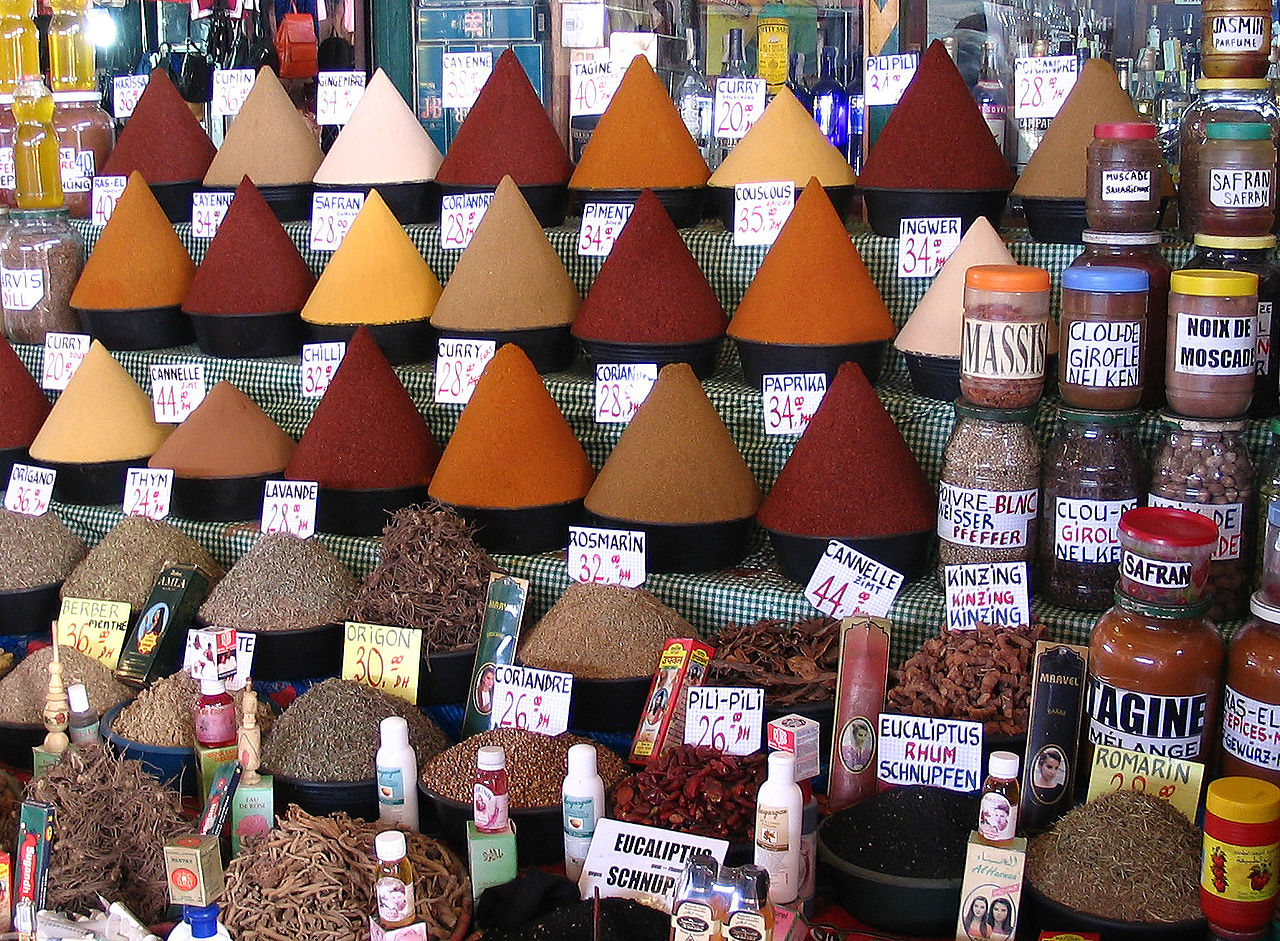





Common types and examples
Spices vary widely in origin and taste. They include bark such as cinnamon, seeds like fenugreek, and nut kernels such as nutmeg. Other familiar spices are black pepper, cloves, cumin, coriander and the bright yellow root turmeric. Regional cuisines often center on particular spice blends: many households in India and Pakistan rely on complex combinations for everyday dishes.
Characteristics and processing
Spices may be sold fresh, dried, whole or ground. Drying concentrates essential oils and flavors; grinding increases surface area and releases aroma but shortens shelf life. Some spices are distilled or extracted to produce essential oils and oleoresins for culinary, medicinal and cosmetic uses. Quality depends on harvest time, postharvest handling and storage in cool, dark conditions.
History and trade
Spices have shaped history: long-distance trade routes such as the Silk Road and maritime spice routes connected producers with distant markets and motivated exploration during the Age of Discovery. Spices were once luxury goods prized for flavor, preservation and perceived medicinal properties; their trade influenced economies, politics and cultural exchange between regions.
Uses and importance
- Culinary: primary use for seasoning, creating regional profiles and spice blends.
- Preservation: some spices have antimicrobial or antioxidant qualities that help delay spoilage.
- Medicinal and aromatic: traditional remedies, teas, perfumes and essential oils.
- Cultural and ritual: spices figure in religious ceremonies, celebrations and symbolic foods.
Historically spices were sometimes used to mask off-flavors in food, but modern food safety discourages concealing spoilage. Today spices are valued for their sensory contribution and for healthful compounds such as curcumin in turmeric. When using spices, store them properly and add whole spices earlier in cooking and delicate ground spices near the end to preserve aroma. For further reading on basic categories, regional uses and processing methods see general references on culinary ingredients: ingredient guide, flavor profiles at flavor resources and recipe collections at food sites. Additional background on specific examples: cinnamon notes, fenugreek uses, nutmeg overview, and turmeric science. Regional cuisine entries: Indian cuisine and Pakistani cuisine.
Related articles
Author
AlegsaOnline.com Spice: definition, types, history and culinary uses Leandro Alegsa
URL: https://en.alegsaonline.com/art/92655