
New Guinea: geography, peoples, and biodiversity of the world's second-largest island
New Guinea is the second-largest island on Earth, north of Australia. It is split between Papua New Guinea and Indonesian provinces and is renowned for extreme linguistic diversity and unique wildlife.
Overview
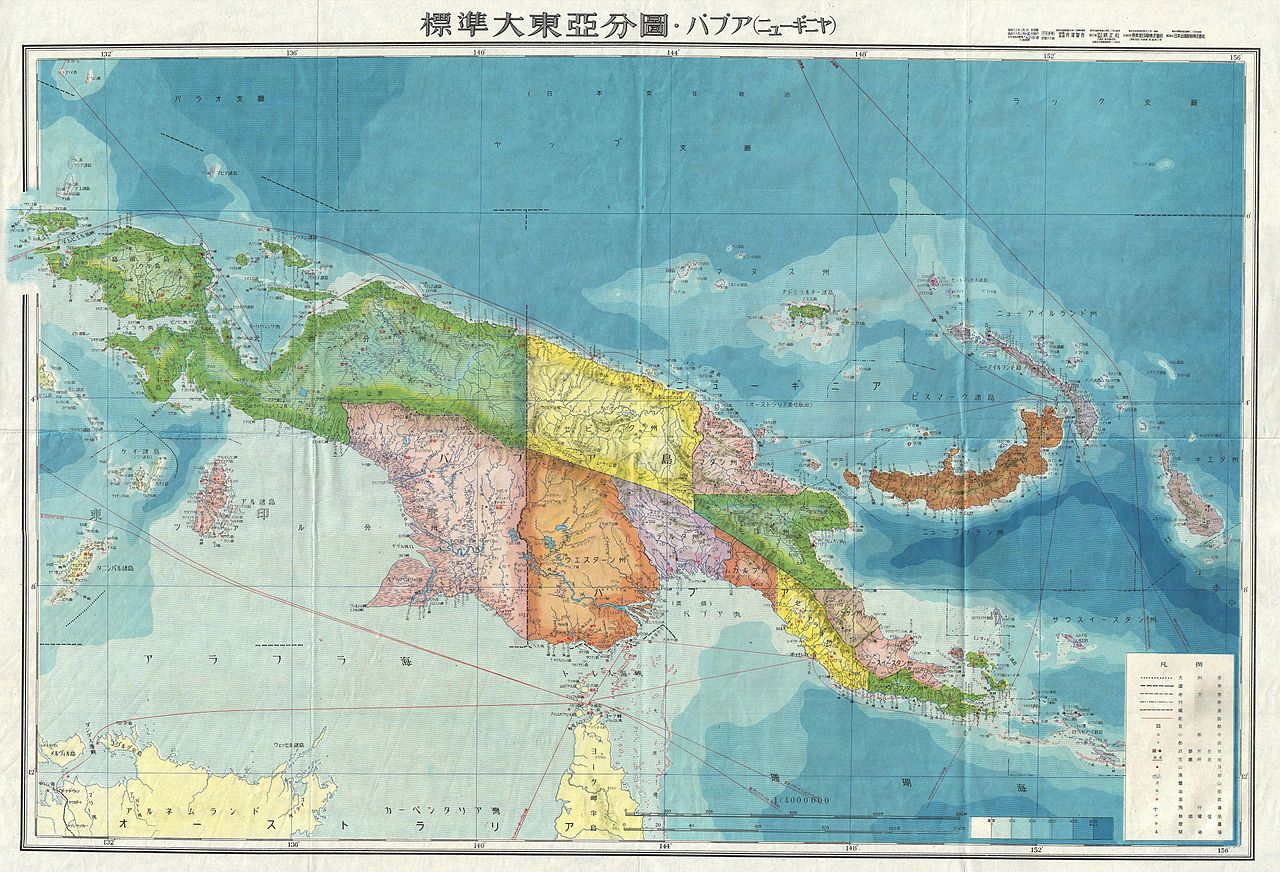
New Guinea lies north of Australia and is the second-largest island in the world. The island stretches from coastal lowlands into a high central mountain spine and supports a wide range of climates and ecosystems. Politically it is divided: the eastern half is the sovereign state of Papua New Guinea, while the western half comprises Indonesian provinces often called Papua and West Papua.
Image gallery
10 Images




Geography and geology
New Guinea's landscape is dominated by a rugged central cordillera that rises to high peaks, including Puncak Jaya, the highest mountain in Oceania. Large rivers flow from the highlands to mangrove-fringed coasts, and the island was once joined to Australia when sea levels were lower. Soils, elevation and rainfall vary greatly, creating distinct ecological zones from mangroves and swamp forests to montane cloud forests.
Biodiversity and endemic life
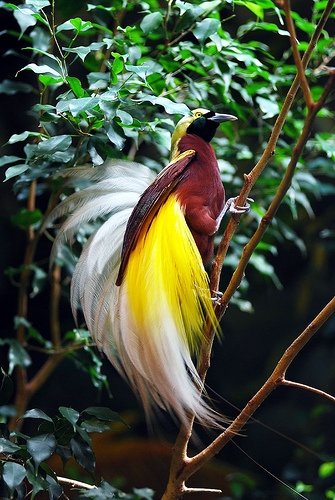
The island is internationally important for its biodiversity. Its rainforests and mountains host an exceptionally high proportion of endemic species. Notable groups include the spectacular birds-of-paradise, marsupials such as tree-kangaroos, and numerous unique reptiles, amphibians and plants. This remarkable wildlife makes New Guinea a focus for biological research and conservation.
Peoples, languages and cultures
Millions of people live across New Guinea in a wide range of societies, from coastal towns to remote highland valleys. The island is one of the most linguistically diverse places on Earth, with hundreds of distinct languages and many cultural traditions. Subsistence agriculture, hunting, and fishing remain central to local livelihoods, alongside growing urban and extractive industries.
History and political development
European contact, colonization and 20th-century geopolitics divided the island between different colonial administrations; the eastern part later became independent as Papua New Guinea, while the western half became integrated into Indonesia. These developments shaped boundaries, governance and ongoing social and environmental debates.
Importance and contemporary issues
New Guinea's forests and ecosystems are globally significant for conservation and carbon storage, but they face pressures from logging, mining and agricultural expansion. Indigenous land rights, environmental protection and sustainable development are major contemporary concerns. Scientific expeditions continue to reveal new species and deepen understanding of tropical ecology.
- Second-largest island: extensive and ecologically varied.
- High biodiversity: many endemic plants and animals.
- Cultural richness: hundreds of languages and diverse traditions.
- Conservation focus: important but threatened natural habitats.
For maps, country information and detailed species accounts, see regional resources and specialist studies that focus on New Guinea's geography, cultures and natural history.
Related articles
Author
AlegsaOnline.com New Guinea: geography, peoples, and biodiversity of the world's second-largest island Leandro Alegsa
URL: https://en.alegsaonline.com/art/69519