
Clove: the dried aromatic flower bud used as a spice and remedy
Clove is the dried aromatic flower bud of Syzygium aromaticum, valued for its warm, pungent flavor, essential oil (eugenol), and historical role in global spice trade and traditional medicine.
Overview

Image gallery
9 Images




Botany and cultivation
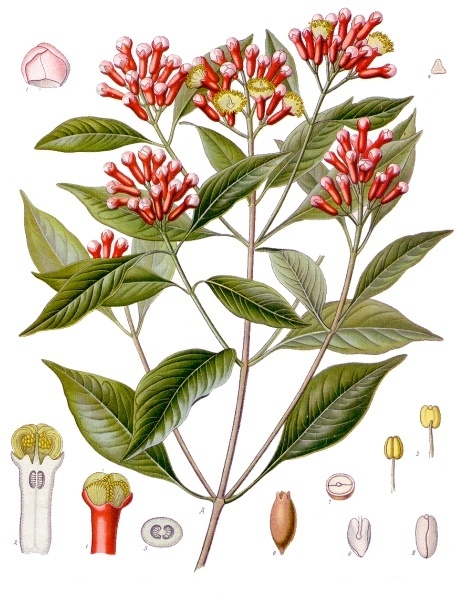
Clove trees are evergreen and typically grow as tall canopy trees in tropical climates; they may reach several meters in height when mature. The aromatic quality of cloves comes from volatile compounds concentrated in the bud, especially eugenol, which gives a characteristic warming sensation. They are cultivated in warm, humid regions and also grown in parts of India, Pakistan and Sri Lanka, where local names and culinary uses vary.
History and trade
Cloves played a significant role in early global spice trades, prized for flavoring, preservation and medicinal properties. European demand in the pre-modern era motivated long-distance trade routes and colonial competition. Today cloves remain widely available and are sold whole or ground, and their essential oil is extracted for industrial uses.
Characteristics and processing
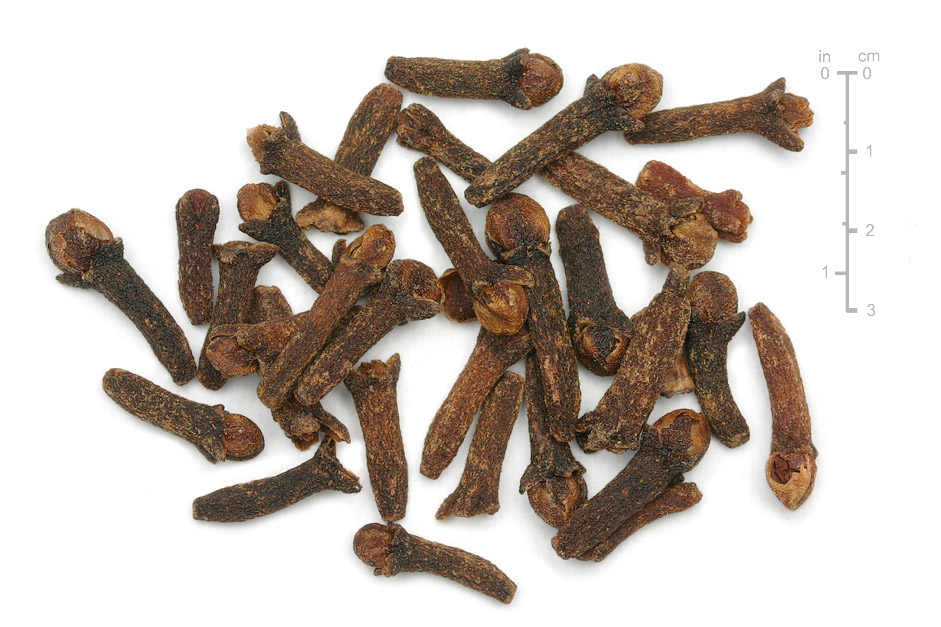
- Appearance: hard, brown, nail-like dried buds.
- Aroma and taste: intense, warm, slightly sweet and bitter, with numbing quality from eugenol.
- Forms: whole buds, ground powder, and concentrated clove oil used in flavoring and aromatherapy.
Uses and significance
In cooking, cloves are used sparingly to season savory stews, marinades, rice dishes and baked goods, and they are common in spice blends. They have traditional roles in folk medicine and dentistry for temporary relief of toothache due to the local anesthetic properties of eugenol. Clove oil appears in commercial dental products and in perfumery, and the spice is used in cultural rituals and preservation techniques in various regions.
Harvesting and distinctions
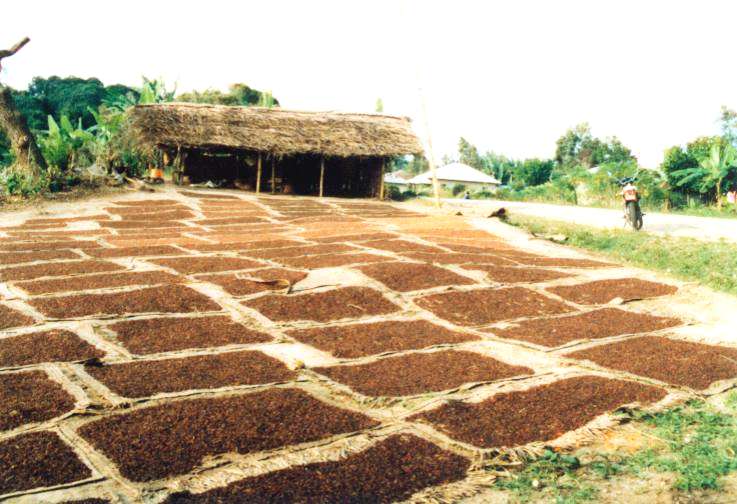
Harvesters collect flower buds before they open, then dry them until they become brown and hard. The quality of cloves is judged by color, oil content and intactness of the bud. Whole cloves retain aroma longer than ground spice. Though sometimes confused with similar aromatic spices, cloves are botanically distinct and recognized for their unique, penetrating flavor profile.
For further botanical details see the dried flower bud entry: dried flower bud, or regional cultivation summaries at: tree height and growth.
Related articles
Author
AlegsaOnline.com Clove: the dried aromatic flower bud used as a spice and remedy Leandro Alegsa
URL: https://en.alegsaonline.com/art/21113