
Mangla Dam (Pakistan)
Mangla Dam is a major earth‑filled dam on the Jhelum River in Azad Jammu and Kashmir, completed in 1967 with World Bank support. It supplies hydroelectric power, irrigation, flood control and formed a large reservoir.
Overview
The Mangla Dam is a large multipurpose dam on the Jhelum River in Azad Jammu and Kashmir, Pakistan. Completed in 1967, it created one of the country’s largest reservoirs and serves as a major source of water storage, hydroelectric generation and flood moderation. The project was financed with international assistance and remains an important piece of national infrastructure.
Image gallery
9 Images


Design and features
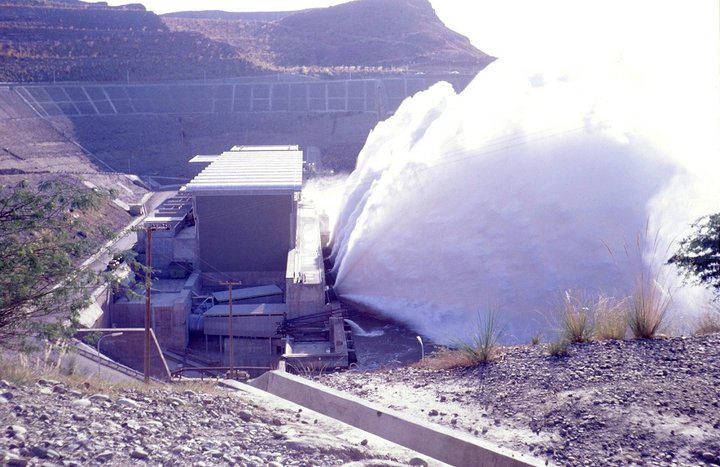
Mangla is an earth‑filled dam, a construction type that uses compacted earth and rock instead of concrete blocks. It is commonly cited as one of the largest dams worldwide and is frequently listed just after Tarbela as the second‑largest earth‑filled dam; various sources describe its scale and reservoir capacity in different ways. The structure includes a spillway and power station to regulate river flow and produce electricity.
History and construction
The dam was built as part of the broader Indus basin development program, a post‑partition effort to manage the rivers of Pakistan. Construction was completed in 1967 with funding and technical support through international loans, including assistance associated with the World Bank. The project required large engineering works and the relocation of communities from areas inundated by the reservoir.
Functions and importance
Mangla supplies hydroelectric power, supports irrigation networks downstream, and helps control seasonal floods. Its reservoir provides a strategic store of freshwater used for agriculture and municipal needs. The dam is often referenced in discussions about Pakistan’s water security and energy infrastructure, and it is managed to balance competing demands for water, power, and flood safety.
Social and environmental effects
The creation of the reservoir displaced communities, especially in the Mirpur area; many affected families were resettled and some members migrated abroad. The dam also altered local ecosystems and river dynamics, prompting mitigation and monitoring efforts. Over time, projects have aimed to upgrade the facility and manage sedimentation and environmental impacts.
Notable facts and references
- The dam is often described among the world’s largest by structural volume and reservoir area; comparisons commonly mention Tarbela Dam as a nearby, larger earth‑filled structure.
- Completion year and financing details are noted in historical accounts of the Indus basin work; see sources tied to the dam’s location and project history: rankings and lists, engineering summaries.
- Construction date is widely cited as 1967 in descriptive summaries and official histories; further technical and operational information is available through regional authorities and reports: construction records, finance documents.
For additional technical, historical, and operational details consult authoritative sources and institutional reports on the Indus basin projects and the management of Pakistan’s major dams. Location resources and project archives provide further context and updated data.
Related articles
Author
AlegsaOnline.com Mangla Dam (Pakistan) Leandro Alegsa
URL: https://en.alegsaonline.com/art/61302