
Rice: staple cereal, cultivation, varieties, uses and global significance
Comprehensive overview of rice (Oryza species): botany, major types, cultivation systems, processing, nutrition, culinary uses, history, environmental impacts, economic role and future challenges.
Overview
Rice refers to the edible grains produced by plants of the genus Oryza, principally Oryza sativa, and is a dietary staple for a large portion of the world’s population. Adapted to warm climates, rice is grown in a broad range of environments from flooded paddy fields to rainfed uplands and irrigated terraces. It supplies substantial dietary energy in many countries and supports the livelihoods of millions of smallholder farmers as well as large commercial producers.
Image gallery
10 Images




Botany and varieties
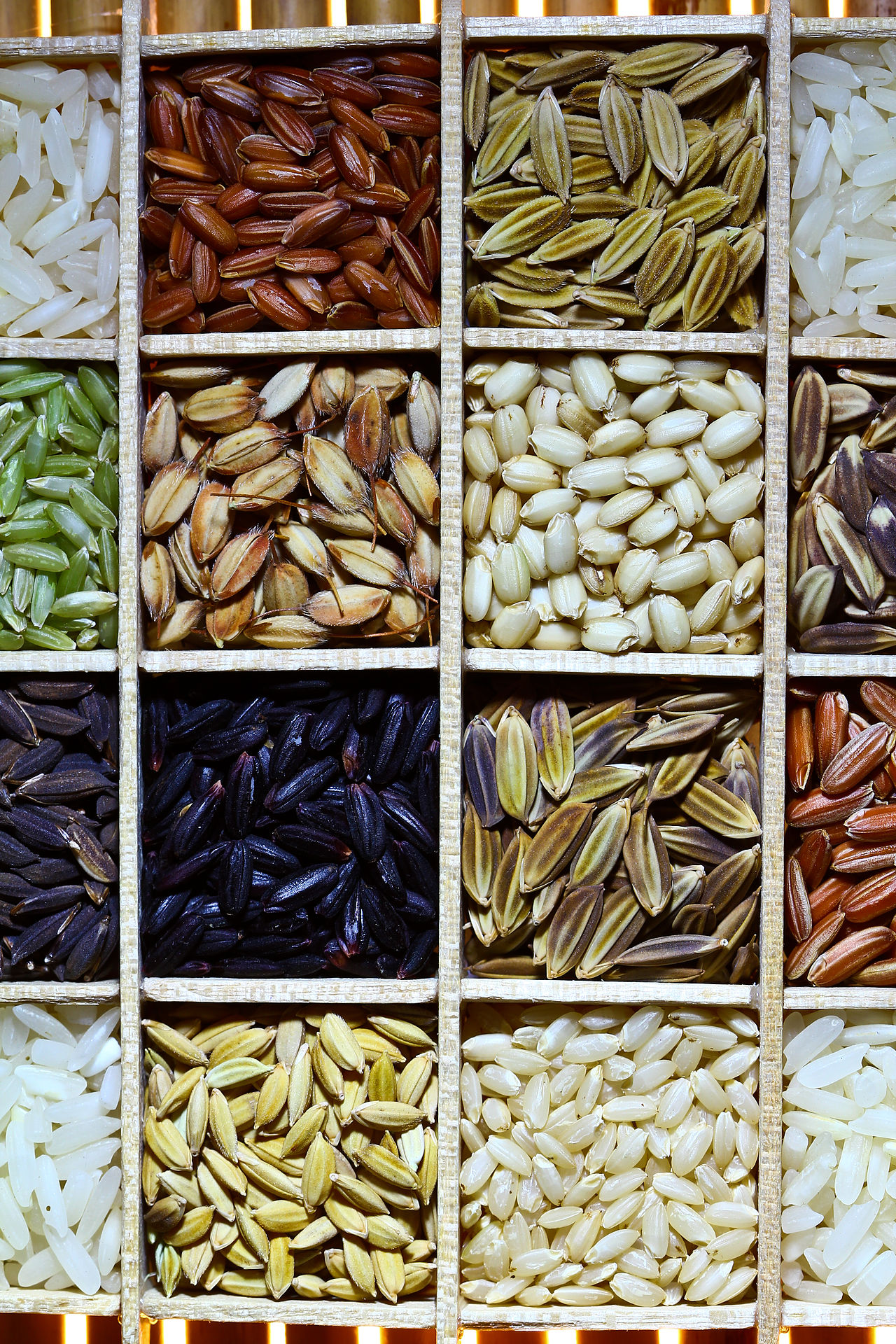
Rice plants are annual grasses with narrow leaves and a flowering head (panicle) that bears the grain. Two widely cultivated species are Oryza sativa, dominant in Asia and widely grown elsewhere, and Oryza glaberrima, domesticated in West Africa. Within O. sativa, traditional groupings such as indica and japonica reflect differences in grain shape, physiology and adaptation. Many well known types have been selected for flavor, aroma and texture, including long-grain aromatic rices (for example, basmati and jasmine), short- and medium-grain sticky types used for dishes like sushi, and glutinous rices used in sweets and special cuisines.
Cultivation and crop systems
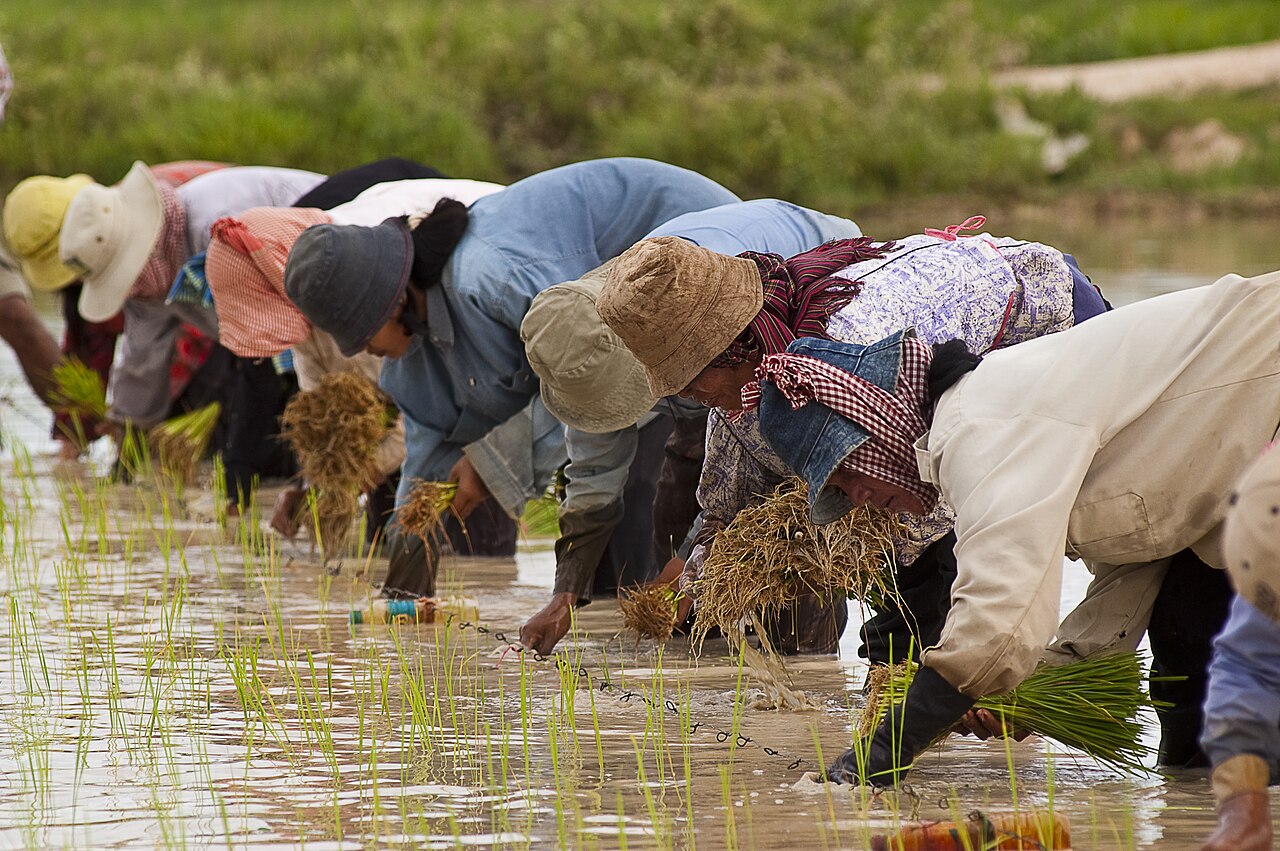
Rice cultivation ranges from intensive irrigated systems to low-input upland farming. Lowland rice is commonly grown in flooded paddies that reduce weed pressure and can facilitate nutrient management, whereas upland rice is cultivated without continuous flooding and resembles other rainfed cereal crops. Seedlings may be started in nurseries and transplanted, or fields may be direct-seeded. In tropical areas with sufficient rainfall or irrigation, farmers may produce two or more crops per year (double- or triple-cropping); in temperate zones a single annual season is usual.
Water management and soil
Water is central to many rice systems. Flooded paddies create an anaerobic soil environment that affects nutrient availability and controls weeds but also encourages the microbial production of methane. Alternate wetting and drying and improved irrigation scheduling are among the practices used to reduce water use and greenhouse gas emissions while maintaining yields. Soil fertility is managed through organic matter, manures and mineral fertilizers; crop rotations, green manures and fallow periods historically helped maintain soils where modern inputs were not available.
Harvest, processing and storage
After maturity rice is harvested by hand or machine, threshed to remove the grain from the panicle, and dried to a safe moisture content for storage. Milling removes the outer husk to produce brown rice and further polishing removes the bran and germ to make white rice; parboiling is another process that drives nutrients from the bran into the endosperm and alters cooking properties. Milling and storage conditions influence shelf life, nutritional quality and the risk of losses from pests or spoilage. Rice by-products — straw, husk and bran — have many uses including animal feed, fuel, building materials and oil extraction.
Culinary uses and regional traditions
Rice is prepared in countless ways around the world: steamed or boiled plain as an accompaniment, fried, baked, ground into flour, or transformed into porridges, pilafs, risottos and pilau. Regional specialties include paella and arroz caldoso in Spain, biryani and khichdi in South Asia, sushi and mochi in East Asia, and various porridges and congees across Asia and Africa. Rice can also be fermented and used to produce alcoholic beverages such as sake and other rice wines, and rice bran and oil are used in cooking and industry.
Nutrition and health considerations
Rice is an important source of carbohydrates and provides modest amounts of protein and some B vitamins and minerals. Brown and less-refined varieties retain more fiber, vitamins and phytochemicals than highly polished white rice. Nutritional content varies by variety and processing; in some regions rice is fortified or biofortified to improve micronutrient intake. Certain health concerns are associated with high consumption of refined rice and with contaminants: for example, rice can accumulate inorganic arsenic from soils and water, which has prompted dietary guidance and research on mitigation and varietal selection.
Pests, diseases and crop protection
Rice faces threats from insect pests, fungal and bacterial diseases, weeds and nematodes. Integrated pest management combines resistant varieties, crop rotation, biological controls, judicious pesticide use and cultural practices to reduce losses. Breeding efforts and agronomic management continuously respond to evolving pest and disease pressures to protect yields and reduce reliance on chemical controls.
Breeding, research and improvement
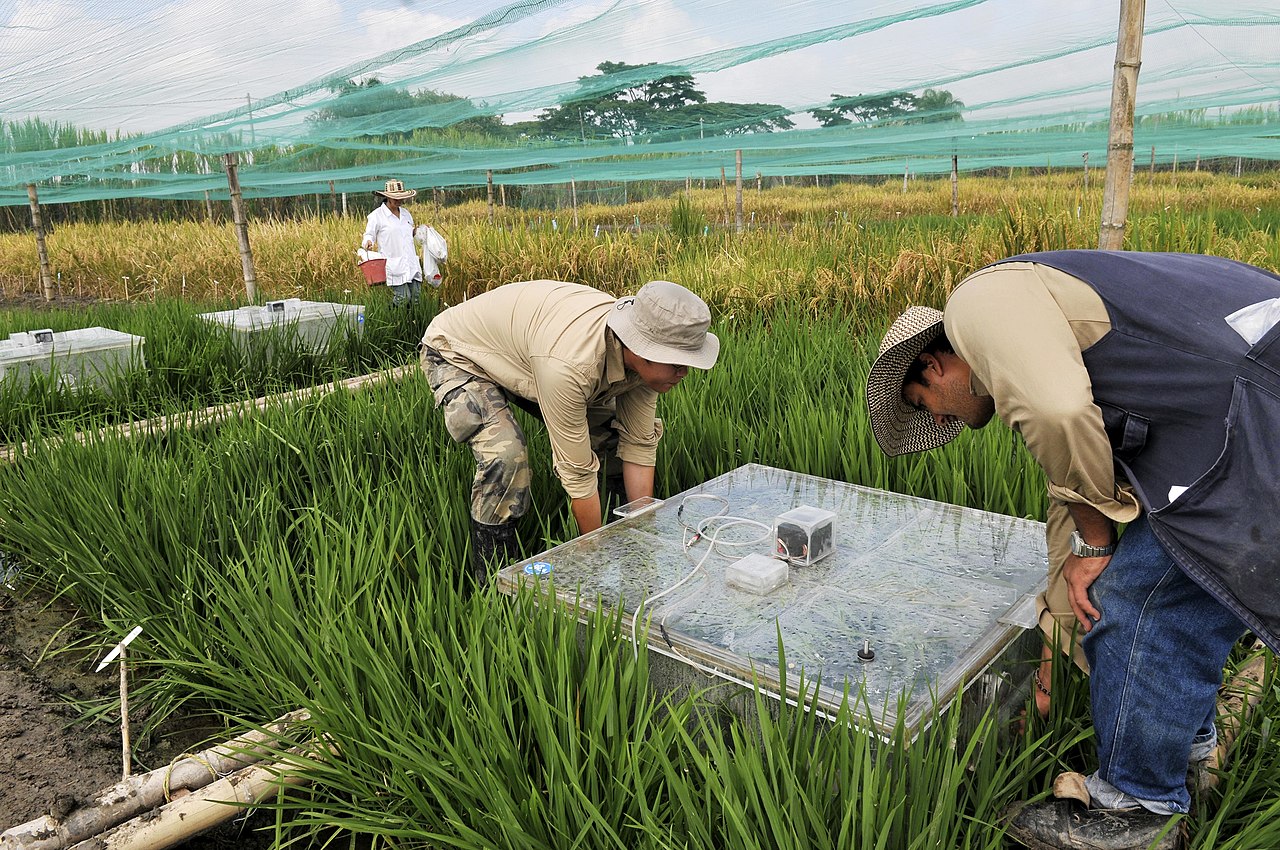
Plant breeding and agronomic research have produced varieties with higher yield potential, improved grain quality, and tolerance to stresses such as drought, salinity and flooding. Modern breeding also targets traits such as shorter growing seasons, pest and disease resistance, and improved nutrient content. Research spans conventional breeding, molecular methods, seed system development and participatory approaches with farmers to ensure new varieties meet local needs.
Environmental impacts and mitigation
Rice production has environmental footprints that include high water use in irrigated systems, methane emissions from flooded soils, nutrient runoff and occasional impacts on local biodiversity. Mitigation practices include alternate wetting and drying, improved fertilizer management, use of more efficient irrigation infrastructure, and adoption of varieties that need less water or are tolerant to stress. Landscape-level planning and policy measures also play a role in balancing production with conservation objectives.
Economy, trade and food security
Rice is a major commodity in domestic markets and international trade. It is central to food security in many countries and influences rural incomes and national agricultural policies. Market dynamics, trade policies, and production shocks (for example from extreme weather or pests) can affect prices and availability, with important consequences for consumers and producers alike. Investments in infrastructure, storage, research and extension services help stabilize supplies and support livelihoods.
History and cultural significance
Domestication of rice occurred millennia ago in parts of Asia and in West Africa, and cultivation techniques spread widely. Rice cultivation has shaped landscapes, irrigation engineering and social organisation in many regions. The grain features prominently in rituals, festivals and cuisines, often symbolizing life, prosperity and hospitality. Local traditions determine how rice is produced, prepared and served.
Future challenges
Meeting future demand for rice requires raising or stabilizing yields sustainably while reducing environmental impacts and improving resilience to climate change. Priorities include water-efficient practices, climate-resilient varieties, equitable value chains that benefit smallholders, and policies that support sustainable intensification and nutrition-sensitive production.
Further reading and links
- Rice and cereal classification
- Rice as a food source
- Wetland grasses and rice ecology
- Staple foods and global diets
- Rice in Asia: cultural context
- Rice production in Africa
- Rice cultivation in Europe
- Comparison with other major crops
- Rice and maize relations
- Global cereal markets
- Post-harvest processing of rice
- Regional rice dishes: paella and beyond
- Fats used in rice cooking
- Butters and culinary fats
- Rice in South Asian cuisines
- Curry and rice pairings
- Rice fermentation and beverages
- Japanese rice traditions
- Sake and rice wine production
- Origins of rice cultivation
- Rice history in East Asia
- Spread of rice agriculture
- Rice introduction to Europe
- Rice production case studies
- Traditional farming practices
- Fertilizers and soil management
- Equatorial cropping calendars
- Double-cropping and intensification
- Nutritional differences: brown vs white rice
Questions and answers
Q: What is rice?
A: Rice (Oryza sativa) is a type of cereal and food. It is originally a swamp grass that is eaten as a staple food in many parts of Asia.
Q: Where is rice grown?
A: Rice is mainly grown in warm parts of the world, such as Asia, Africa, northern Italy, and the west coast of North America.
Q: How much does rice account for in terms of calories eaten worldwide by humans?
A: Rice accounts for 80% of the calories eaten in Asia, or one-fifth of the calories eaten worldwide by humans.
Q: When was rice first grown?
A: Rice is believed to have been first grown in ancient southern China and India around 2500 BC.
Q: How do farmers plant rice?
A: Rice is usually planted in a flat field filled with water. Before cropping, the water is drained from the field. In some hot areas close to the equator, farmers do double-cropping which means raising two crops in one year.
Q: What are some ways that people process and eat rice?
A: Various kinds of food processing prepare rice for eating. It can be cooked alone or fried with olive oil or butter before being cooked with water or soup; it can also be served with sauce, curry, or soup; it can even be used to make alcohol such as Japanese sake rice wine.
Q: What nutrients does rice contain? A: Rice contains a lot of carbohydrates.
Related articles
Author
AlegsaOnline.com Rice: staple cereal, cultivation, varieties, uses and global significance Leandro Alegsa
URL: https://en.alegsaonline.com/art/82620
Sources
- commons.wikimedia.org : Rice
- fao.org : fao.org/faostat/en/
- fao.org : fao.org/docrep/006/y4011e/y4011e00.htm
- ricepedia.org : "History of rice cultivation - Ricepedia"
- riceassociation.org.uk : "Varieties - Rice Association"
- legroupindustries.com : "The two main types of rice: INDICA RICE and JAPONICA RICE"
- esake.com : "Sake - types of rice used in brewing japanese rice wine"
- bbc.co.uk : bbc.co.uk/news/world-asia-india-38156350