
20th Century: A Survey of Major Changes, Innovations, and Global Transformations
A concise overview of the 20th century (1901–2000): its major political events, technological and scientific advances, social changes, and lasting global impacts.
Overview
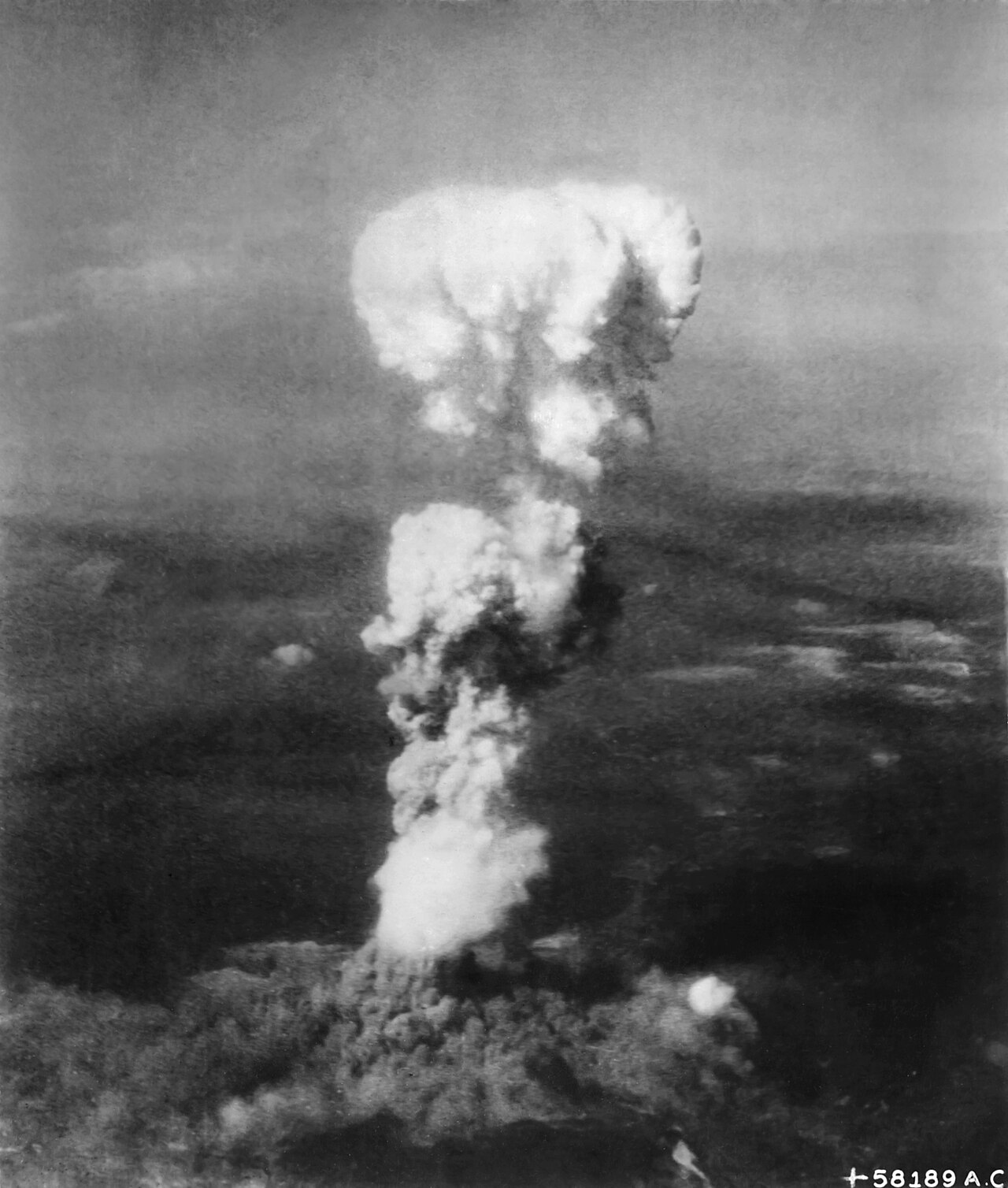
The 20th century began on January 1, 1901 and ended on December 31, 2000. It was an era of rapid and often contradictory change: unprecedented technological progress and scientific discovery, alongside wars and ideological conflicts that reshaped borders and societies. Two world wars, the long geopolitical tension known as the Cold War and the rise and fall of the Soviet Union were defining political events. These decades also saw the acceleration of industrial production, mass communication and global connections.
Image gallery
10 Images




Science, technology and industry
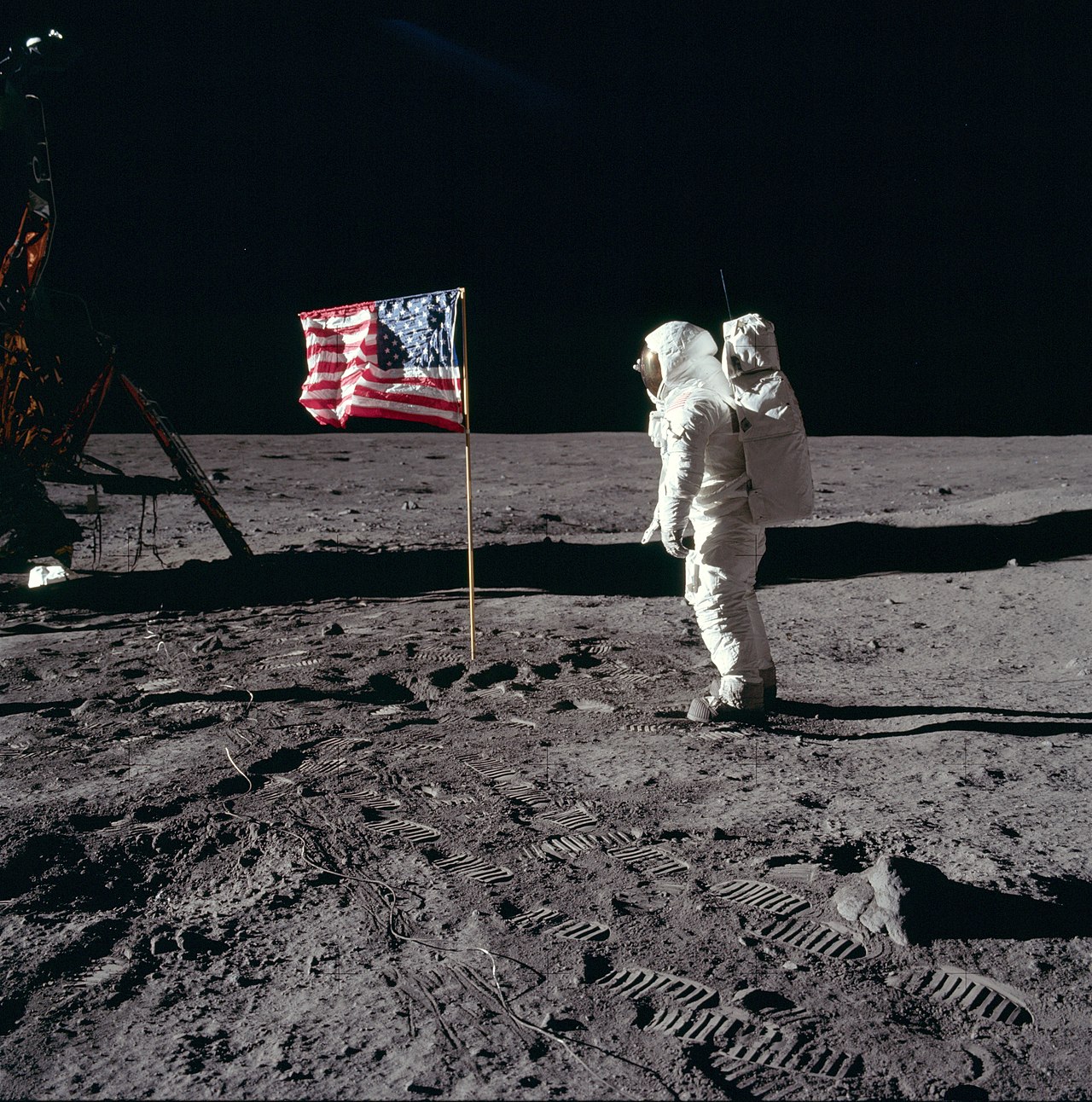
Major inventions and improvements transformed daily life and expanded human capability. The wider adoption of the telephone, the mass markets for film and television, and innovations in sound recording reshaped culture and information. Powered flight and later spaceflight altered travel and strategic reach. Breakthroughs in genetics and the identification of DNA changed biology and medicine. The development of computers and electronics created new industries and eventually the foundations of the information age.
Society, health and science
Science itself became more institutionalized and interdisciplinary, influencing industry, policy and everyday life; see science as a central driver of change. Industrial processes spread beyond early industrial centers, deepening global economic integration and urbanization with continuing effects of industrialization. Medical practice and public-health systems advanced, lowering many causes of death and extending life expectancies through improved medicine. The world also experienced dramatic demographic shifts: the human population grew faster than in prior centuries and many societies saw rapid migration to cities.
Politics, culture and environment
The century saw decolonization, the emergence of new states, social movements for civil and political rights, and major changes in gender roles and labor relations. Mass media and consumer culture spread alongside new forms of artistic expression. Economic growth coexisted with social inequality and environmental pressures that prompted early global attention to pollution, resource limits and conservation.
Notable themes and legacies
- Rapid technological diffusion: communication, transport and computing reshaped economies and daily life.
- Conflict and cooperation: world wars, the Cold War and multilateral institutions altered international order.
- Scientific revolutions: modern genetics, atomic physics and information theory changed knowledge and practice.
- Social transformation: suffrage, labor, civil-rights and decolonization movements expanded political participation.
While the 20th century is often remembered for both its extraordinary violence and its remarkable innovation, its most enduring legacy may be how quickly global connections deepened and how modern institutions—political, scientific and economic—were reshaped in response to new possibilities and challenges.
Questions and answers
Q: When did the 20th century begin and end?
A: The 20th century began on January 1, 1901 and ended on December 31, 2000.
Q: What were some significant events that occurred during the 20th century?
A: The 20th century saw two world wars, the rise and fall of the Soviet Union, the coming of the telephone, sound recording, film and television, airplanes, atomic weapons, genetics and DNA, computers and electronics in general.
Q: What major advancements in science and technology occurred during the 20th century?
A: Science and industrialization spread; medicine became more scientific. The 20th century saw advancements in genetics and DNA, as well as the invention of the first computers and electronics.
Q: How did the human population change during the 20th century?
A: The human population increased more during the 20th century than any previous one.
Q: How did medicine change during the 20th century?
A: Medicine became more scientific and saw advancements in medical technology and treatment options.
Q: What was the impact of the Soviet Union on the 20th century?
A: The Soviet Union rose to power and then fell during the 20th century, which had a significant impact on global politics and international relations.
Q: What were some transformative technological advancements that occurred during the 20th century?
A: The 20th century saw transformative technological advancements, such as sound recording, film and television, airplanes, atomic weapons, and the first computers and electronics.
Related articles
Author
AlegsaOnline.com 20th Century: A Survey of Major Changes, Innovations, and Global Transformations Leandro Alegsa
URL: https://en.alegsaonline.com/art/112699