
Nutmeg: the spice, the tree, and its uses
Nutmeg (Myristica fragrans) is an aromatic seed and spice from an evergreen tropical tree valued in cooking, perfumery, and traditional medicine; it also carries allergy and toxicity risks at high doses.
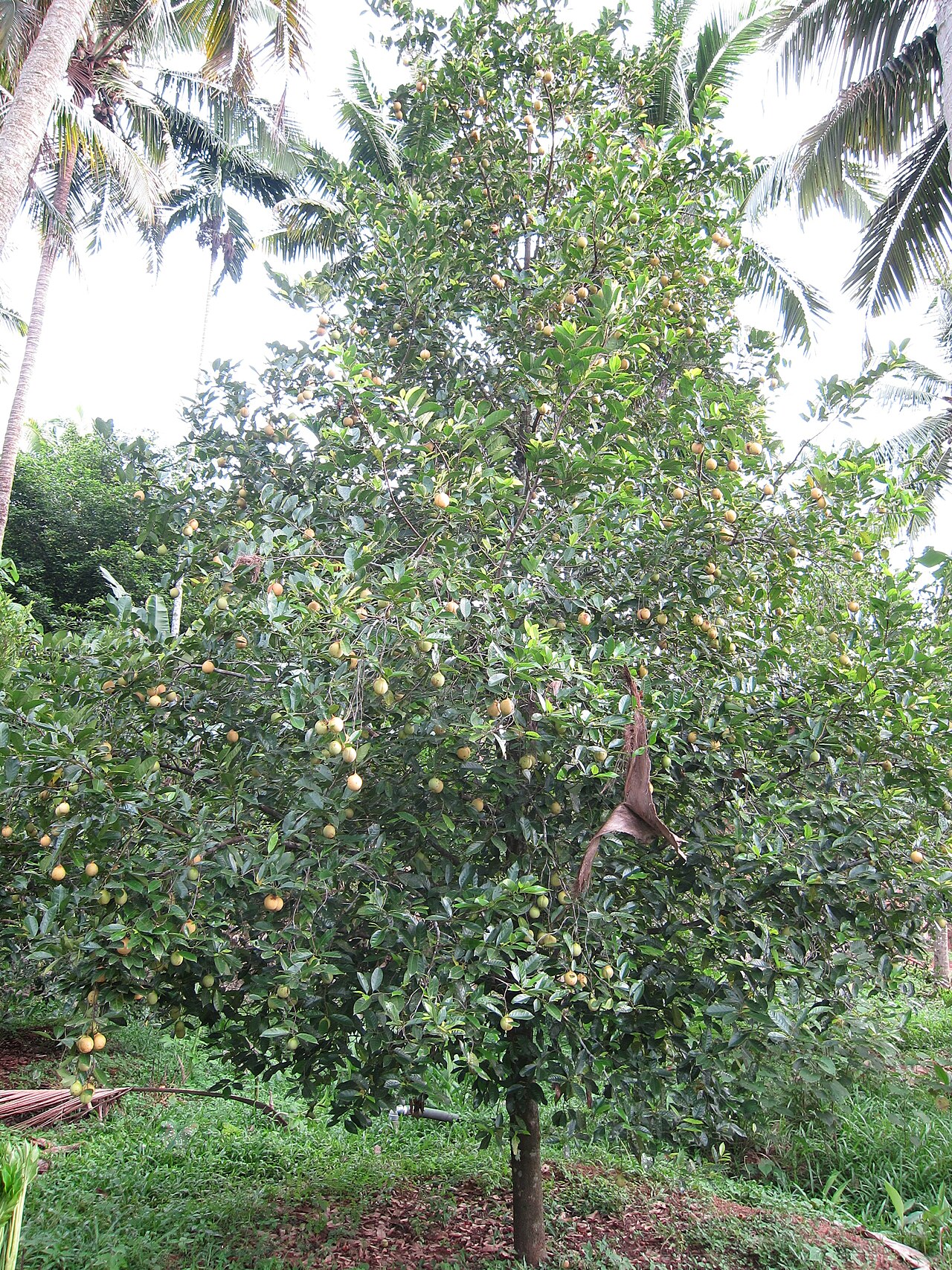
Nutmeg is the aromatic seed of the evergreen tree Myristica fragrans, a member of the genus Myristica. The plant is cultivated for two distinct spices produced from the same fruit: the hard kernel known as nutmeg and the red lacelike covering called mace. It grows on a tropical tree often described as an evergreen tree in regions of Southeast Asia and parts of Australia.
Image gallery
10 Images



Characteristics and parts
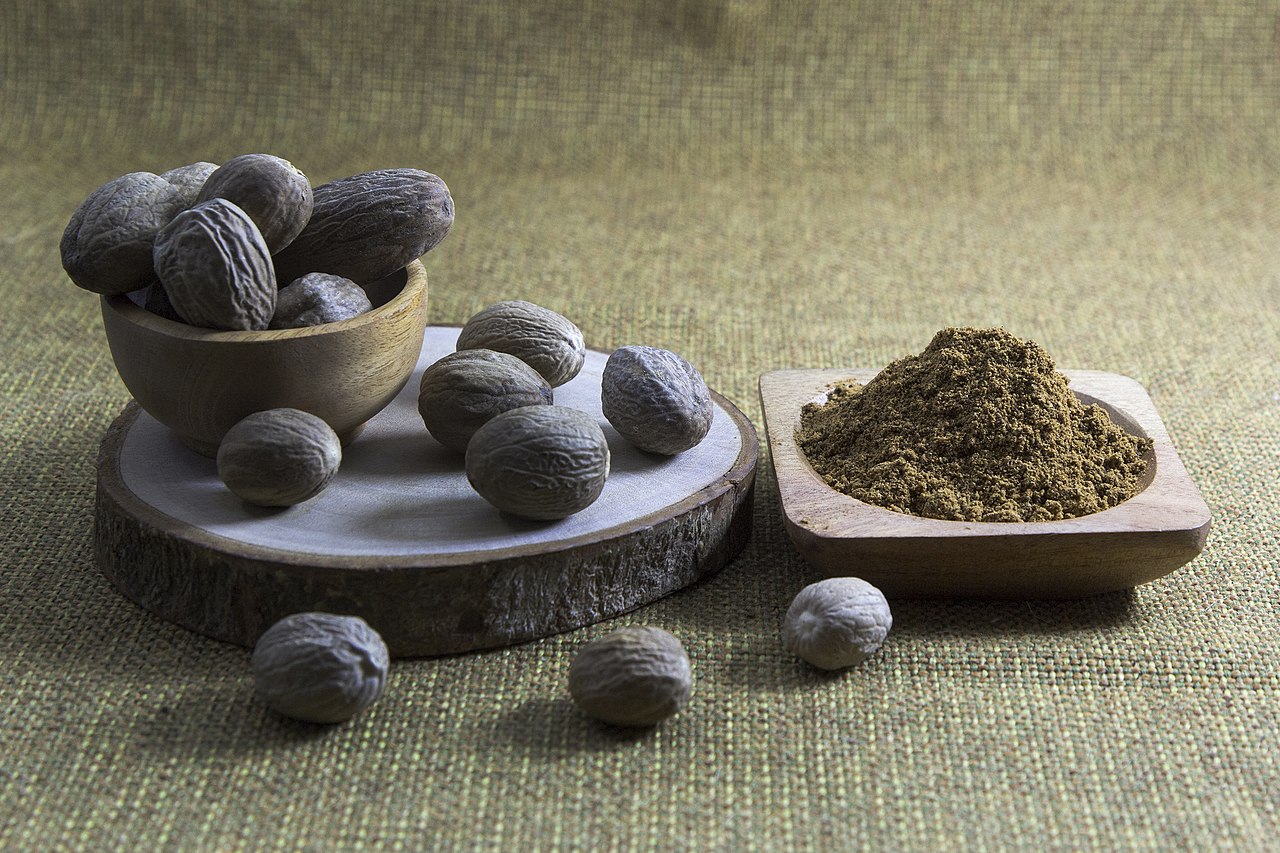
The fruit yields a fleshy drupe that splits at maturity to reveal a single seed wrapped in a bright aril. The seed is dried and sold whole or ground as the spice nutmeg; the aril is dried separately and sold as mace. Both contain essential oils and aromatic compounds; one notable constituent is myristicin, which contributes to the scent and flavor profile.
Common features:
- Seed: brown, hard kernel used as ground or whole spice.
- Aril (mace): thinner, red when fresh, aromatic when dried.
- Essential oil: extracted for flavoring and perfumery.
History and cultivation
Nutmeg has a long history as a valued trade spice. Native cultivation in island groups of the tropics made it a sought commodity in early global commerce and colonial rivalries. Today it is grown in several tropical regions where climate and soil suit the evergreen tree, and commercial production supplies both culinary and industrial markets.
Uses, precautions and examples
In cooking, nutmeg is used sparingly to season sweet and savory dishes, baked goods, sauces and beverages. Mace offers a related but lighter flavor and is used in similar recipes. Extracts and essential oils find use in perfumery, soaps and some traditional remedies. Although widely used, nutmeg should be consumed in moderation: concentrated doses can produce unpleasant and potentially harmful effects. Nutmeg powder can also cause allergic reactions in sensitive people.
- Culinary: grated over desserts, added to spice blends.
- Industrial: oils for fragrance and flavoring.
- Safety: avoid large single doses; be aware of allergies and interactions.
Distinctions and notable facts
Nutmeg and mace are unique among spices in coming from different parts of the same fruit. Ground nutmeg loses aroma faster than whole seeds, so whole nutmegs are preferred for longer storage. Because of its rich history and potent aroma, nutmeg has influenced cuisine, trade and culture across many regions.
For botanical details see the genus entry Myristica, for tree descriptions consult resources on tropical tree species, and for cultivation notes look into regional guides for Southeast Asian and Australian plantings. For health-related information about sensitivities search materials on allergic reactions.
Related articles
Author
AlegsaOnline.com Nutmeg: the spice, the tree, and its uses Leandro Alegsa
URL: https://en.alegsaonline.com/art/71507